Leave Your Message
-
Phone
-
E-mail
-
Whatsapp

-
Whatsapp

As more and more folks look for eco-friendly packaging options, the food pack box industry is really going through some big changes. According to a report from Grand View Research, the worldwide food packaging market is expected to hit around $500 billion by 2025. This surge is mainly thanks to consumers wanting convenience and greener choices when it comes to their food. In this ever-shifting scene, picking the right food pack box isn’t just about keeping your business on top; it’s also about satisfying what nowadays customers are really after.
John Smith, the founder of EcoPack Solutions and an industry veteran, stresses how crucial it is to choose the right packaging: “Getting the right pack can really make your product stand out and also keep food safe,” he says. With so many options out there—different materials, sizes, and styles—it’s super important to really understand what you need. That way, you can find a solution that checks all the boxes—functionality, sustainability, and everything in between. This article will walk you through what to think about when selecting a food pack box that works for your business and helps you stay eco-friendly.
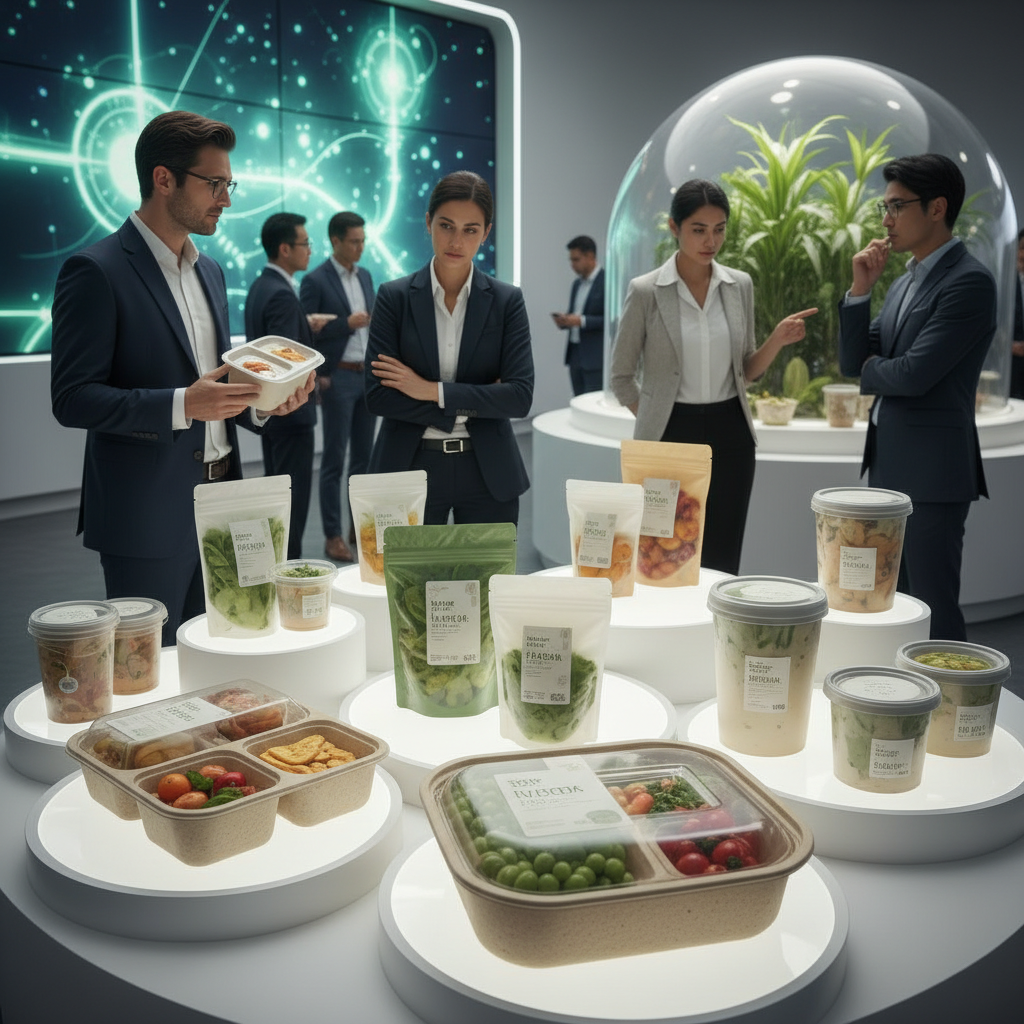
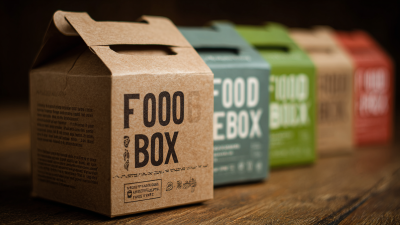
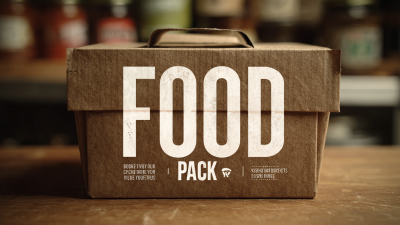
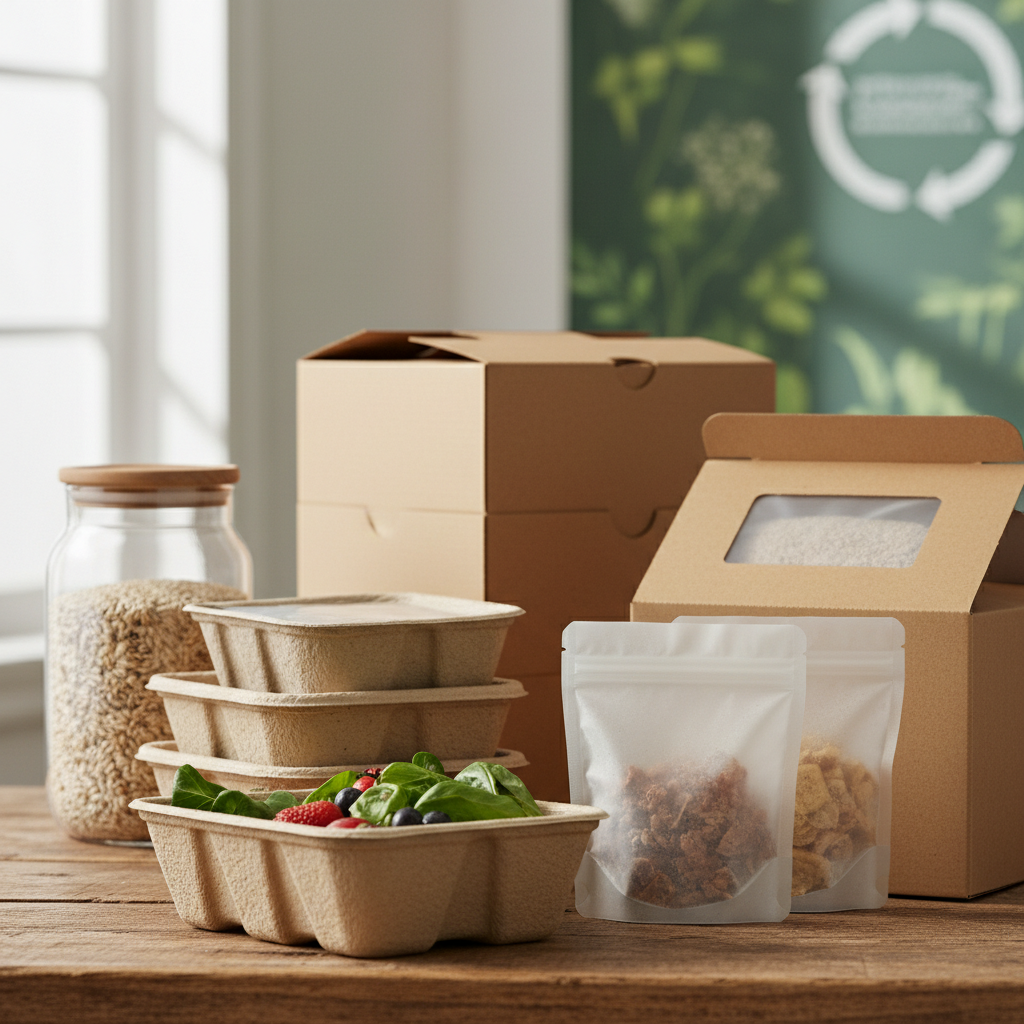
When selecting the best food pack box for your needs, several essential factors should be considered to ensure it meets your requirements effectively. First and foremost, the material of the box plays a crucial role; options like cardboard, plastic, or biodegradable materials each have distinct advantages. Cardboard is lightweight and customizable, making it ideal for dry foods, while plastic offers durability and moisture resistance, which is perfect for perishable items. Biodegradable materials provide an eco-friendly option that appeals to environmentally conscious consumers, but they might lack the same strength as traditional materials.
Additionally, the size and design of the food pack box cannot be overlooked. It’s important to choose a size that adequately accommodates the volume of food you intend to pack without wasting space. Custom designs can enhance usability and visual appeal, particularly for retail settings. Consider features such as sealing mechanisms, handles, and compartments that cater to the specific type of food being packaged. Taking the time to evaluate these factors ensures that you select a food pack box that is not only functional but also aligns with your branding and sustainability goals.
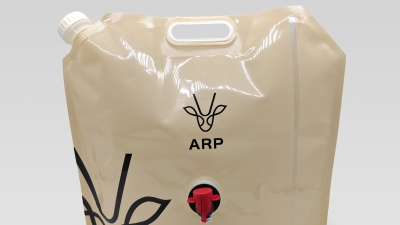
The Huadi Custom Bag-in-Box Super Pouch is revolutionizing the way we approach outdoor adventures, particularly for camping and climbing enthusiasts. With a spacious design capable of accommodating up to 10 liters, this pouch offers significant storage space for all your essentials. Whether you are packing water bottles, snacks, tools, or climbing gear, its ample capacity ensures you can bring everything you need to enhance your outdoor experience.
In addition to its generous space, the lightweight and portable nature of the Huadi Super Pouch makes it a must-have for any adventurer. Designed for easy transport, it can be effortlessly folded when not in use, allowing for hassle-free packing in your backpack. Multiple compartments and pockets help keep your items organized, ensuring you can swiftly access whatever you need, whether it’s your map, first-aid kit, or an extra layer of clothing. This feature alone makes it invaluable on the trails or during climbing expeditions, where every second counts.
Choosing the Huadi Custom Bag-in-Box Super Pouch means investing in reliability and convenience. Its robust design is tailored for the rigors of the wilderness, equipping outdoor lovers with the confidence to tackle any challenge. Perfect for various outdoor activities, the Huadi pouch is an essential addition to your gear, ensuring you're always prepared for your next great adventure.
: Consider factors such as durability, insulation, size, and sustainability. Look for boxes that cater to your specific needs, whether for meal prep, catering, or eco-friendly options.
Some boxes are designed specifically to maintain the right temperature during transport, ensuring food stays fresh. Look for products that highlight their thermal retention qualities.
Cost-effectiveness is crucial as it balances quality and price. Investing in higher-quality materials may save money over time by reducing food spoilage and enhancing preservation.
Assess the materials used, consider size and design for waste minimization, and compare bulk purchase options to single units for potential savings.
Key trends include the use of biodegradable materials, compostable packaging, and the adoption of reusable packaging systems with deposit-return schemes to reduce waste.
With a growing number of environmentally conscious consumers, brands that adopt sustainable practices can enhance their market competitiveness and brand loyalty while adhering to regulatory requirements.
Quality packaging can improve food preservation, enhance customer satisfaction, and build a positive brand reputation, ultimately leading to better long-term success.
Understanding consumer preferences for eco-friendly and efficient packaging can guide brands in choosing products that align with these values, influencing purchasing decisions.
Yes, materials can vary widely, with eco-friendly options often made from recycled or biodegradable substances proving popular for sustainability-focused consumers.
Reusable packaging systems reduce single-use plastics and landfill waste, while also engaging customers in sustainable practices through initiatives like deposit-return schemes.
Choosing the right Food Pack Box is essential for ensuring the safety and quality of stored food products, and it involves several key factors. In 2025, consumers should consider material quality, which directly impacts durability and safety, alongside innovative design features that enhance food storage and transportation. A comparative review of the top ten Food Pack Boxes highlights various options that balance quality and cost-effectiveness, allowing businesses to make informed decisions. Moreover, sustainability trends are increasingly influencing packaging choices, emphasizing the need for environmentally friendly solutions that align with modern consumer values.
At Dongguan Huadi Packaging Products Co., Ltd., we understand the unique requirements of different industries. Established in 2003, we are committed to providing high-quality Food Pack Boxes that not only meet diverse needs but also adhere to the latest sustainability practices. Our focus on quality and innovation ensures that our packaging solutions contribute positively to both business operations and environmental responsibilities.