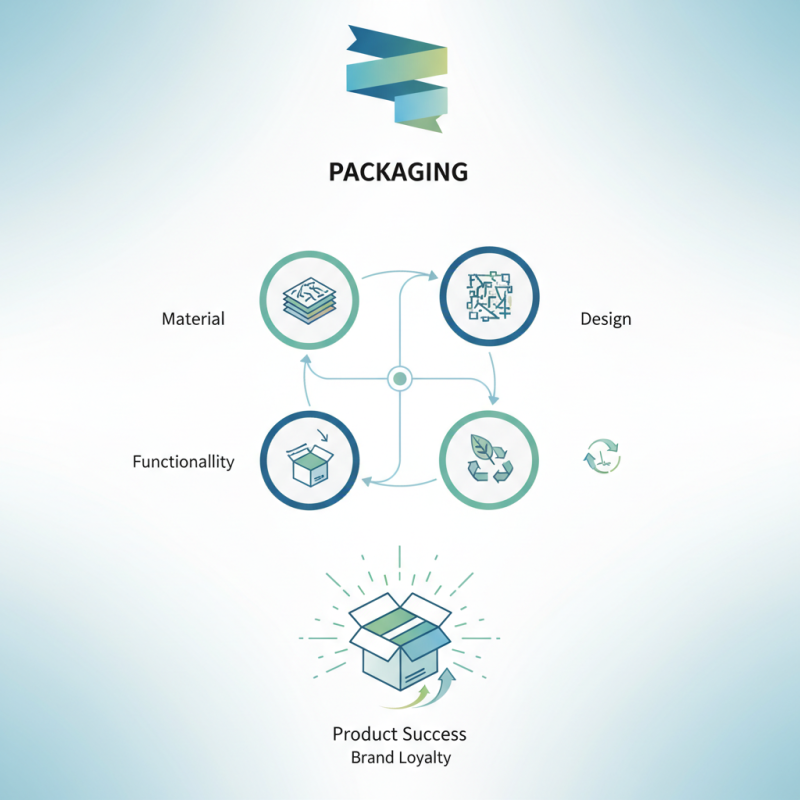
In today’s super competitive market, you really can't underestimate how important good print packaging is. As brands look for ways to make their products stand out and leave a memorable impression on customers, packaging choices play a huge role in their marketing game. High-quality print packaging isn’t just about protecting products during shipping — it’s also a powerful way to tell your brand’s story, share your values, and connect with people. Seriously, picking the right packaging can make all the difference when it comes to your product’s success.
When you're choosing your print packaging, there are a few key things to keep in mind: the material, design, how practical it is, and whether it’s eco-friendly. The right material keeps your products safe and looking good, while a cool, eye-catching design helps grab attention on retail shelves. And let’s not forget about how easy it is for customers to use — packaging should be user-friendly. Plus, today’s consumers are leaning more toward eco-conscious choices, so sustainable materials are increasingly important. By considering these factors, you can make smarter decisions that not only attract customers but also reflect your brand’s core values.
All in all, good packaging doesn’t just make your product look better — it can build loyalty, boost sales, and elevate your brand. So, knowing how to choose the right print packaging is pretty much essential if you want your business to really thrive in this fast-moving marketplace.
Understanding the Importance of Print Packaging in Product Presentation
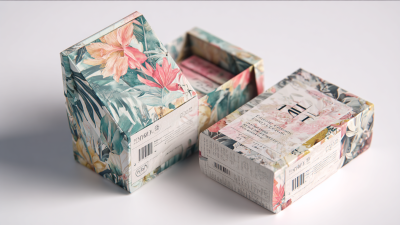
Print packaging plays a crucial role in the presentation of products, serving as the first point of contact between the consumer and the brand. Effective packaging not only protects the product but also communicates its values and aesthetic. The visual appeal of print packaging can significantly influence consumer perception, creating an expectation of quality and care that extends beyond the product itself. Colors, typography, and imagery work together to convey a story, making packaging an essential element of the overall marketing strategy.
Moreover, the importance of print packaging lies in its ability to enhance brand recognition and differentiation. In a competitive market, standing out is vital; well-designed packaging can capture attention on crowded shelves and convey unique brand identity. It provides an opportunity to showcase sustainability efforts, craftsmanship, and the overall experience one might expect from the product.
Print packaging, therefore, serves not just as a container, but as a critical communicator, ensuring that potential customers understand what the brand represents and why they should choose it over competitors.
Analyzing Different Types of Print Packaging Materials and Their Uses
When selecting print packaging for products, understanding the different types of materials available is crucial to ensuring product integrity and brand appeal. According to a 2022 report by Smithers Pira, the global market for printed packaging is expected to reach $480 billion by 2025, underscoring the importance of material choice in maximizing both functionality and consumer engagement. Common materials include corrugated cardboard, paperboard, and flexible packaging, each offering distinct advantages depending on the product's nature and distribution requirements.
Corrugated cardboard, known for its durability and protective qualities, is often favored for shipping and handling heavier items. It provides excellent cushioning, with studies indicating that over 70% of retailers prefer this material for its recyclability and ability to reduce breakage during transit. On the other hand, paperboard is ideal for lightweight products and luxury items, as it allows for vibrant printing techniques while being eco-friendly. Flexible packaging, including stand-up pouches and films, has seen a significant rise, with a 15% annual growth rate reported by Grand View Research, driven by its convenience and ability to extend shelf life. Understanding these materials allows businesses to select the ideal print packaging that aligns with both their product characteristics and sustainability goals.
Print Packaging Material Comparison
Evaluating the Cost-Effectiveness of Custom vs Standard Packaging Options
When evaluating packaging options for your products, cost-effectiveness is a crucial factor that cannot be overlooked.
Custom packaging offers a unique way to present your product, enhancing brand identity and customer experience. However, it often comes with higher design, production, and material costs.
Before committing to custom packaging, it’s essential to conduct a thorough cost analysis to determine if the benefits, such as increased brand recognition and customer loyalty, justify the investment.
On the other hand, standard packaging options can significantly reduce expenses while still meeting basic functional and aesthetic needs. These pre-made solutions are generally more affordable due to mass production and lower material costs.
By opting for standard packaging, businesses can allocate resources to other areas like marketing or product development. Therefore, it’s vital to assess your product's requirements, target market, and overall business strategy when deciding between custom and standard packaging.
Balancing quality presentation with budget constraints will ultimately lead to the most effective choice for your brand.
Identifying Key Design Elements for Effective Print Packaging Solutions
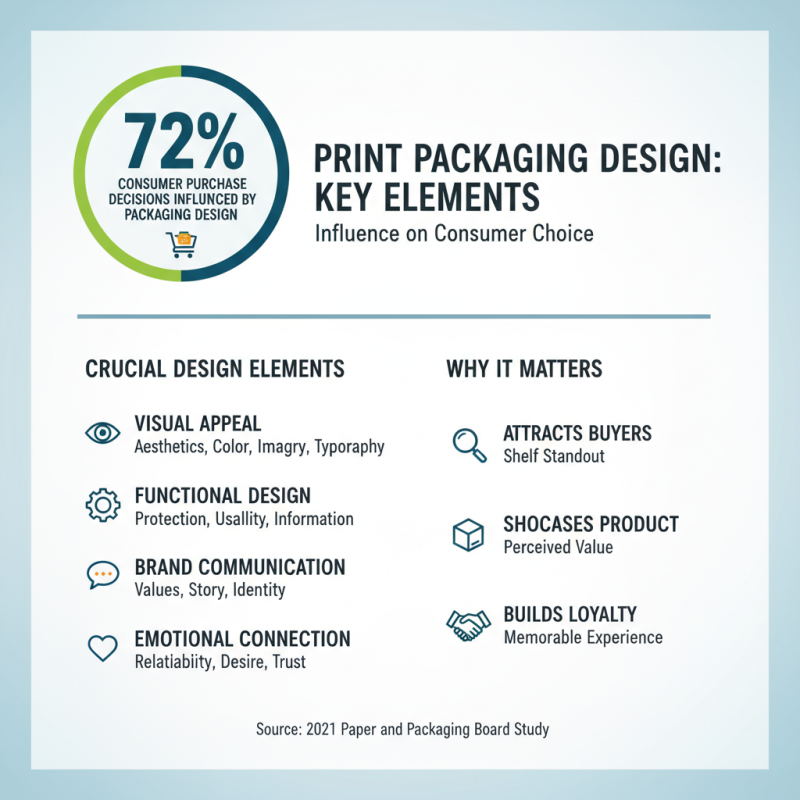
When selecting print packaging for products, understanding the key design elements is crucial for creating effective solutions that resonate with consumers. According to a 2021 study by the Paper and Packaging Board, approximately 72% of consumers believe that packaging design influences their purchasing decisions. This statistic highlights the importance of visual appeal and functional design in attracting buyers. Effective packaging must not only showcase the product but also communicate the brand's values and create an emotional connection with the consumer.
One fundamental design element to consider is the color scheme. Research published in the journal "Food Quality and Preference" indicates that color can account for 85% of a consumer's reaction to a product. Thus, selecting the right colors that align with the brand identity and evoke the desired emotional response is vital. Additionally, incorporating informative graphics and clear typography can enhance usability and convey essential information about the product, which is particularly important in food and cosmetic industries, where regulations mandate specific labeling.
Lastly, sustainability is becoming an increasingly influential factor in packaging design. A 2022 report from Smithers revealed that over 60% of consumers are inclined to purchase products with eco-friendly packaging options. This trend underscores the need for businesses to incorporate sustainable materials and practices in their print packaging solutions while ensuring that design elements still resonate with the target audience. Balancing aesthetic appeal with functionality and sustainability is key to creating effective print packaging that meets modern consumer demands.
Exploring the Role of Sustainability in Modern Print Packaging Choices
Sustainability has become a crucial factor in the selection of print packaging for products, influencing both consumer behavior and manufacturing practices. As awareness of environmental issues grows, consumers increasingly prefer brands that prioritize eco-friendly packaging options. This shift has compelled companies to adopt materials that are either recyclable, biodegradable, or sourced from renewable resources. By integrating sustainable practices in their packaging choices, businesses not only enhance their brand image but also contribute to a healthier planet.
Moreover, the innovation in sustainable print packaging goes beyond just the materials used. It encompasses the entire lifecycle of the packaging, from production methods to end-of-life disposal. Companies are exploring water-based inks, minimalistic designs, and eco-conscious printing processes that reduce waste and energy consumption. These efforts not only align with consumer demands for responsible purchasing but also create economic benefits through reduced costs and increased efficiency. The commitment to sustainability in print packaging signifies a progressive approach that appeals to environmentally conscious consumers, setting brands apart in a competitive market.
Utilizing Consumer Behavior Data to Inform Packaging Decisions
When deciding on the print packaging for your products, leveraging consumer behavior data is crucial. Understanding what drives your target audience can guide your packaging choices, ensuring they resonate with consumers on a deeper level. Analyze customer preferences, purchasing patterns, and feedback to inform your design and material selections. This data will help you create packaging that not only attracts attention but also fosters brand loyalty.
Tips for using consumer behavior data effectively include conducting surveys to gather insights about customer preferences. This approach allows you to identify color schemes, designs, and materials that appeal to your target market. Additionally, analyzing online shopping trends can reveal which packaging styles are most sought after, enabling you to stay ahead of the competition. Finally, keep an eye on social media channels where consumers often share their packaging experiences, as this feedback can provide invaluable information for future packaging decisions.
By integrating consumer behavior data into your print packaging strategy, you create a strong connection between your products and your consumers. The right packaging not only protects your items but also serves as a vital touchpoint for your brand. Embrace the insights offered by your audience to elevate your packaging game and drive sales.
Assessing Regulatory Compliance and Safety Standards in Packaging Design
When selecting print packaging for your products, ensuring compliance with regulatory standards and safety requirements is paramount. Understanding the relevant regulations is the first step in the packaging design process. These regulations can vary significantly depending on the product type, material, and geographic market. It is crucial to research and identify applicable laws to avoid potential legal complications and liabilities. This includes considerations such as labeling requirements, material safety data, and environmental regulations.
Additionally, safety standards are essential in protecting the consumer and upholding the integrity of your brand. This involves selecting materials that do not pose health risks and ensure robustness during transportation and shelf life. Testing for chemical safety, edge safety, and other physical property requirements can also help in assessing the suitability of your chosen packaging. By prioritizing regulatory compliance and safety in your packaging design, you not only enhance your product's marketability but also build trust with consumers who increasingly value safety and transparency.
Enhancing Liquid Packaging Efficiency: Insights from Industry Reports on Customized 3-Liter Butterfly Valve Suction Nozzle Bags for Drinking Water
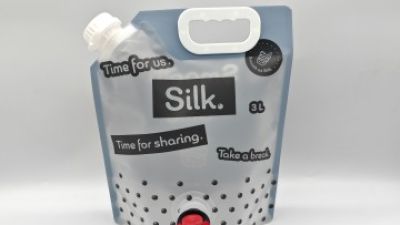
In an era where convenience and efficiency reign supreme, the introduction of the 3-Liter Food-Grade Butterfly Valve Suction Nozzle Bag marks a significant advancement in liquid packaging, particularly for drinking water. This innovative solution merges a robust storage capacity with a specially designed leak-proof butterfly valve that caters to both everyday users and adventurers. The bag's design ensures that users can transport water without the fear of spills, allowing for a seamless hydration experience whether at home, during outdoor activities, or on the go.
Engineered for practicality, this portable water solution is perfect for picnics, camping trips, and daily commutes alike. The sleek, lightweight construction makes it easy to carry, while the custom suction nozzle provides effortless access to fresh drinking water. Users can hydrate swiftly, making it an ideal choice not just for individual hydration needs, but also for sharing with family and friends. As more people seek effective ways to stay hydrated in their active lifestyles, this cutting-edge product meets the demand for both durability and functionality in liquid packaging.
FAQS
: Print packaging serves as the first point of contact between the consumer and the brand, protecting the product and communicating its values and aesthetic, which can significantly influence consumer perception.
According to research, about 72% of consumers believe that packaging design influences their purchasing decisions, highlighting the role of visual appeal and functional design in attracting buyers.
Color can account for 85% of a consumer's reaction to a product, making it essential to choose colors that align with brand identity and evoke the desired emotional response.
Effective packaging can showcase sustainability efforts, craftsmanship, and the overall experience expected from the product, serving as a critical communicator of the brand's identity.
Over 60% of consumers are inclined to purchase products with eco-friendly packaging, making it vital for businesses to incorporate sustainable materials and practices in their print packaging solutions.
By analyzing customer preferences, purchasing patterns, and feedback through surveys and online shopping trends, businesses can create packaging that resonates with consumers and fosters brand loyalty.
Key design elements include color scheme, informative graphics, clear typography, and the overall balance of aesthetic appeal, functionality, and sustainability to meet modern consumer demands.
Consumers often share their packaging experiences on social media, providing invaluable insights that can inform future packaging decisions and help businesses stay competitive.
Conclusion
Effective print packaging plays a crucial role in product presentation, influencing consumer perception and purchasing decisions. By understanding the various types of print packaging materials and their specific uses, businesses can tailor their packaging to meet both functional and aesthetic requirements. Custom packaging may offer unique benefits but often comes at a higher cost compared to standard options. Therefore, evaluating cost-effectiveness is essential in order to strike a balance between quality and affordability.
Additionally, key design elements such as brand messaging, graphics, and overall layout are vital for creating impactful print packaging solutions. In today's market, sustainability has become increasingly important, prompting brands to consider eco-friendly packaging choices. Utilizing consumer behavior data can further refine packaging decisions, ensuring they resonate with target audiences while adhering to regulatory compliance and safety standards. Ultimately, a strategic approach to print packaging can enhance product visibility and foster brand loyalty.