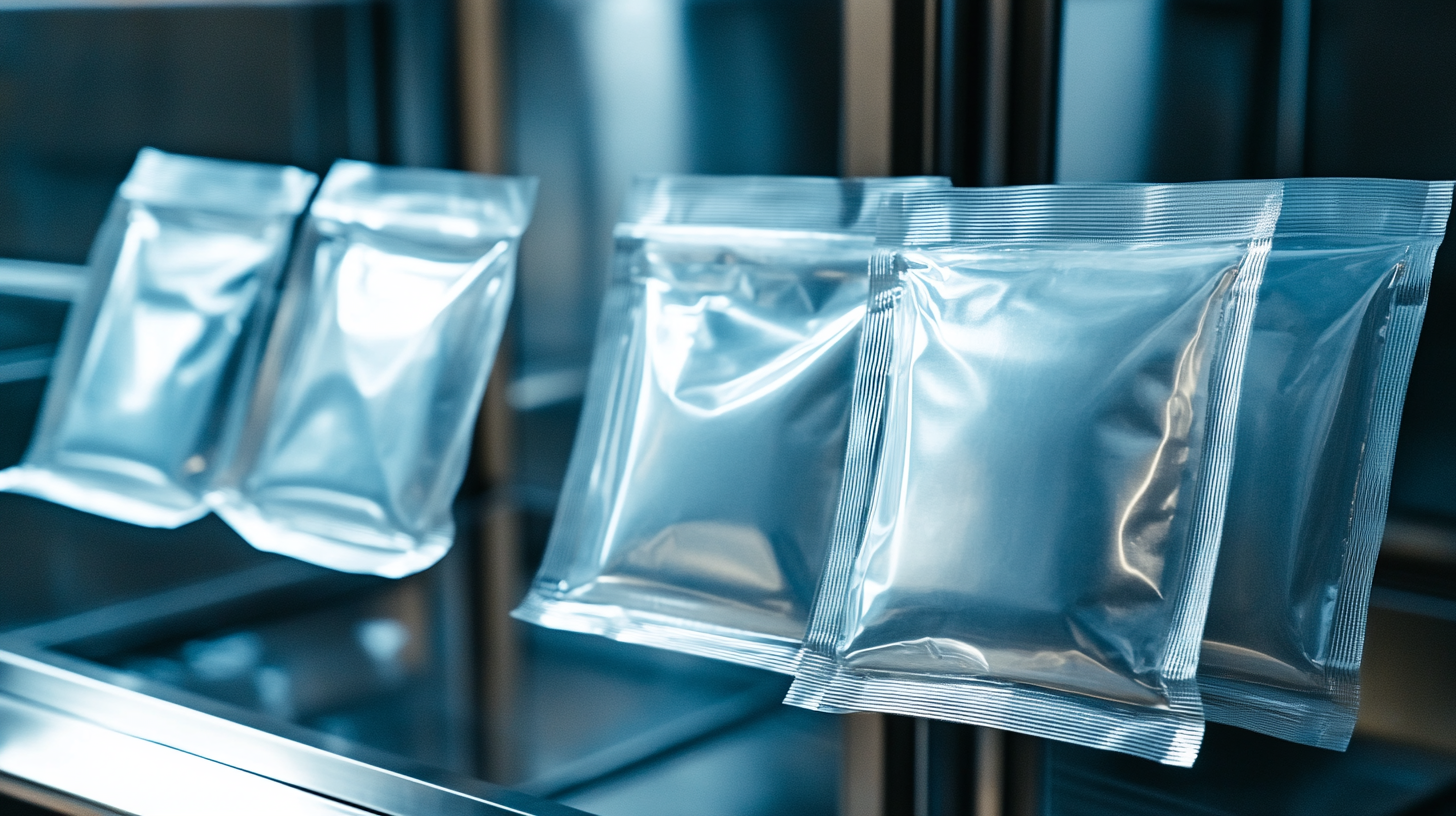
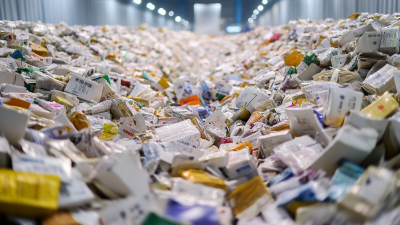
In today's competitive market, selecting the right packaging solution is crucial for ensuring product protection and enhancing shelf life.
Barrier Pouches have emerged as a vital component in preserving the integrity of various products,
particularly in industries such as food, pharmaceuticals, and electronics.
According to recent industry data, the global flexible plastic packaging market is projected to reach
USD 289.9 billion by 2025, driven by the rising demand for sustainable and protective packaging options.
Dongguan Huadi Packaging Products Co., Ltd., established in 2003, specializes in high-quality packaging solutions tailored to meet the diverse needs of different sectors.
Understanding the importance of Barrier Pouches will enable businesses to make informed decisions that not only protect their products but also align with market trends and consumer expectations.
Understanding the Importance of Barrier Pouches in Product Protection
Barrier pouches play a crucial role in ensuring product protection across various industries, from food and pharmaceuticals to electronics. Their primary function is to create a shield against environmental factors such as moisture, oxygen, and light, which can significantly degrade product quality. According to a report by Smithers Pira, the global market for barrier packaging is projected to reach $48 billion by 2025, driven by the increasing demand for longer shelf life and enhanced product integrity. This underscores the importance of selecting the right barrier pouch to meet specific product needs.
The effectiveness of barrier pouches is often determined by their material composition and structure. For instance, multi-layer films can provide superior protection compared to single-layer options. A study published in the Journal of Packaging Technology and Research highlights that pouches with advanced barrier properties can reduce oxygen transmission rates by up to 90%, significantly prolonging the freshness of perishable goods. With the expected rise in e-commerce and the need for robust protective solutions, businesses must carefully evaluate barrier pouch options to ensure optimal protection for their products and maximize shelf life.
Key Technical Specifications to Consider for Barrier Pouches
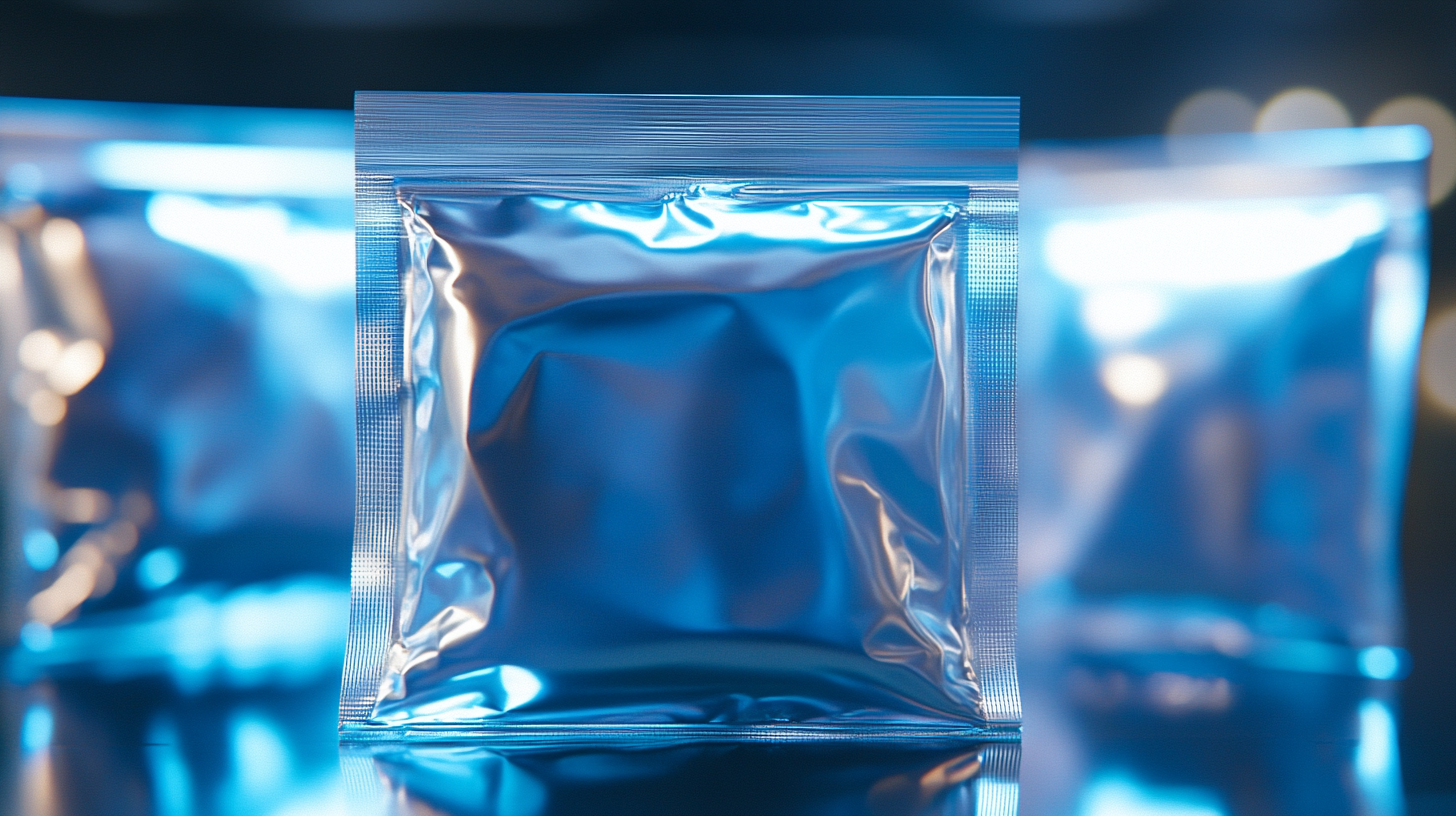
When selecting the best barrier pouches for product protection, it’s essential to consider several key technical specifications. Primary among these is the material used in the pouch. High-barrier films, typically composed of multi-layer structures such as polyethylene (PE) and nylon or aluminum, offer superior protection against moisture, oxygen, and light. According to a recent industry report by Smithers Pira, products packaged in high-barrier pouches see a 20% longer shelf life compared to those in standard packaging, making them a critical choice for preserving the integrity of sensitive items.
Another vital specification is the thickness of the pouch. Thicker materials generally provide better protection, but they can also increase weight and costs. For instance, a study from the Flexible Packaging Association noted that using a 3-mil (0.003 inches) barrier film can enhance product protection while keeping weight manageable. Additionally, consider the sealing technology; a pouch with a strong, hermetic seal can significantly reduce the risk of contamination and spoilage.
Tip: Always request samples of barrier pouches and assess their performance in real-world conditions before finalizing your choice.
Tip: Pay attention to the specific needs of your product. Consider factors like temperature sensitivity and exposure to chemicals when choosing the right type of barrier pouch.
Top 5 Types of Barrier Pouches for Various Products
When it comes to product protection, choosing the right barrier pouch can greatly influence the quality and longevity of your goods. Among the top types of barrier pouches, vacuum pouches stand out for their ability to remove air and moisture, making them ideal for food storage and medical products. According to a report by Technavio, the global vacuum packaging market is expected to reach USD 32.4 billion by 2025, driven by increased demand for convenient and safe food packaging.
Another popular option is aluminum foil pouches. These provide an excellent barrier against moisture, light, and oxygen, making them suitable for pharmaceuticals and high-value goods. A study by Smithers Pira indicates that the use of foil laminates in the packaging industry will grow significantly, as they offer superior protection compared to traditional plastics, improving shelf life and maintaining product integrity.
Additionally, biodegradable barrier pouches have gained traction due to the rising demand for sustainable packaging solutions. As per the latest report by MarketsandMarkets, the global biodegradable packaging market size is projected to reach USD 20 billion by 2025. This trend reflects an increasing consumer awareness of environmental issues, pushing businesses to consider eco-friendly options that still provide the necessary protection for their products.

How to Match Barrier Pouch Features to Your Specific Protection Needs
When selecting barrier pouches, understanding your specific protection needs is crucial. Different products require varying levels of protection from environmental factors such as moisture, oxygen, and light. For instance, if you're packaging food items, you'll need pouches with excellent moisture barriers to prevent spoilage. On the other hand, for pharmaceutical products, oxygen barriers are essential to maintain efficacy and shelf life. Assessing the unique vulnerabilities of your product will guide you in matching the right features in barrier pouches.
Next, consider the material composition of the barrier pouches. Multi-layer constructions often provide superior protection by combining different materials to exploit their strengths. For example, a combination of aluminum foil with polyethylene can create an effective shield against both moisture and light, extending the longevity of sensitive materials. Furthermore, evaluate seal integrity and puncture resistance, as these factors contribute significantly to the pouch's durability during storage and transportation. By carefully aligning the characteristics of barrier pouches with your product's specific protection requirements, you can ensure optimal safeguarding and enhance overall quality.
Cost vs. Quality: Finding the Right Balance in Barrier Pouch Selection
When selecting barrier pouches for your product protection needs, the balance between cost and quality is critical. It's tempting to opt for the least expensive option, especially when tight budgets are a concern. However, sacrificing quality can lead to compromised product safety and reduced shelf life. To strike the right balance, assess the specific requirements of your products. Consider factors like moisture sensitivity, oxygen exposure, and the potential for contamination. Investing in high-quality barrier materials can ultimately save costs by minimizing spoilage and product loss.
Conversely, it’s important to understand where you can find cost-effective solutions without compromising essential quality. Look for suppliers that offer competitive pricing while maintaining rigorous quality standards. Evaluate the durability and performance of their barrier pouches through product testing or case studies. By comparing different options, you can identify pouches that fulfill your needs without breaking the bank. Finding the right balance will ensure that your products are well-protected and that you maintain a healthy bottom line.
How to Choose the Best Barrier Pouches for Your Product Protection Needs - Cost vs. Quality: Finding the Right Balance in Barrier Pouch Selection
| Barrier Pouch Type |
Material |
Cost per Unit ($) |
Moisture Barrier (g/100in²/24h) |
Oxygen Barrier (cc/m²/24h) |
Tensile Strength (psi) |
| Standard Polyethylene |
PE |
0.10 |
30 |
200 |
3000 |
| High Barrier Film |
PET/AL/PE |
0.30 |
0.5 |
0.1 |
6000 |
| Metalized Film |
PET-Metal |
0.25 |
3 |
0.3 |
5000 |
| Foil Pouches |
Aluminum Foil |
0.40 |
0.02 |
0.01 |
7000 |
| Biodegradable Pouches |
PLA |
0.35 |
10 |
5 |
4000 |
Real-Life Use Cases: Successful Applications of Barrier Pouches
Barrier pouches are essential for preserving product integrity across various industries, particularly in food packaging, pharmaceuticals, and electronics. For instance, the global barrier packaging market is projected to reach $52 billion by 2027, primarily driven by the increasing demand for extended shelf-life products and eco-friendly materials. In the food industry, barrier pouches have become a staple for products like vacuum-sealed meats and ready-to-eat meals, ensuring resistance to moisture, oxygen, and contaminants. This technological advance has enabled a significant extension of shelf life; studies highlight that barrier pouches can double the shelf life of certain perishable items compared to traditional packaging methods.
In the pharmaceutical sector, the use of barrier pouches is crucial for protecting sensitive medications from environmental factors. According to a report by Smithers Pira, the pharmaceutical packaging market is expected to grow at a CAGR of 6.1% through 2024, with barrier pouches at the forefront due to their ability to prevent moisture ingress and maintain potency. Notably, barrier materials like nylon and polyester offer excellent oxygen transmission rate (OTR) properties, making them ideal for packaging tablets and other temperature-sensitive formulations. Similarly, in the electronics industry, barrier pouches safeguard sensitive components from moisture and dust, thus ensuring product reliability and longevity. The versatility of barrier pouches not only meets diverse packaging challenges but also drives innovation and sustainability within the industry.
Comparison of Barrier Pouch Applications in Various Industries
Maximize Freshness and Convenience: Exploring Huadi's Customized High-Barrier Bags for NFC Juice Packaging
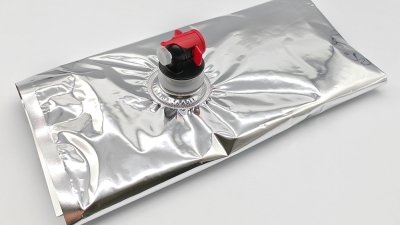
The demand for high-quality juice products has surged in recent years, and packaging plays a crucial role in maintaining freshness and quality. Huadi's customized high-barrier bags for NFC (Not-from-Concentrate) juice packaging address these needs by utilizing advanced Bag-in-Box (BIB) technology. This cutting-edge solution effectively protects sensitive juices from external elements such as oxygen, moisture, and light, which are notorious for degrading product quality. According to a report by MarketsandMarkets, the global juice packaging market is expected to reach $29 billion by 2026, underscoring the importance of innovative packaging solutions in this competitive landscape.
High-barrier Bag-in-Box packaging consists of a soft inner bag that securely contains the juice, surrounded by a robust outer box. This design not only provides physical protection but also preserves the juice's flavor and nutritional integrity for an extended period. Research indicates that properly packaged juices can have a shelf life up to 12 months, significantly enhancing their marketability. The multi-layer structure of these high-barrier bags ensures that the juice remains safe from spoilage while optimizing convenience for both manufacturers and consumers.
Furthermore, the sustainability aspect of high-barrier BIB packaging cannot be overlooked. As sustainability trends continue to influence consumer preferences, Huadi’s packaging offers an eco-friendly option, often using fewer materials than traditional glass or plastic containers. This reduction in material use contributes to a smaller environmental footprint, aligning with the growing demand for sustainable packaging solutions in the food and beverage industry. By choosing Huadi's customized high-barrier bags, juice manufacturers can cater to the increasing consumer expectation for freshness and convenience while embracing environmental responsibility.
FAQS
: Barrier pouches are used to protect products from environmental factors such as moisture, oxygen, and light, which can degrade product quality in various industries like food, pharmaceuticals, and electronics.
The material composition is crucial because multi-layer films often provide superior protection compared to single-layer options, effectively reducing oxygen transmission rates and prolonging the freshness of perishable goods.
Vacuum pouches are designed to remove air and moisture, making them ideal for food storage and medical products, contributing to the overall safety and convenience of packaging.
Aluminum foil pouches provide excellent barriers against moisture, light, and oxygen, making them suitable for pharmaceuticals and high-value goods, thereby improving shelf life and product integrity.
The rising demand for sustainable packaging solutions is driving the use of biodegradable barrier pouches, reflecting increasing consumer awareness of environmental issues while still providing necessary product protection.
Businesses can match barrier pouch features by understanding their products' vulnerabilities to environmental factors and selecting pouches with the appropriate barriers, material compositions, and durability features for optimal protection.
When selecting barrier pouches, businesses should evaluate the unique protection needs of their products, material composition, seal integrity, and puncture resistance to ensure durability during storage and transportation.
The global market for barrier packaging is projected to reach $48 billion by 2025, driven by increasing demand for longer shelf life and enhanced product integrity.
Oxygen barriers are essential for pharmaceutical products to maintain efficacy and extend shelf life, preventing degradation from exposure to oxygen.
The global vacuum packaging market is expected to reach USD 32.4 billion by 2025, driven by increased demand for convenient and safe food packaging solutions.