Leave Your Message
-
Phone
-
E-mail
-
Whatsapp

-
Whatsapp

In today’s really competitive market, glass food packaging comes with its own set of challenges that global buyers need to tackle if they want to keep their products looking good and staying fresh. As customer preferences shift and environmental worries become more pressing, companies like Dongguan Huadi Packaging Products Co., Ltd., which has been around since 2003, are leading the way with innovative packaging solutions that suit a bunch of different industries.
In this blog, we’re going to take a closer look at some of the main issues related to glass food packaging—things like costs, supply chain headaches, putting sustainability into practice, and following all the rules. We’ll also share some market trends and practical reasons behind these hurdles, so folks in the industry can make smarter, more informed choices in a world that's always changing.
You know, the global glass packaging market is really going through some big changes right now. Companies are adapting to what consumers want more and more — like eco-friendly options — and shifting regulations. The whole push for sustainable and recyclable packaging is really giving a boost to the glass food packaging segment, where looks and safety matter a lot. It’s clear that more and more folks prefer glass because it’s eco-friendly and reliable, especially for food and meds. In fact, the global pharmaceutical glass packaging market is expected to hit around USD 49.2 billion by 2034, growing at about 7.87% each year. Pretty impressive, huh?
At the same time, the pharmaceutical contract packaging side is also booming. It’s predicted to reach roughly USD 34.8 billion by 2034, with an annual growth rate of about 7.34%. All these numbers tell us that global buyers are really looking for packaging that’s not just effective but also trustworthy and sustainable. And with all the reports on market trends, segments, and growth, it’s pretty clear that the industry is competitive and constantly striving to meet the rising demand for high-quality, eco-friendly packaging options — places are definitely opening up for innovation and investment in glass packaging.
| Dimension | Value |
|---|---|
| Global Glass Packaging Market Size (2023) | $50 billion |
| Growth Rate (CAGR 2023-2030) | 5.4% |
| Key Challenges in Glass Packaging | High cost of production, Fragility, Environmental regulations |
| Market Share by Segment (2023) | Beverages 40%, Foods 30%, Pharmaceuticals 20%, Other 10% |
| Regions with Highest Demand | North America, Europe, Asia Pacific |
| Sustainability Initiatives | Recycling Programs, Lightweight Glass Development |
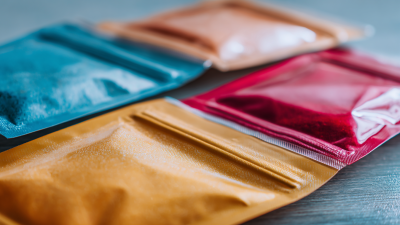
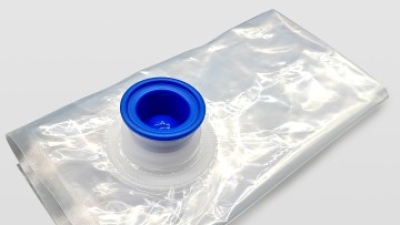
In today's fast-paced world, ensuring food safety is paramount, and one of the essential innovations in this area is the use of Huadi customized aseptic bags. These specialized bags are revolutionizing the food and beverage industry, offering an effective solution for packaging products such as juices, sauces, soups, and dairy alternatives. The aseptic process involved in these bags guarantees an extended shelf life for these items, minimizing spoilage and food waste. This convenience is not just beneficial for consumers, but also crucial for manufacturers aiming to maintain product quality while adhering to safety regulations.
Moreover, the advantages of Huadi customized aseptic bags extend beyond just the food sector. In the pharmaceutical industry, aseptic bags play a vital role in storing and transporting liquid medications, vaccines, and intravenous solutions. These bags create a sterile environment that effectively prevents contamination, thereby safeguarding the safety and efficacy of these critical products. Particularly in healthcare settings, where hygiene standards are inherently strict, the application of aseptic packaging ensures that both medical professionals and patients can trust in the quality of the medications being administered. The blend of convenience, safety, and quality preservation offered by customized aseptic bags makes them an essential choice for a variety of industries.
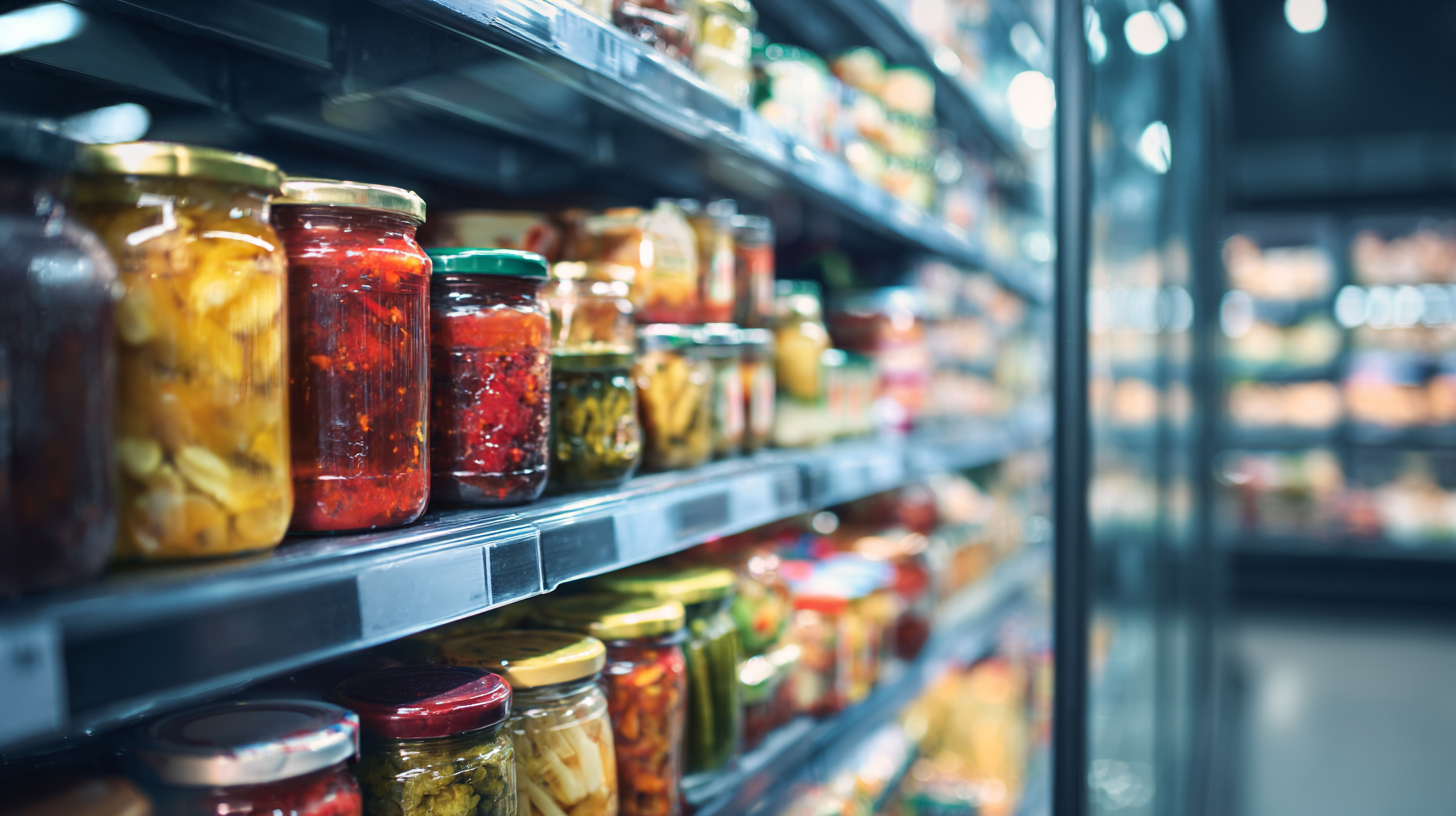
: Glass food packaging is favored for its ability to preserve food quality without introducing harmful chemicals, as well as its minimal environmental impact due to its recyclability and reusability.
Technological advancements have enhanced barrier properties to extend shelf life, integrated tamper-proof seals, and introduced smart labeling that provides consumers with information about product freshness and origin.
Consumers are more health-conscious and prefer glass because it preserves the flavor and freshness of food, while also aligning with their environmental concerns regarding plastic use.
The demand is driven by consumer preferences for health and wellness, sustainability efforts, and the perception of quality associated with glass packaging in premium food segments.
Features such as enhanced barrier properties, tamper-proof seals, and smart labeling can significantly increase the appeal of glass packaging by ensuring product safety and transparency.
Glass can be recycled indefinitely without loss of quality, making it a sustainable option compared to single-use plastics, which has led to its increased adoption among eco-aware consumers and manufacturers alike.
Innovation drives the development of new designs and functionalities in glass packaging, allowing manufacturers to meet market demands while also addressing environmental concerns.
Brands enhance their glass packaging designs to highlight freshness and purity, tapping into consumer perceptions that associate glass with higher quality products.
Rising environmental concerns about waste and pollution from single-use plastics are leading consumers and manufacturers to prioritize recyclable and reusable materials like glass.
Companies investing in innovative glass packaging solutions are likely to gain a competitive edge by aligning with evolving consumer values centered around health, wellness, and sustainability.
In today's ever-changing world of glass food packaging, global buyers are facing quite a few hurdles. From hunting down top-quality materials to figuring out all those tricky regulations — it can get pretty overwhelming. Understanding how this market works is super important because balancing sustainability with keeping the product safe and intact is a real challenge. Luckily, as new innovations in glass packaging pop up, they seem to be tackling these issues head-on, especially with the rising demand for eco-friendly options.
Plus, you’ll notice that more and more companies are leaning toward glass food packaging because of its recyclability and how well it keeps food fresh. Firms like Dongguan Huadi Packaging Products Co., Ltd. are leading the way with customized solutions that not only meet industry standards but also make it easier for buyers to source and use glass packaging effectively. By thinking strategically and staying flexible, companies around the world can improve their supply chains and at the same time support more sustainable packaging practices.