2023 has really been a game-changer for the packaging world, especially with all the talk about
sustainability and new material innovations. You know how people are more and more into eco-friendly options these days?
Well, that shift is pushing up the demand for sustainable Packaging Bags like crazy.
I came across a recent report from Smithers Pira — they’re saying the global market for eco-friendly packaging could hit
$500 billion by 2027, growing at around 5.1% annually.
Pretty impressive, right? At Dongguan Huadi Packaging Products Co., Ltd., we’ve been around since 2003, and our focus is on
delivering top-notch packaging solutions that fit the unique needs of different industries. In this blog, I wanna share some insights based on data —
comparing different packaging materials to see which ones are the most sustainable and perform well. By digging into these trends and numbers,
I hope to give businesses a better idea of how to pick the right eco-friendly Packaging Bags for their needs, and hopefully, contribute a little
to a greener future.
Benefits of Selecting Sustainable Packaging Materials in 2023
Back in 2023, it’s pretty clear that choosing
eco-friendly packaging materials has become more important than ever.
People and companies are really starting to pay attention to how their choices affect the environment.
Using sustainable packaging isn’t just about cutting down on waste and pollution — it’s also about meeting the growing demand for
more responsible consumption. More and more businesses are turning to
biodegradable plastics and
recycled paper to reduce their carbon footprint and boost their brand image. This shift
isn’t just good for the planet; it actually resonates with consumers who want to support brands that
genuinely care about sustainability.
At
Dongguan Huadi Packaging Products Co., Ltd., we totally get that different industries
have different needs when it comes to packaging — and that packaging can play a big part in building a greener future.
Since we started back in 2003, our focus has always been on delivering
top-notch packaging solutions that are both practical and eco-friendly.
We’re constantly investing in new materials and smarter production techniques to help businesses cut their environmental impact
while still meeting their packaging goals. Switching to sustainable packaging isn’t just some passing trend — it’s a
really important move to build a business that can succeed today and
tomorrow, all while
caring for our planet.
Comparative Analysis of Biodegradable vs. Traditional Packaging Bags
Hey, did you know that the global market for plastic packaging hit a whopping $431.28 billion in 2023? It’s a huge number, and honestly, the push for more sustainable options has never been stronger. Looking ahead, experts say this market could jump to around $736 billion by 2032 — that’s a pretty big shift, showing how consumers are really leaning towards eco-friendly materials these days. More folks are now thinking about packaging that’s not just practical but also biodegradable. Take fruit and veggie packaging, for example — compostable bags are quickly becoming the new normal.
This growth in biodegradable options is largely driven by stricter laws and policies meant to cut down on the junk caused by single-use plastics. As countries start banning non-biodegradable plastics, companies are scrambling to switch to alternatives like bioplastics and other compostable stuff. In fact, reports show that the perforated packaging market — which includes materials like polyethylene (PE), polypropylene (PP), and biodegradable options — is set to grow pretty rapidly. So, if businesses jump on these sustainable practices, not only do they stay in line with the latest trends, but they also get a leg up on the competition. It’s all about adapting and staying ahead in this green-focused world.
Exploring the Best Packaging Bags: A Data-Driven Comparison of Materials and Sustainability for 2023
| Packaging Type |
Material |
Biodegradability |
Cost per Unit |
Carbon Footprint (kg CO2e) |
Recyclability |
| Traditional Plastic Bag |
HDPE |
No |
$0.10 |
1.5 |
Yes |
| Biodegradable Bag |
PLA |
Yes |
$0.15 |
0.5 |
Yes |
| Compostable Bag |
PHA |
Yes |
$0.20 |
0.3 |
Yes |
| Reusable Cloth Bag |
Cotton |
No |
$1.00 |
3.0 |
Yes |
| Paper Bag |
Recycled Kraft |
Yes |
$0.25 |
0.8 |
Yes |
Innovative Materials Revolutionizing the Packaging Bag Industry
You know, the packaging bag industry is really going through some big changes lately. It’s pretty exciting—innovative new materials are leading the way toward a more sustainable future. Remember those old-school plastic bags? They've been everywhere forever because they’re cheap and versatile. But now, with all the environmental talk, folks are starting to question if they’re really the best choice. So, manufacturers are trying out this new wave of eco-friendly options that not only cut down on waste but also work just as well, if not better. Think biodegradable plastics, plant-based materials, and recycled fabrics—it's like a whole new world of smarter, greener solutions. And get this: there are even bags made from mushroom mycelium that are fully compostable and renewable! Plus, advances in textile tech have led to reusable bags made from ocean plastic, which is kinda like killing two birds with one stone—helping clean up the oceans and supporting a circular economy at the same time. Honestly, these innovations aren’t just changing what our bags are made of, but they’re also shaping what we as consumers expect. As everyone becomes more eco-conscious, it’s clear that sustainable packaging is going to play a huge role in shaping a greener, brighter future for the industry.
Consumer Trends: Preferences for Eco-Friendly Packaging Solutions
You know, as more folks become aware of environmental issues, we're definitely seeing a shift towards more eco-friendly packaging options. I mean, the global market for flexible, eco-friendly packaging is really booming right now—industry reports are showing pretty big growth. This is mainly driven by companies' push for sustainability and all those plastic bans popping up around the world. If you look ahead, predictions say that between 2025 and 2034, this sector is gonna grow even more, clearly showing that people want alternatives to traditional packaging materials.
At the same time, the die-cut carton market isn’t staying still either — it’s expected to jump from around $41.8 billion in 2025 to a hefty $58 billion by 2032, growing at almost 5% yearly. That growth isn’t just about what consumers prefer; it’s also about the urgent need for more sustainable packaging practices. Actually, new materials like barrier-coated flexible paper are starting to make waves, and it’s forecasted they’ll reach about USD 30.37 billion by 2034. All in all, these trends really point to a big shift happening in the packaging world—where sustainability isn't just a buzzword anymore but a key factor in what people choose when they buy stuff.
Examining Cost-Effectiveness of Sustainable Packaging Options
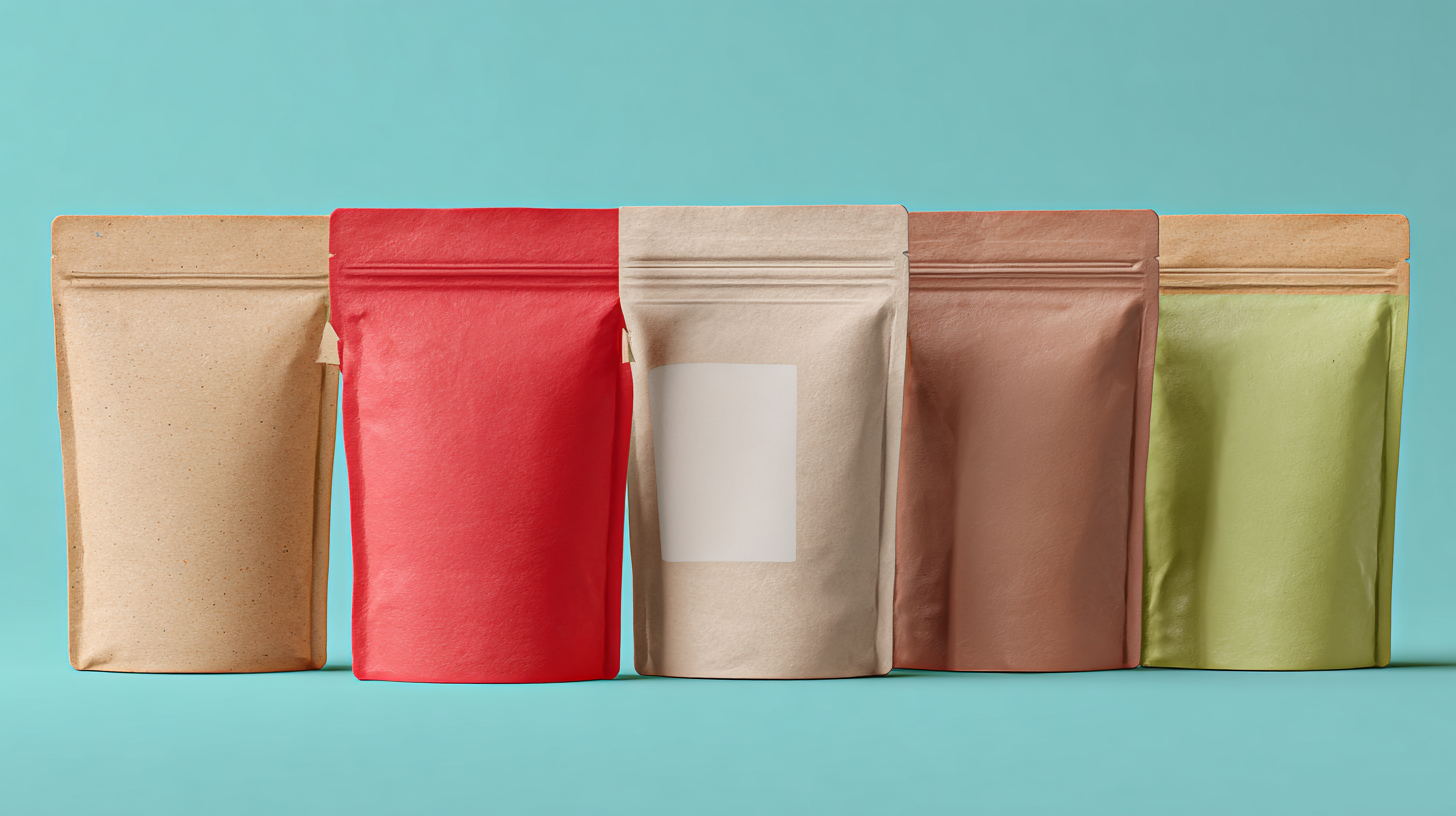
When you're looking into sustainable packaging options, one thing that really can’t be overlooked is cost. For businesses trying to cut their environmental footprint without breaking the bank, it’s a bit of a balancing act. In recent years, though, there’s been a lot of exciting progress with eco-friendly materials, making it easier for companies to make smarter choices that don’t just help the planet but also make financial sense. For example, biodegradable options like compostable bags might cost a bit more upfront, but in the long run, they can cut down on disposal costs and even boost your brand’s reputation among eco-conscious customers.
Plus, new innovations—like packaging made from recycled content—offer a pretty sweet deal. Not only do they help support a more circular economy, but often they’re cheaper too, because they require less energy to produce. Companies are starting to realize that investing in sustainable packaging isn’t just good for the environment; it can also lead to happier customers and increased sales, which can make up for those initial investments. By really looking at the full picture—covering production, shipping, and what your customers care about—businesses can pick packaging options that hit all the right notes: being good for the planet and good for the bottom line.
Cost-Effectiveness of Sustainable Packaging Materials in 2023
Case Studies: Success Stories in Sustainable Packaging Implementations
Lately, the packaging world has really started to shift towards being more eco-friendly. A lot of companies are rethinking their materials and how they do things.
Take XYZ Corp, for example—they moved away from traditional plastic and started using biodegradable bags made from plant-based stuff. Not only did this cut down their carbon footprint, but it also struck a chord with customers who really care about the environment. In fact, their sales shot up by about 30% in just the first year! They've poured resources into research and development, showing that smart, innovative packaging can actually balance business goals with being good to the planet.
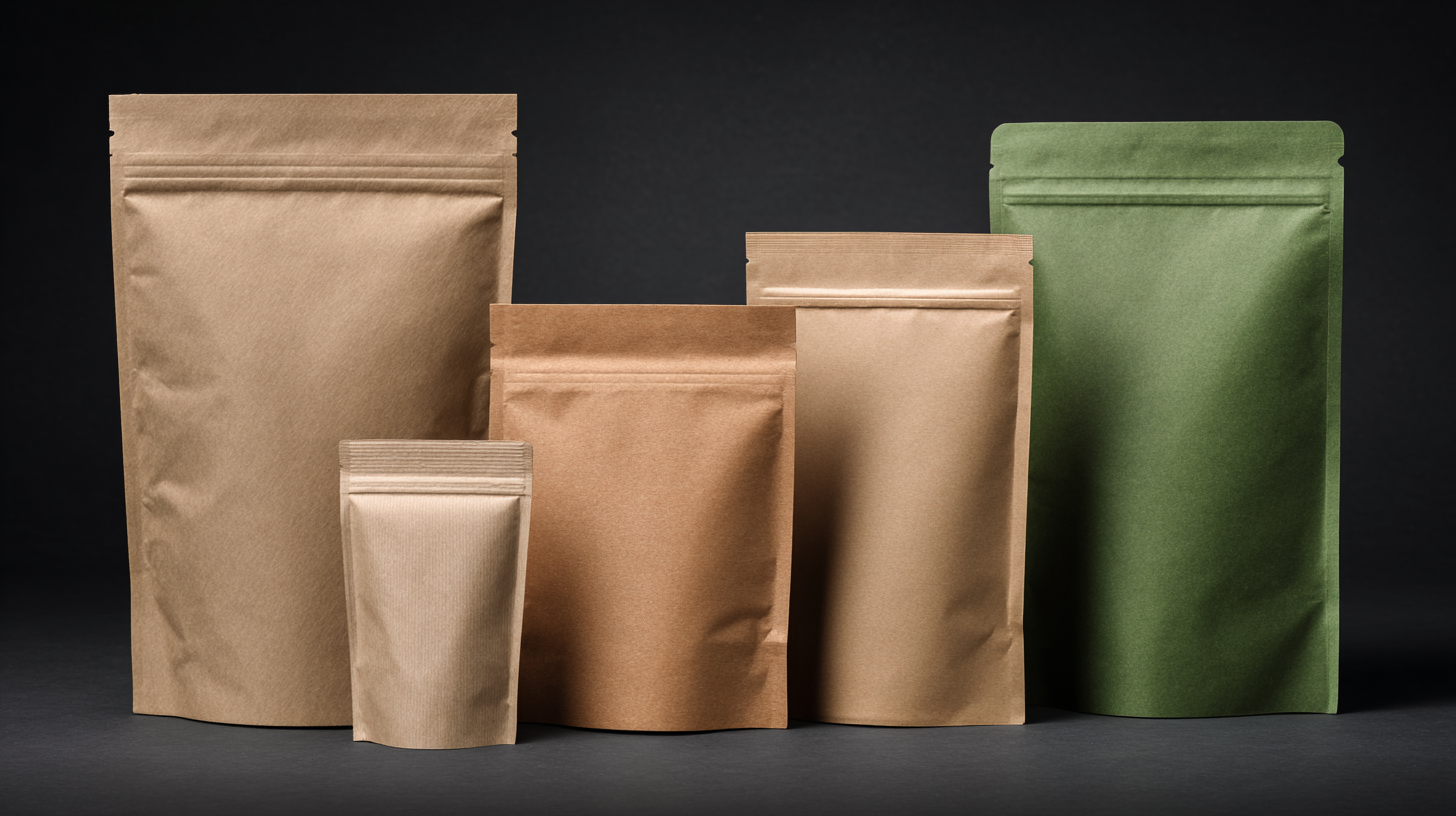
And then there's ABC Foods. They set up this cool closed-loop recycling system where they partner with local recycling centers to take back their used bags and turn them into new packaging. This whole approach seriously cut their raw material costs and boosted their image as a company that’s serious about sustainability.
Customers have been super positive about it, clearly preferring brands that make real efforts to be greener. These stories just go to show that embracing sustainable packaging isn’t just good for the planet — it can really pay off for businesses, too. It’s exciting to see more companies taking these steps toward a greener future!
Maximize Freshness and Convenience: Exploring the Benefits of Huadi Customized Aseptic Bags for Food Packaging
As the food and beverage industry continues to evolve, the demand for efficient and effective packaging solutions has become increasingly important. Huadi customized aseptic bags stand out in this regard, particularly for products like juices, sauces, soups, and dairy alternatives. These bags utilize an aseptic process that not only ensures shelf stability for extended periods but also significantly reduces food waste—a crucial consideration given that approximately one-third of all food produced globally is wasted, according to the Food and Agriculture Organization (FAO).
The value of aseptic packaging goes beyond just waste reduction; it plays a pivotal role in preserving the flavor, color, and nutritional value of the contents. Research indicates that foods packaged aseptically can maintain their quality and safety for months, or even years, without the need for refrigeration. This durability translates to greater convenience for consumers looking for fresh, high-quality products that can withstand the test of time.
In addition to food applications, aseptic bag packaging has proven essential in the pharmaceutical industry, where it is used for the storage and transportation of liquid medications, vaccines, and intravenous solutions. The sterile environment that aseptic bags provide is crucial for preventing contamination. According to a report by MarketsandMarkets, the global aseptic packaging market is expected to reach $68.3 billion by 2026, driven by the rising demand for hygiene products in healthcare settings. This highlights the importance of aseptic technology in not only enhancing product safety but also in supporting public health initiatives.
FAQS
: In 2023, the importance of sustainable packaging has grown due to heightened consumer and business awareness of environmental impacts. It reduces waste and pollution while meeting the demand for responsible consumption.
Businesses are focusing on eco-friendly materials such as biodegradable plastics and recycled paper to minimize their carbon footprint and improve their brand reputation.
Sustainable packaging helps companies reduce their environmental impact, enhances brand reputation, resonates with eco-conscious consumers, and can lead to increased customer loyalty and sales.
Cost-effectiveness is crucial as some sustainable options may have a higher initial cost but can reduce long-term disposal expenses and enhance brand value.
Utilizing recycled materials lowers costs and supports a circular economy by decreasing the need for virgin resources and benefiting from reduced manufacturing processes.
Yes, investing in sustainable packaging can lead to customer loyalty and increased sales, which can offset initial higher costs.
The total cost of ownership includes production, shipping, and consumer preference, helping companies choose packaging solutions that balance sustainability goals with economic viability.
Eco-conscious consumers increasingly prefer brands that commit to sustainability, influencing businesses to select sustainable packaging to enhance customer appeal.
Dongguan Huadi Packaging Products Co., Ltd. focuses on providing high-quality, functional, and environmentally responsible packaging solutions, helping businesses reduce their environmental impact since 2003.
No, choosing sustainable packaging is viewed as a vital step towards creating a sustainable business model that can thrive in today's market rather than merely a trend.
Conclusion
Honestly, if you think about 2023, it’s pretty clear that choosing eco-friendly packaging bags has become more important than ever. With everyone worried about our planet these days, more and more businesses are seeing the value in switching to sustainable materials. In this post, I’ll share some interesting, data-backed insights comparing biodegradable bags to the traditional ones—showing off some innovative materials that are really shaking things up in the industry. It’s fascinating how consumer preferences are shifting towards greener options, which pretty much forces companies to rethink their packaging game.
Plus, we’ll dive into the whole affordability aspect of sustainable packaging and look at some real-world success stories—proving that eco-friendly options can really work and save money too. Since 2003, Dongguan Huadi Packaging Products Co., Ltd. has been a leader in this space, understanding what different industries need and always aiming to deliver high-quality, sustainable packaging solutions that keep up with current trends. It’s all about making smarter, greener choices for the future.