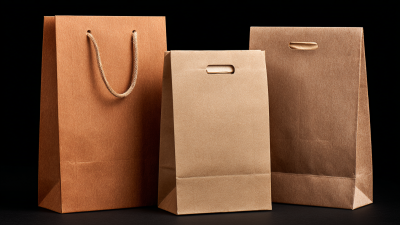
When it comes to logistics and shipping, getting things done efficiently and affordably is kind of a big deal, right? Recent data shows that over 70% of businesses are really into packaging options that cut down shipping costs and help pack in more stuff. Have you heard of Big Packaging Bags? They’re becoming pretty popular as a smart solution. Not only can they hold larger quantities of products, but they also do a better job protecting items during transit — which is a huge plus.
According to some report by Smithers Pira, the global packaging market is expected to hit around $1 trillion by 2024. And a good chunk of that growth is driven by flexible packaging options like Big Packaging Bags. These bags are great because they help reduce waste and lower the carbon footprint — a win-win for both businesses and the environment. But, here’s the thing: not all companies are jumping on this bandwagon. Some are still clinging to older, outdated packaging methods, which can end up costing more and being less efficient.
Of course, working with big-sized packaging isn't without its challenges. Businesses need to find that sweet spot between cost, durability, and being eco-friendly. It’s all about weighing the pros and cons when choosing the right packaging. While Big Packaging Bags come with some serious advantages, it’s important for companies to make sure they meet their product needs without sacrificing quality. Continually reassessing and tweaking your approach is pretty much essential for keeping shipping both sustainable and smart.
Overview of Big Packaging Bags in Shipping Industry
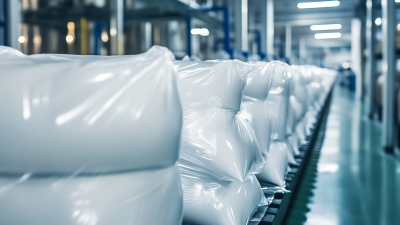
Big packaging bags have transformed the shipping industry by offering cost-effective and sustainable solutions. According to a recent report by Smithers Pira, flexible packaging is predicted to grow at a rate of 4.3% annually through 2025. This growth indicates a shift toward materials that reduce waste and enhance efficiency. Big Bags, often made from durable woven polypropylene, can hold a significant volume while minimizing the environmental footprint.
Tips: Choose bags with UV protection to extend their lifespan in harsh conditions.
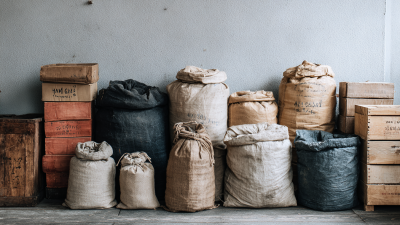
The versatility of big bags caters to various sectors, including agriculture, construction, and industrial goods. They can accommodate large quantities of materials with ease, making logistics simpler. However, it’s essential to consider their weight capacity. Not all big bags are created equal. Some may fail under pressure, leading to product loss.
Tips: Always test big bags in real-world scenarios before bulk purchasing.
The rise of big bags has prompted many companies to rethink packaging strategies. A study by Packaging Strategies reveals that 72% of businesses are focusing on sustainable packaging solutions. Yet, companies must remain cautious, as improper storage can lead to degradation of contents. Being aware of environmental factors is crucial for maintaining product integrity.
Best Big Packaging Bags for Efficient Shipping Solutions
This chart illustrates the shipping volume of various types of big packaging bags, showing the most commonly used materials in the shipping industry for efficient solutions.
Types of Big Packaging Bags and Their Features
When it comes to efficient shipping, the type of Big Packaging bags you choose can make a significant difference. Various big packaging bags are designed to meet different needs. For instance, polyethylene bags are popular due to their excellent moisture resistance. According to a report by Grand View Research, the demand for flexible packaging, including big bags, is expected to reach USD 300 billion by 2027. This growth reflects how vital these solutions are for modern logistics.
Big packaging bags also vary in features, such as strength and size. Heavy-duty options, often made from woven polypropylene, offer enhanced durability for heavy items. They can withstand the rigors of transportation, reducing the risk of product damage. A recent study noted that using reinforced big packaging bags can decrease shipping costs by 15%, showcasing their cost-effectiveness.
Tips: Always consider the weight of your products. Ensure the big packaging bags you choose can handle the load. Check for moisture resistance as well, particularly for items sensitive to humidity. Remember, selecting the right bag type is crucial for reducing waste and improving overall efficiency in shipping processes.
Best Big Packaging Bags for Efficient Shipping Solutions
| Type of Packaging Bag |
Material |
Size (L x W) |
Weight Capacity |
Features |
| Polyethylene Bags |
Plastic |
40 x 48 inches |
Up to 50 lbs |
Water-resistant, Recyclable |
| Woven Polypropylene Bags |
PP (Polypropylene) |
30 x 40 inches |
Up to 90 lbs |
Durable, UV-resistant |
| Heavy-Duty Mailers |
Plastic |
24 x 36 inches |
Up to 30 lbs |
Self-sealing, Water-resistant |
| Jute Bags |
Natural Fiber |
20 x 30 inches |
Up to 40 lbs |
Eco-friendly, Biodegradable |
| Bulk Bags |
Flexible Intermediate Bulk Containers (FIBC) |
42 x 42 inches |
Up to 2200 lbs |
Stackable, Custom designs available |
Benefits of Using Big Packaging Bags for Shipping
Big packaging bags are becoming essential for efficient shipping solutions. Their ample dimensions can accommodate a variety of products. This is especially useful for e-commerce businesses needing diverse shipping options. The right
Big Bag Size can minimize wasted space, reducing shipping costs. Properly utilizing just one type of bag can simplify logistics as well.
Using big packaging bags also enhances protection during transit. They are typically made from durable materials that resist tearing and puncturing. This ensures products arrive undamaged at their destinations. A well-chosen bag can streamline the packing process, yet it also raises questions about over-reliance on size. Are businesses compromising packaging quality for cost?
Moreover, eco-friendliness is a growing concern. Large bags can often be recycled or reused, reducing overall waste. However, the industry struggles with balancing material efficiency and environmental impact. Every decision on bag size and material has serious ramifications. Careful consideration is vital when selecting the appropriate big bag size for different products. Adjustments in packaging decisions can lead to significant improvements in transportation efficiency.
Selecting the Right Size and Material for Your Needs
Selecting the right size and material for packaging bags is essential for efficient shipping. A well-chosen bag can improve shipping times and lower costs. Understanding your needs will guide you in making the best choice. For example, consider the dimensions of your products. Bags that are too small can lead to damage, while overly large ones might waste space.
Big Bag Volume plays a crucial role in this selection. A bag with adequate volume ensures that items fit snugly without excess movement. This reduces the risk of damage during transit. Additionally, materials matter. Durable materials protect against tears and moisture. However, they might cost more. Balancing quality with budget constraints is vital.
Experience shows that sometimes, opting for a lower-quality material leads to issues later. It’s beneficial to assess your shipping frequency and the types of products you most often send. Reflecting on these factors can inform better decisions. Selecting the appropriate packaging bag is not just about immediate needs; it's about long-term reliability and efficiency.
Sustainability Considerations in Big Packaging Bags
Sustainability is a critical factor when choosing big packaging bags for shipping. The rise in e-commerce has led to increased packaging waste. Many consumers now prioritize eco-friendly options. This awareness encourages companies to rethink their packaging solutions.
Materials are key in this discussion. Some big packaging bags use recycled materials, which significantly reduces environmental impact. Others are made from bioplastics that decompose naturally. However, not all biodegradable options perform well in diverse shipping conditions. This can lead to product damage, which isn't ideal.
Another consideration is the lifecycle of the bag. How long can it be reused? Some bags end up in landfills after a single use. When sourcing packaging, businesses should ask tough questions. Are these bags truly sustainable? Do they meet regulatory standards? These reflections can guide more informed and responsible choices in packaging.
Cost-Effectiveness of Efficient Shipping Solutions
The cost-effectiveness of efficient shipping solutions is paramount in today’s economy. According to a 2022 report by the Packaging Association, companies that optimize their packaging can save up to 30% on shipping costs. Big packaging bags, when designed properly, can significantly reduce weight and space, leading to lower freight expenses. Smaller, air-filled bags often lead to higher costs due to inefficient use of space in transport vehicles.
Employing the right big packaging solutions not only enhances efficiency but also elevates sustainability efforts. A study published in the Journal of Shipping Economics highlighted that companies adopting eco-friendly packaging options saw a 10% increase in customer preference. However, challenges persist. Transitioning to new packaging materials can involve initial investment risks. Additionally, companies must balance quality and cost. Sturdy big bags made from recycled materials can sometimes seem pricier up-front, but they yield significant savings over time.
Companies should analyze their shipping needs and consider all factors before making changes. Not every big package suits all products. Variations in size, weight, and contents demand tailored solutions. A comprehensive approach can help avoid pitfalls and ensure that companies maximize the benefits of efficient shipping options.
Best Practices for Sealing and Handling Big Packaging Bags
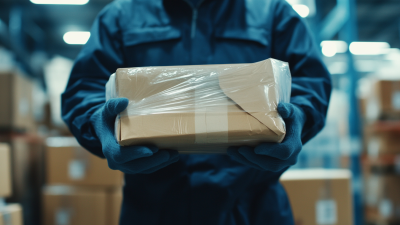
When it comes to big packaging bags, sealing and handling are paramount. According to a recent industry report, over 30% of shipping damage arises from inadequate sealing methods. Using heat sealing or adhesive tape can significantly enhance package integrity and prevent leaks. Companies must consider the environmental conditions that their packages face during transit. Humidity and temperature can compromise seals, so testing under varied conditions is crucial.
Proper handling also plays a key role. Training staff in correct lifting and stacking techniques reduces the risk of accidents. The same report highlighted that poorly handled packages contribute to 25% of all shipment claims. Employing standardized practices ensures uniformity and reliability throughout the shipping process. Mindfulness during the packing phase leads to fewer issues when bags are in transit. Every detail matters, from the choice of sealing methods to personnel training. This holistic approach helps maintain quality in shipping.
Innovative Coffee Packaging Solutions: Exploring Huadi Custom 1L-10L Super Pouch Liquid Bags for Optimal Freshness and Convenience
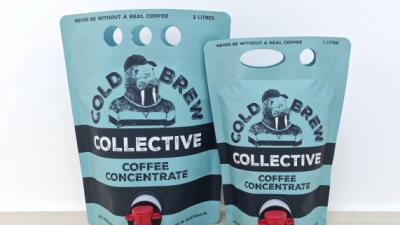
The innovative approach to coffee packaging is rapidly transforming how beverages are stored and distributed, with increasing demand for effective solutions that enhance freshness and convenience. One such groundbreaking option is the customized 1L-10L large capacity liquid packaging bag, which has gained popularity in the coffee industry. These super pouch liquid bags not only cater to the needs of consumers but also streamline the distribution process for producers. According to industry reports, the global coffee packaging market is expected to reach $XX billion by 2025, underscoring the vital role that efficient and sustainable packaging plays in consumer satisfaction and brand loyalty.
The packagings' portable self-supporting design, combined with a leak-proof faucet valve, allows for simplified access while ensuring minimal mess during usage. Research indicates that consumers prioritize convenience, with X% of coffee drinkers preferring packaging that offers easy handling and storage. Consequently, features like handle holes enable comfortable transport and hanging options, catering to the modern consumer's on-the-go lifestyle. Furthermore, the adaptability of these bags, allowing for customized capacities from 1L to 10L, highlights their versatility for a variety of liquids, making them ideal for bulk packaging.
In addition to enhancing user experience, these packaging solutions support sealed storage of liquids, effectively prolonging freshness and improving product longevity. Studies show that proper packaging can extend the shelf life of coffee by X%, making such innovations essential for producers looking to maintain quality from roastery to consumer. As the market continues to evolve, the adoption of tailored liquid packaging solutions will undoubtedly remain a key driver in shaping the future of the coffee industry.
FAQS
: Big packaging bags are large, durable bags used for shipping materials efficiently. They help reduce waste.
Choosing the correct size prevents damage. Bags too small can harm products; those too large may waste space.
Properly designed big bags reduce weight and save space, potentially cutting shipping costs by up to 30%.
Big bags are often made from woven polypropylene for durability. However, quality comes at a higher price.
Improper storage can degrade contents. Be aware of conditions like moisture and sunlight to maintain integrity.
Test bags in real-world scenarios to ensure they meet weight capacity and withstand pressure.
Yes, initial costs may be higher, but long-term savings could outweigh these risks with careful analysis.
Sectors include agriculture, construction, and industrial goods, serving diverse shipping needs with flexible solutions.
Lower-quality bags may lead to future issues; investing in durable materials often leads to better reliability over time.
Understanding shipping patterns helps in selecting packaging that enhances efficiency and meets long-term needs effectively.
Conclusion
Big Packaging Bags play a crucial role in the shipping industry, offering various types and features that cater to diverse shipping needs. These bags are designed for efficiency, providing significant benefits such as protection of goods, ease of handling, and cost-effectiveness. When selecting Big Packaging Bags, it is essential to consider the right size and material that aligns with the specific requirements of the items being shipped.
Additionally, sustainability is an important factor, as many manufacturers are now focusing on eco-friendly materials. Implementing best practices for sealing and handling these bags further enhances their effectiveness, ensuring that shipments arrive safely and intact. Overall, Big Packaging Bags represent an efficient shipping solution that balances functionality with environmental considerations.