With the 2026 Canton Fair just around the corner, everyone’s talking about Big Packaging Bags more than ever. Industry expert John Smith from Global Packaging Solutions points out, "Big Packaging Bags are really steering us toward more sustainable and efficient supply chains." The fair, happening from April 15 to May 5, is packed with new innovations not just in packaging but also in manufacturing and home decor—pretty exciting stuff!
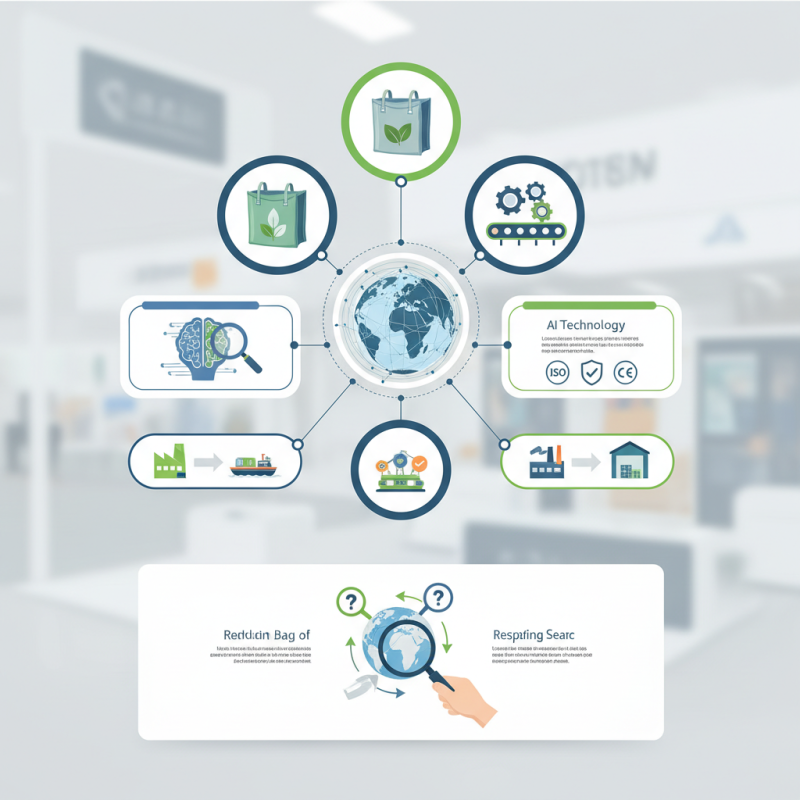
One of the coolest things happening this year is how AI tech will make things easier for buyers. Features like smart search and easy navigation mean attendees can quickly find the right suppliers. So, if you're on the hunt for "Big Packaging Bags," you can even filter your options by certifications like ISO or CE—how handy is that? Just think about exploring all 1.55 million square meters of the exhibition—sounds overwhelming, right? But AI will definitely help cut through the noise.
That said, it’s not all smooth sailing. While many companies are now switching to eco-friendly materials, not all "Big Packaging Bags" fully meet those sustainability standards. Buyers really need to stay sharp and make informed choices. The 2026 Canton Fair is a great chance for everyone—manufacturers, buyers, everyone—to discuss these challenges, share ideas, and push for responsible innovation that considers our planet’s health.
Benefits of Big Packaging Bags for Businesses
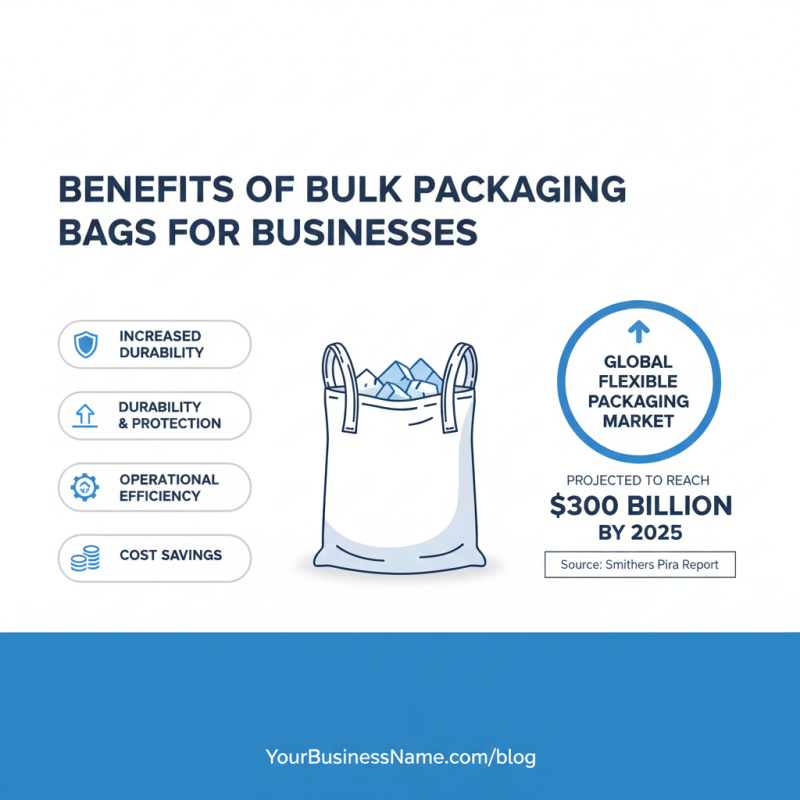
The benefits of big packaging bags for businesses are substantial. These bags, often made from durable materials, offer impressive strength. According to a report by Smithers Pira, the flexible packaging market is projected to grow to $300 billion by 2025. This growth highlights the increasing preference for efficient packaging solutions.
Big packaging bags can significantly reduce shipping costs. Their lightweight design minimizes overall freight expenses. A survey showed that companies could save up to 20% on transport costs by opting for flexible packaging. Additionally, these bags use less material than traditional packaging, contributing to reduced waste. However, it’s worth noting that not all bags are eco-friendly.
Adopting big packaging bags may require a rethinking of supply chains. It's vital to ensure compatibility with existing processes. A mismatch can lead to delays and increased operational costs. Businesses must assess their needs thoroughly to avoid such pitfalls. Overall, these packaging solutions can provide competitive advantages when implemented correctly.
Key Features of Big Packaging Bags
When considering big packaging bags, several key features stand out. First, these bags often have a higher capacity. They can hold larger quantities of goods, reducing the need for excessive packaging. According to the latest industry report, companies using big bags can save up to 30% on shipping costs due to increased efficiency. This capability makes them attractive for various sectors.
Durability is another crucial aspect. Many big packaging bags are made from strong, lightweight materials. They resist tears and can withstand harsh conditions. This feature is vital for transporting goods safely, ensuring that products arrive intact. Reports indicate that over 75% of businesses prioritize durability in packaging decisions. However, it is essential to consider recycling options, as not all materials meet eco-friendly standards.
Big packaging bags also offer versatility. They can be used for multiple products, ranging from agricultural items to industrial materials. This adaptability can streamline inventory management. Still, businesses must assess their specific needs to choose the right type. Some companies struggle with the storage of these larger bags, causing logistical challenges. Proper planning is essential to make the most of these benefits.
Why Choose Big Packaging Bags at the 2026 Canton Fair?
Sustainability and Eco-Friendliness of Big Packaging
The push for sustainability is reshaping packaging choices globally. At the 2026 Canton Fair, Big Bags stand out as a leading option. These bags, often made from recyclable materials, significantly reduce environmental impact. Industry reports indicate that switching to eco-friendly packaging can decrease carbon footprints by up to 30%. This aligns with growing consumer expectations for sustainable practices.
In the world of packaging, size matters. Big Bags allow companies to optimize resources and minimize waste. Using fewer materials for larger packages can lessen production emissions. However, the challenge lies in ensuring these bags are reused or recycled properly. Only 15% of plastic packaging is recycled globally. Addressing this gap is crucial for true sustainability.
Moreover, Big Bags can support businesses by lowering overall packaging costs. A report from the Sustainable Packaging Association reveals that companies using eco-friendly materials see an increase in customer loyalty. Yet, the journey isn't perfect. Education around proper disposal methods is still needed. Companies must engage consumers actively in sustainable practices to maximize the benefits of Big Bags.
Cost-Effectiveness of Big Packaging Solutions
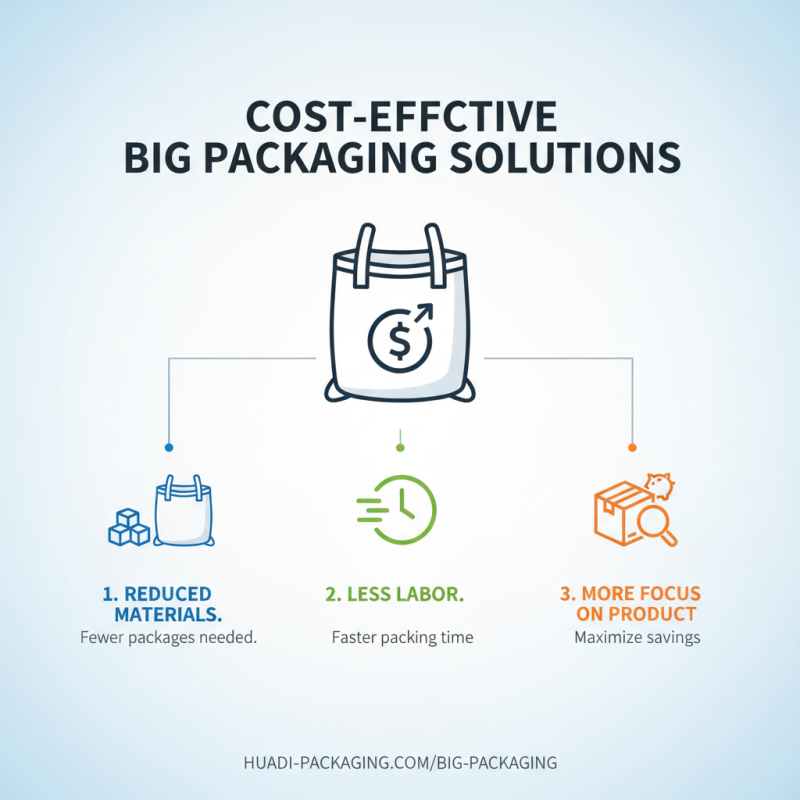
When considering packaging solutions, Big Packaging bags stand out for their cost-effectiveness. These large bags can help businesses save money. They reduce the need for multiple smaller packages. This means fewer materials and less time spent on packing. Businesses can focus on what matters: their products.
Cost savings come from bulk purchasing. Buying in larger quantities often lowers the unit price. This strategy works well for many industries. Transporting big packaging bags is also cheaper. Fewer bags mean reduced shipping costs. Therefore, businesses can enjoy higher margins.
**Tip:** Always analyze your needs before choosing sizes. Sometimes, smaller bags can be more efficient for specific products.
**Tip:** Assess your supplier options. Some may offer discounts for bulk orders. This can enhance your overall savings.
While big packaging might seem perfect, it is essential to evaluate whether it fits all products. Not every item needs such large packaging. Businesses must reflect on their individual packaging needs. Choosing big packaging should complement your brand strategy.
Market Trends and Innovations in Big Packaging
The demand for big packaging bags is surging. According to industry reports, the global big bag market is expected to reach $4 billion by 2026. Consumers seek efficiency and sustainability in packaging solutions. Big bags offer substantial capacities, catering to various industries, from agriculture to construction.
Recent trends highlight a shift toward eco-friendly materials. Around 30% of packaging manufacturers are exploring biodegradable options. This shift reflects growing consumer preferences for sustainable practices. Users now look for Big Bag Size that maximizes space while ensuring environmental responsibility. Another area of innovation is the use of advanced printing technologies. Enhanced graphics appeal to brands aiming for differentiation.
Challenges remain in standardizing big bag sizes. Many manufacturers still struggle with size consistency. Logistics issues arise when bags do not fit containers perfectly. These factors can hamper operational efficiency. Ensuring quality control while embracing innovation demands a careful balance. As demands evolve, flexibility in design will be key. Businesses must adapt to remain competitive in this rapidly changing market.
Considerations for Choosing Big Packaging Bags
When selecting big packaging bags, consider various essential factors. The material plays a significant role. HDPE and PP are popular options, providing strength and durability. A recent report indicated that big bags made from these materials show a 30% increase in load capacity compared to standard bags. This aspect can lead to greater efficiency in logistics.
Another important consideration is the bag's volume. The size impacts transport costs and storage efficiency. A study revealed that optimizing Big Bag Volume can reduce shipping expenses by up to 15%. This not only enhances sustainability but also minimizes the carbon footprint. Choosing the right dimensions avoids unnecessary excess material, which is often overlooked.
Lastly, closures and features matter. Adding features like discharge spouts can ease handling. Reports showed that products with innovative closures have a 25% lower risk of spillage during transport. However, many companies underestimate the importance of these enhancements. They risk losing potential savings and efficiency. It's crucial to evaluate the balance of cost and functionality in big packaging bags.
Future of Big Packaging at Trade Events like Canton Fair
At the 2026 Canton Fair, big packaging bags will play a crucial role. As trade events evolve, these bags offer practicality. They are designed to hold a variety of products efficiently. Imagine walking through the fair with vibrant, sturdy bags hanging from your shoulders. This is not just a trend; it’s a necessity.
The future of big packaging lies in smart design and sustainability. Many exhibitors will prioritize eco-friendly materials. Buyers may find it disappointing if they encounter traditional plastic options. Investment in innovative packaging solutions is crucial. It is important to focus on materials that reduce environmental impact while enhancing usability.
Companies will need to reflect on their packaging choices. Big bags can cut costs and increase visibility. However, they are not a one-size-fits-all solution. Participants should consider size, weight, and practicality. Taking risks can lead to pioneering new packaging concepts. The key is to strike a balance between functionality and aesthetics.
Why Choose Big Packaging Bags at the 2026 Canton Fair?
| Features |
Benefits |
Applications |
| Durability |
Long-lasting protection for products |
Food Packaging, Industrial Goods |
| Customizability |
Tailored designs to meet client needs |
Retail, E-commerce |
| Eco-friendly Materials |
Sustainable packaging options |
Consumer Goods, Agricultural Products |
| Cost-effective |
Reduces shipping and storage costs |
Logistics, Supply Chain |
| Versatile Sizes |
Fits various product dimensions |
Manufacturing, Wholesale |
Innovative Huadi Customized Aseptic Bags: Versatile Transparent Solutions for Food Packaging
Innovative Huadi Customized Aseptic Bags: Versatile Transparent Solutions for Food Packaging
Aseptic bags have become an essential component in the food and beverage sector, offering a reliable packaging solution for products like juices, sauces, soups, and dairy alternatives. The aseptic process allows these items to be stored at room temperature for extended periods, significantly enhancing shelf stability. According to industry reports, the global aseptic packaging market is projected to reach USD 70 billion by 2027, driven by the increasing demand for convenient, long-lasting food products. This innovative packaging does not only streamline distribution but also plays a crucial role in reducing food waste, as consumers are able to store these items for longer durations without compromising quality.
In addition to food applications, the pharmaceutical industry benefits greatly from aseptic bag packaging. These bags are designed to maintain a sterile environment, essential for the storage and transportation of critical products such as liquid medications, vaccines, and intravenous solutions. The ability of aseptic bags to prevent contamination is vital in healthcare settings, where every detail matters. Recent studies indicate that aseptic packaging can enhance the safety and efficacy of medical products, which is paramount given the growing emphasis on patient care and public health. As the demand for aseptic solutions continues to rise, manufacturers are focusing on developing customized, transparent aseptic bags that meet the varied needs of both food and pharmaceutical industries, ensuring the preservation of flavor, color, and nutritional value for food items while safeguarding the integrity of medical supplies.
FAQS
: Sustainability is reshaping global packaging choices. Eco-friendly solutions are in high demand now.
Big Bags use recyclable materials. They can potentially decrease carbon footprints by up to 30%.
Larger packages like Big Bags optimize resources. They minimize waste and reduce production emissions.
Only 15% of plastic packaging is recycled globally. This gap poses challenges for true sustainability efforts.
Big Bags can lower overall packaging costs. Companies using eco-friendly materials often see increased customer loyalty.
The market is shifting towards biodegradable materials. Around 30% of manufacturers are exploring these options.
Many struggle with size consistency. Logistics issues arise if bags do not fit containers correctly.
Education on disposal methods is essential. Proper consumer engagement maximizes the benefits of Big Bags.
Flexibility in design is key to staying competitive. Businesses must adapt to evolving market demands.
Brands use advanced printing technologies. Enhanced graphics attract consumers looking for unique packaging.
Conclusion
The article "Why Choose Big Packaging Bags at the 2026 Canton Fair?" explores the various advantages that Big Packaging Bags offer to businesses. These bags provide enhanced protection and efficiency for transporting goods, making them an essential choice in today’s competitive market. Key features such as durability, customizable sizes, and versatility contribute to their growing popularity, while their eco-friendly production methods align with sustainability trends that are increasingly important to consumers.
Cost-effectiveness also plays a significant role, as businesses can benefit from reduced shipping and storage costs associated with Big Packaging Bags. Innovations in the industry further enhance their appeal, allowing companies to stay ahead of market trends. When selecting the right Big Packaging Bags, businesses should consider factors like material quality, size requirements, and environmental impact. As trade events like the Canton Fair evolve, the future of Big Packaging Bags appears promising, providing innovative solutions that meet the needs of various industries.