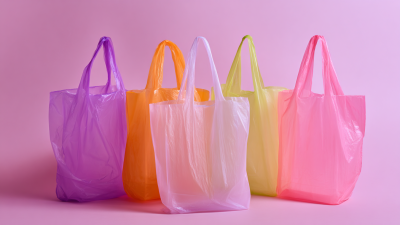
Lately, there's been a real push for businesses across different industries to switch over to more sustainable packaging options. It’s kind of hard to ignore—worldwide, the packaging market is expected to hit around $1.05 trillion by 2024! More companies are jumping on the eco-friendly bandwagon, using materials that are better for our planet. Take polythene bags, for example—they’ve become super popular because they’re so versatile and eco-friendly. They’re recyclable, durable, and tend to leave a smaller carbon footprint. At Dongguan Huadi Packaging Products Co., Ltd., which has been around since 2003, we really pride ourselves on leading the way in innovative, high-quality packaging solutions. Choosing polythene bags isn’t just good for the environment—it’s also a smart move for your brand’s reputation. When used properly, they can help cut down on plastic waste and support a more sustainable future. So, in a way, it’s a win-win for everyone!
Benefits of Polythene Bags in Sustainable Packaging Practices
You know, polythene bags have really become a key player when it comes to more sustainable packaging options. They’re super lightweight and pretty versatile, which just makes them so handy. I was reading a report from the British Plastics Federation, and it pointed out that these bags can actually help cut down on packaging waste since they take less energy to make compared to stuff like paper or cloth bags. A company called Dongguan Huadi Packaging Products, which started back in 2003, totally gets how important these eco-friendly materials are, especially with more industries looking for greener packaging solutions these days.
And here’s the cool part—polythene bags are 100% recyclable and you can reuse them quite a few times, making them even more eco-friendly. According to the Environmental Protection Agency, recycling plastic bags properly can save a staggering amount of greenhouse gases—up to 1,000 times their weight! So, by using polythene bags in their packaging, companies aren’t just doing something good for the environment; they’re also appealing to the growing number of eco-conscious folks out there. It’s really a win-win. That’s pretty much the heart of Huadi’s mission: to offer top-notch, sustainable packaging options that fit different industry needs while keeping the planet in mind.
Advantages of Choosing Polythene Bags for Sustainable Packaging Solutions
Environmentally Friendly Aspects of Polythene Bags
These days, polythene bags are really stepping up as a pretty good option for more sustainable packaging, especially with all the talk about plastic pollution going on. With folks pushing harder for eco-friendly alternatives, the perks of using polythene are pretty obvious. Like Professor Wen Zongguo, an expert on environmental sustainability, mentioned, we really need a well-rounded approach to tackling plastic waste. When made responsibly, polythene bags can cut down on trash and even help keep the circular economy going.
Plus, the cool thing is that they can be designed to be reused or recycled, which makes them way better for the environment compared to single-use plastics. Companies like Dongguan Huadi Packaging Products Co., Ltd. get this too—they’ve been into high-quality packaging solutions since 2003, really emphasizing that green side of things. By focusing on eco-friendly polythene, they’re contributing to smarter, more sustainable practices that line up with today’s ecological goals. All in all, polythene bags seem like a practical choice—they work well and are a lot kinder to the planet—helping industries go for greener, more responsible options.
Cost-Effectiveness of Using Polythene for Packaging
When you're looking into eco-friendly packaging options, you really can't ignore how cost-effective polythene bags are. I mean, a report from Smithers Pira mentioned that the global market for polythene packaging could hit around $143 billion by 2024 – which obviously puts more focus on making products efficiently and affordably. These bags aren’t just cheaper to make than paper or bioplastics; they’re also super easy and cheap to transport because they’re so lightweight. That’s a big plus, since it means lower fuel costs and overall savings for businesses.
And if you ask me, the best part is that, according to the EPA, you can reuse these bags up to five times. That kinda makes them last longer, which is awesome because it cuts down on the need for new single-use options. Plus, they’re pretty recyclable too, with lots of facilities now able to process them. So, not only are you doing your part for the environment, but you’re also saving some cash in the long run. In the end, choosing polythene ties in pretty well with sustainability goals, but it’s also a smart move economically, especially with how competitive things are these days.
Versatility of Polythene Bags for Various Industries
Polythene bags have really become a go-to solution across a bunch of different industries. They’re a pretty flexible alternative to the usual packaging options, and honestly, it’s hard to overlook how handy they are. You’ll see them everywhere—retail shops, food packaging, even healthcare. In retail, for example, these bags can be tailored in all kinds of ways—sizes, shapes, colors—giving brands a chance to stand out and make their packaging look sharp. Plus, they're lightweight, which means saving on shipping costs and cutting back on carbon emissions—definitely a win for sustainability.
When it comes to food, polythene bags are super important because they help keep things fresh longer and prevent moisture or contaminants from sneaking in. Many of these bags are even recyclable or made from recycled stuff, so they’re kind of a green choice too. In healthcare, they’re essential for packaging medical supplies—they keep things sterile and protected from contamination. All in all, polythene bags are more than just simple packaging—they’re a flexible, eco-friendly solution that fits the needs of different industries while helping us stay a bit more eco-conscious.
Advantages of Choosing Polythene Bags for Sustainable Packaging Solutions
| Industry |
Advantages |
Application Examples |
| Retail |
Durability and lightweight, reusable options |
Shopping bags, product packaging |
| Food Services |
Moisture resistance, food-safe materials |
Takeaway bags, food storage |
| Agriculture |
Protection from moisture, pest resistance |
Seed packaging, fertilizer bags |
| Construction |
Heavy-duty options, weather-resistant |
Sandbags, debris containment |
| E-commerce |
Lightweight, easy to ship |
Shipping bags, mailer bags |
Comparison of Polythene Bags with Other Packaging Options
When you think about sustainable packaging options, polythene bags really do stand out compared to other choices. Recent studies show that plastic packaging, including polythene, can actually have a much lower environmental impact than things like paper. For example, using plastic packaging can cut greenhouse gas emissions by as much as 70% versus paper bags. That’s pretty impressive when you consider how much it helps in shrinking our climate footprint.
And if you look at the market, the global plastic bag industry is expected to hit around USD 35.41 billion by 2033, so it’s clear that people are still really into efficient and affordable packaging solutions.
Plus, polythene bags aren’t just better for the environment, but they also do a great job when it comes to food packaging—like with fruits, for instance. A recent study on fruit packaging underlined how important well-designed plastic bags can be for reducing plastic waste. What’s interesting is that even though a good chunk of consumers—about 50%—are leaning towards packaging-free options, those who still pick plastic tend to have a smaller environmental impact overall. This kind of points to the fact that there’s still room for innovation in the polythene sector. It’s balancing customer preferences with the need to protect our planet, which really keeps it relevant as a packaging choice.
Innovative Uses of Polythene in Eco-Conscious Packaging Solutions
You know, polythene bags are really gaining recognition as a pretty versatile option when it comes to eco-friendly packaging. Their lightweight design makes them a great choice if you're looking to cut down on transportation emissions—since they use less fuel than traditional packaging materials, it’s kind of a no-brainer. I read in a report from the Plastics Industry Association that switching to polythene could potentially cut greenhouse gas emissions by up to 30% over the entire lifecycle of the product. That’s pretty significant, right? It really shows how this material has so much potential for more sustainable practices.
And it’s not just about shopping bags anymore. Companies are getting pretty creative with polythene—like using it for advanced agricultural films that help save water and boost crop yields. The Food Packaging Institute also mentions that polythene can help keep food fresh longer by acting as a good moisture barrier. All of this makes it super appealing for businesses that want to go green without sacrificing functionality, especially since consumers are more and more demanding eco-friendly options.
**Quick tip:** When you’re using polythene bags, it’s better to choose recycled ones if you can—that way, you’re doing even more for the planet. Also, educating customers about reusing and recycling these bags makes a huge difference in reducing waste. If businesses buy in bulk, it can really streamline things, cut down on waste, and actually be better for the bottom line. Overall, polythene seems like a smart move for sustainable packaging that doesn’t mess around with convenience and profitability too much.
Enhancing Food Safety: The Benefits of Huadi Customized Aseptic Bags for Packaging and Storage
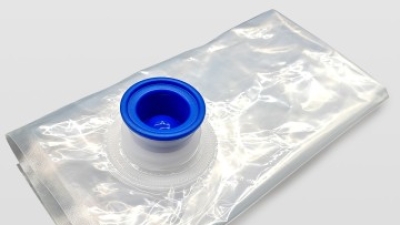
In the quest for enhancing food safety, Huadi Customized Aseptic Bags are revolutionizing packaging and storage solutions. Widely utilized in the food and beverage sector, these aseptic bags are perfect for packaging a range of products, including juices, sauces, soups, and dairy alternatives. The aseptic process employed in Huadi bags is vital, as it maintains a sterile environment that extends shelf life while preserving the product's flavor, color, and nutritional value. This not only offers convenience to consumers but also plays a significant role in reducing food waste, a pressing issue in today’s world.
Beyond the food industry, Huadi Aseptic Bags are also crucial in the pharmaceutical sector. These bags facilitate the safe storage and transportation of liquid medications, vaccines, and intravenous solutions. The sterile environment provided by these customized bags effectively prevents contamination, ensuring the safety and efficacy of essential medical products. In healthcare settings, where hygiene is paramount, the reliability of Huadi Aseptic Bags underscores their importance in maintaining strict standards and delivering quality healthcare solutions. Embracing such advanced packaging technologies is essential for safeguarding both food and health, paving the way for a safer, more efficient future.
FAQS
: Polythene bags are lightweight, versatile, and require less energy to produce compared to alternatives like paper and cloth, contributing to a reduction in packaging waste.
Yes, polythene bags are 100% recyclable and can be reused multiple times, enhancing their sustainability credentials.
When recycled properly, polythene bags can save up to 1,000 times their weight in greenhouse gas emissions.
Studies show that plastic packaging, including polythene, can reduce greenhouse gas emissions by up to 70% compared to paper bags.
Yes, polythene bags are particularly advantageous in food packaging, especially in the fruit supply chain, due to their efficient design that helps reduce plastic footprints.
The global plastic bag market is projected to reach approximately USD 35.41 billion by 2033, indicating a growing demand for efficient and cost-effective packaging.
When produced responsibly, polythene bags can significantly reduce waste and support a circular economy through their recyclability and reusability.
Established in 2003, Dongguan Huadi specializes in providing high-quality, sustainable packaging solutions, recognizing the importance of eco-friendly materials.
While many consumers prefer packaging-free options, studies indicate that those who choose plastic packaging, like polythene bags, still experience a lower environmental burden overall.
Continuous innovation is necessary to meet consumer preferences and to enhance environmental sustainability in the polythene sector.
Conclusion
So, polythene bags have really become a go-to for eco-friendly packaging these days, mainly because they come with quite a few perks. For starters, they’re recyclable and help cut down on waste compared to older, more traditional materials — that’s definitely a big plus for anyone looking to be a bit more green. Plus, they won't break the bank; their affordability makes them super attractive for businesses that want to stay profitable while still doing right by the environment. And let’s not forget, their versatility is pretty impressive—whether you’re in retail, agriculture, or other industries, they can handle a wide range of packaging needs without breaking a sweat.
When you compare polythene bags to other packaging options out there, it’s pretty clear they’re highly adaptable and even open up some innovative, eco-friendly uses. For example, Dongguan Huadi Packaging Products Co., Ltd., has been around since 2003, and they really specialize in offering top-notch polythene packaging solutions that can be customized to suit all kinds of industry-specific needs. By opting for polythene bags, businesses not only jump on the sustainable bandwagon but also enjoy the benefits of sturdy, budget-friendly packaging. It’s like, a win-win all around.