Leave Your Message
-
Phone
-
E-mail
-
Whatsapp

-
Whatsapp

In today's world, where everyone seems more eco-conscious than ever, picking the right coffee packaging pouches isn't just about keeping your coffee fresh—it’s also about doing our part for the planet. Jane Doe, who's a pretty well-known expert on sustainability at EcoBrew Solutions, mentioned that, ‘Switching to eco-friendly packaging isn’t just a passing trend; it’s a must if we want a sustainable future.’ As more people start paying attention to where their coffee comes from and how it’s packaged, the demand for greener options is just growing.
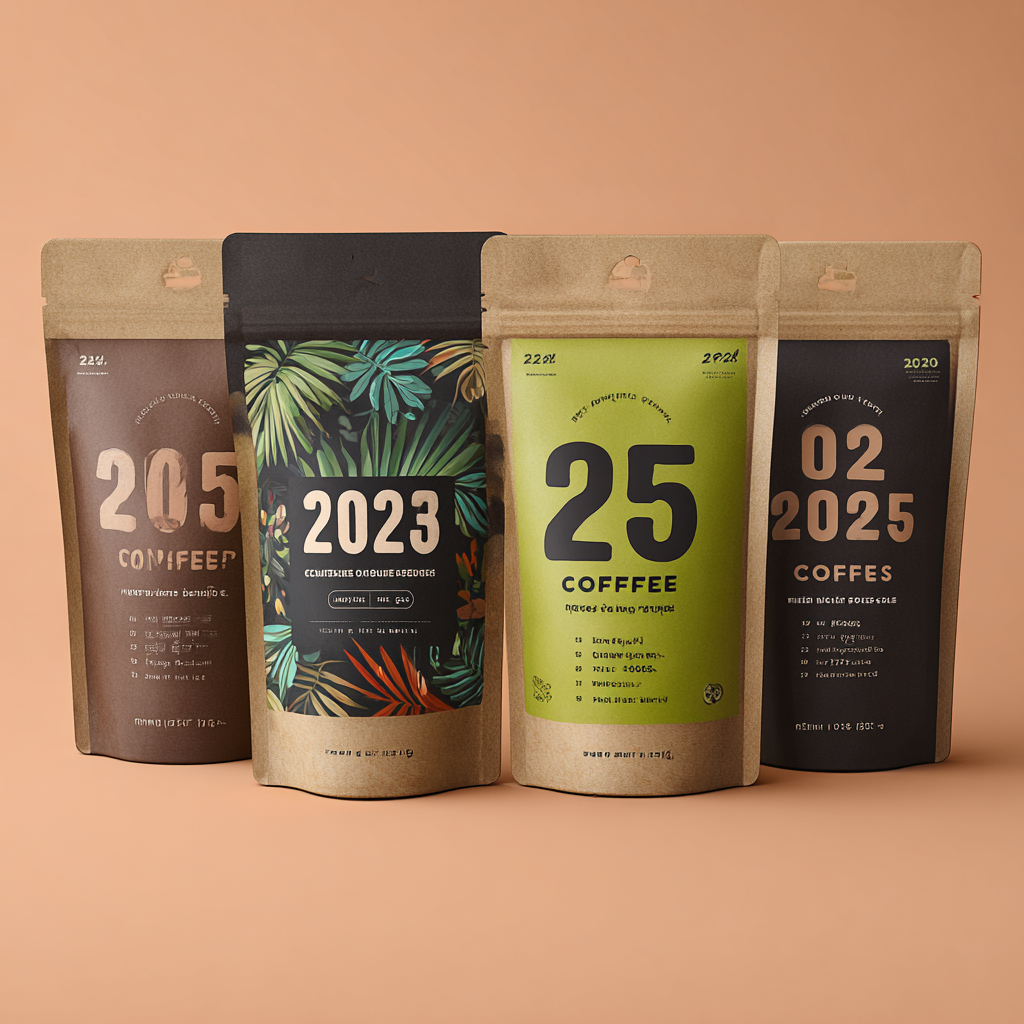
This guide is here to help you sort through all the options when it comes to choosing eco-friendly coffee pouches. We’ll look at different materials, designs, and practices that not only keep coffee lovely and fresh but also lessen environmental impact. Things like barrier properties, whether the packaging can be recycled easily, and the overall carbon footprint from making and tossing these pouches are super important, especially if your goal is to meet both customer expectations and environmental standards.
Getting a good handle on what makes a coffee pouch eco-friendly can actually help your business do two great things at once: deliver top-quality coffee and stay committed to caring for the environment. Striking that balance isn’t just about today’s customers; it’s about helping build a greener, better future for everyone.
When considering eco-friendly coffee packaging, understanding the relationship between packaging materials and the freshness of coffee is crucial. Studies emphasize that packaging can significantly impact the shelf life and flavor retention of coffee beans. According to a report by the Specialty Coffee Association, improper packaging leads to a 30% increase in freshness loss within just a few weeks. This highlights the importance of selecting materials that provide an airtight seal and protection from light and moisture.
To achieve both freshness and sustainability, consider biodegradable materials like kraft paper or compostable plastic. Not only do these options minimize environmental impact, but they also offer durability and barrier properties essential for preserving coffee quality. Tips for choosing the right pouch include looking for multi-layer designs that provide effective moisture and oxygen control while ensuring ease of use for consumers.
Additionally, exploring innovations in packaging, such as plant-based alternatives and resealable features, can enhance both sustainability and user experience. Reports suggest that consumers are increasingly inclined to choose brands that prioritize eco-friendly packaging, indicating a growing market trend. By prioritizing these aspects, coffee brands can enhance their offerings while contributing positively to the environment.
The Huadi Customizable Super Pouch stands out as an innovative packaging solution designed to cater to the needs of liquid products across various sectors. Crafted from a multi-layer composite material, this pouch offers exceptional protection against moisture and oxidation, ensuring that the contents remain fresh and uncontaminated. According to a recent industry report by Smithers Pira, flexible packaging, like the Super Pouch, is projected to grow at a CAGR of 4% over the next five years, reaching a market value of $300 billion. This demonstrates the increasing shift towards versatile and efficient packaging solutions within the food and beverage sectors.
Particularly beneficial for products with stringent shelf-life requirements, the Super Pouch is making significant waves in the health supplements and pet food markets as well. A study by Technavio highlights that the demand for liquid packaging in the dietary supplement domain is expected to increase by 5% annually. This growth can be attributed to the ability of innovative solutions like the Super Pouch to not only preserve product integrity but also minimize waste—a critical factor as industries strive for sustainability. By effectively extending the shelf life of a wide range of liquid products, the Huadi Customizable Super Pouch is not only a practical choice but also aligns with the growing consumer preference for eco-friendly packaging.
: Biodegradable packaging can break down under natural conditions, but the time and conditions required can vary. Compostable packaging, on the other hand, is specifically designed to break down into non-toxic components in a compost environment typically within 90 to 180 days.
The biodegradable packaging industry is projected to reach a market size of $11.61 billion by 2027, indicating a growing consumer preference for sustainable packaging options.
Compostable pouches are often made from materials like PLA (polylactic acid), which is derived from cornstarch, and helps in preserving the aromatic qualities of coffee while reducing landfill waste.
Some biodegradable pouches, like those used by Brand A, feature a one-way valve that allows gases to escape while preventing air from entering, which helps preserve the coffee’s flavor.
Brand B has transitioned to using recycled materials for their coffee packaging by sourcing post-consumer plastics, which significantly reduces new plastic waste, and they have designed resealable pouches to enhance freshness and convenience.
Choosing eco-friendly packaging supports product freshness and minimizes environmental impact, aligning with consumer expectations for sustainability in the coffee industry.
Compostable materials break down into non-toxic components when disposed of correctly, offering superior freshness retention and contributing to a healthier environment.
Not necessarily; biodegradable packaging may take longer and requires specific conditions to break down, while compostable packaging is designed to decompose in a compost environment within a defined timeframe.
In the pursuit of sustainable practices within the coffee industry, the selection of eco-friendly coffee packaging pouches has emerged as a vital consideration for both freshness and environmental impact. Understanding how different materials—like biodegradable and compostable options—affect the preservation of coffee flavor and aroma is crucial. Additionally, the barrier properties of these pouches play a significant role in maintaining the integrity of the product. As industry trends shift towards sustainable packaging, consumer preferences increasingly lean towards eco-friendly options, driving brands to innovate in this space.
Case studies highlight leading companies that successfully implement sustainable coffee packaging solutions, demonstrating the potential for ethical practices to influence purchasing decisions. Dongguan Huadi Packaging Products Co., Ltd. is at the forefront of providing high-quality packaging solutions that cater to the evolving needs of various industries, including coffee, and supports the movement towards greener alternatives in packaging.
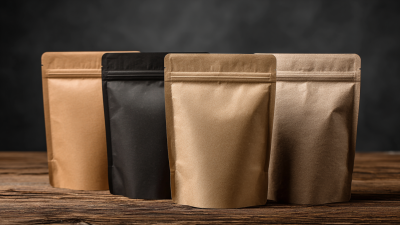
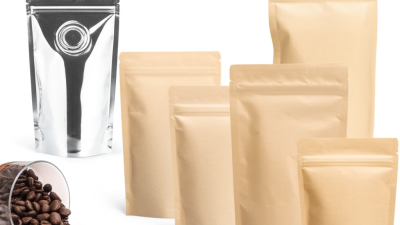

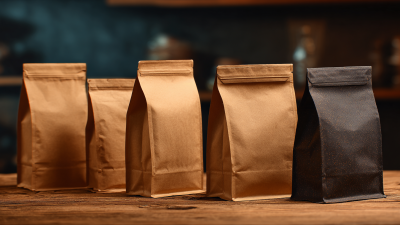


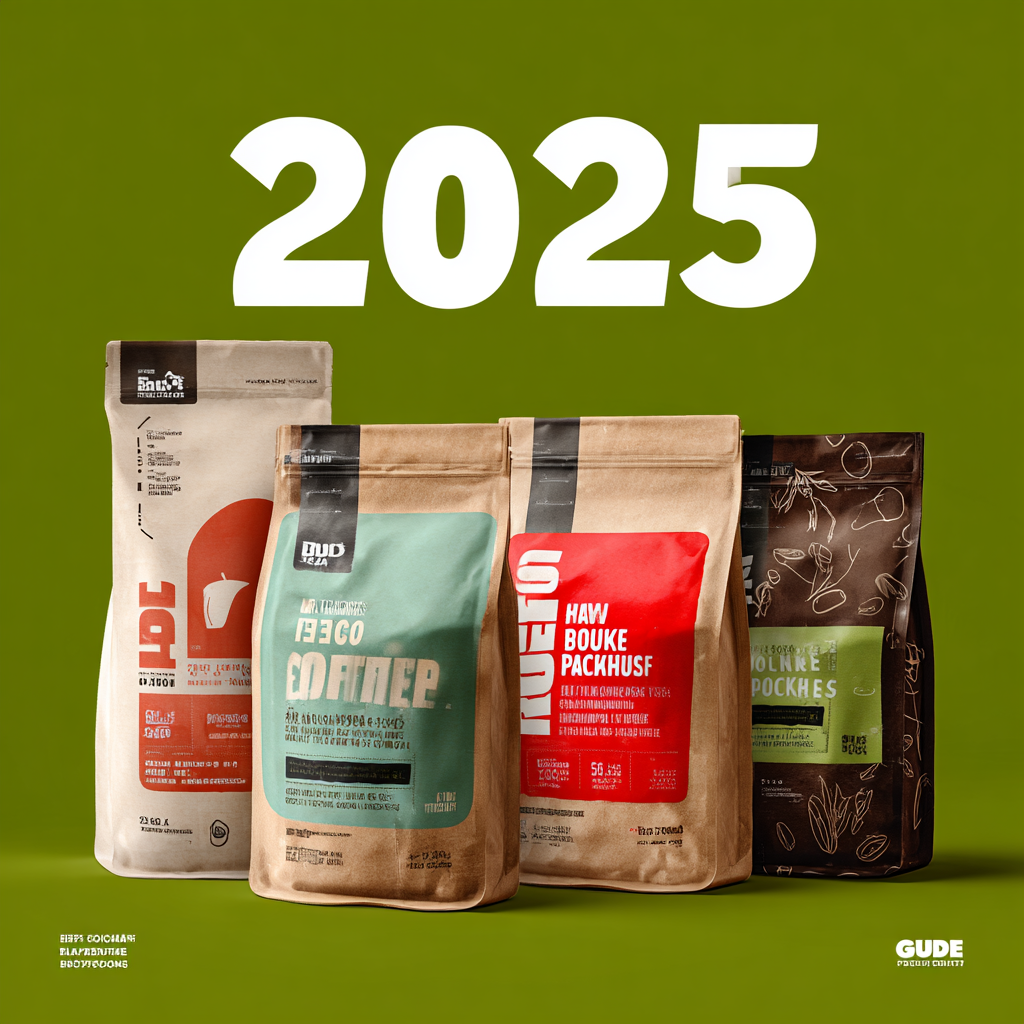
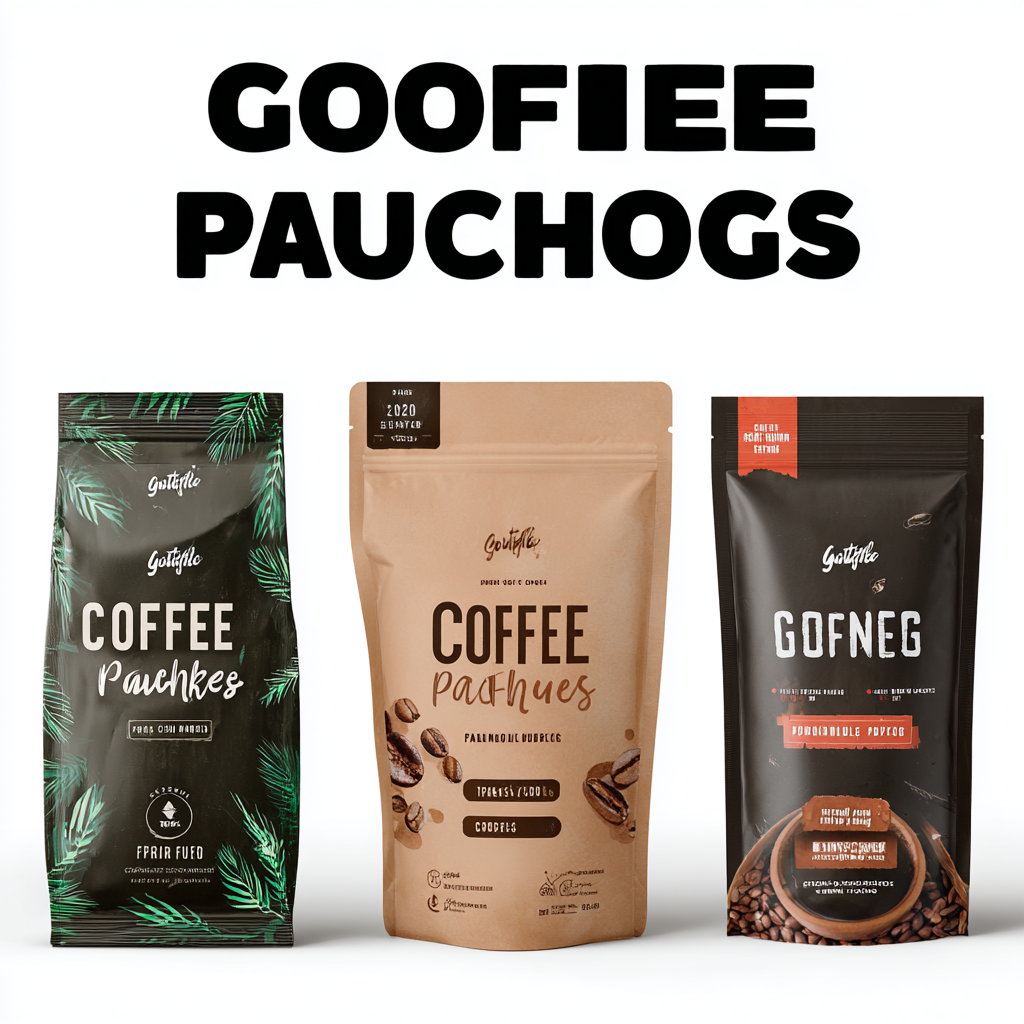 When selecting eco-friendly coffee packaging pouches, understanding the critical barrier properties is essential to preserving the coffee's flavor and aroma. Effective barrier materials play a significant role in protecting coffee from light, oxygen, and moisture—elements that can degrade its quality. For specialty green coffee, which is noted for its complex flavors, high-quality storage bags are paramount to safeguard its unique characteristics. The need for advanced packaging solutions has never been more urgent, given the premium placed on freshness in today’s coffee market.