





Retortable Composite Packaging Bags: High Heat Resistance for Sterile Food Packaging
2026-09-17
1. Technical Characteristics of High Heat Resistant Retortable Composite Packaging Bags
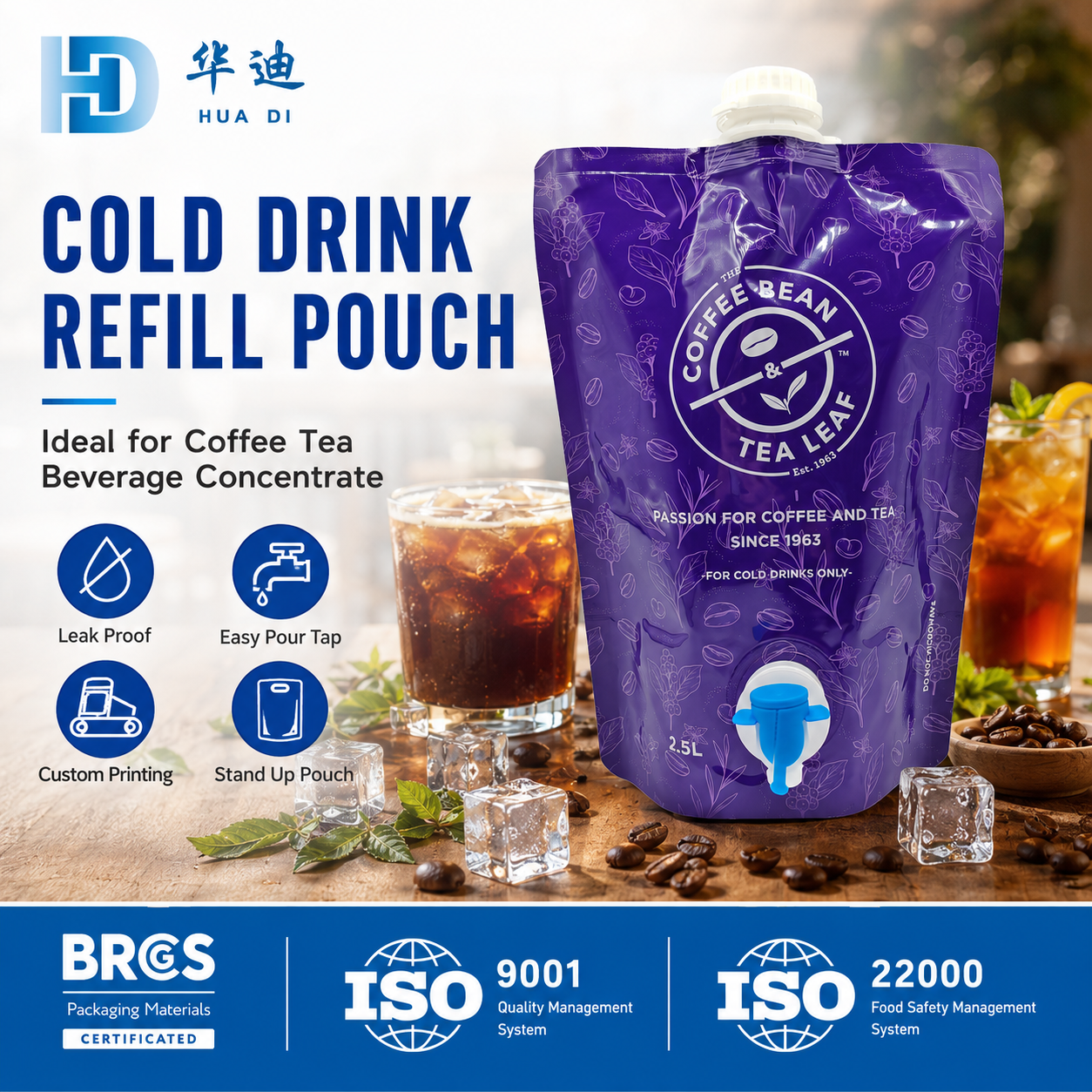
Define retortable composite packaging bags as high-temperature resistant flexible Packaging Solutions for food sterilization. Explain the special composite material formula and lamination process that enable retort composite bags to withstand 121°C–135°C high-temperature sterilization. Compare retortable composite packaging with ordinary food composite bags in heat resistance and structural stability.
2. Core Advantages of Retort Composite Packaging for Sterile Food Production
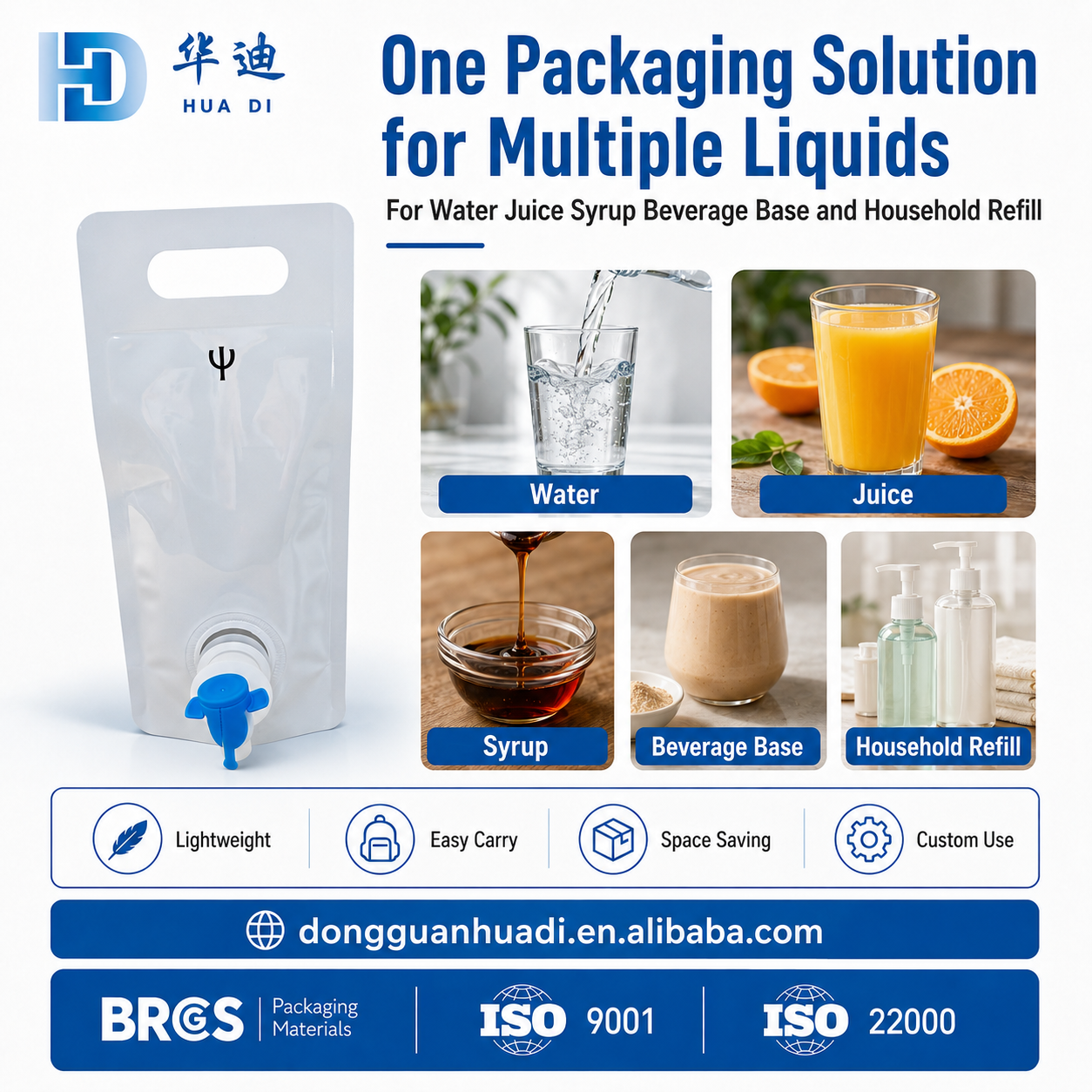
Elaborate on three key values of retortable composite Packaging Bags. High-temperature sterilization resistance supports integrated packaging and sterilization processes to improve food production efficiency. Sealed retort composite structures realize sterile isolation and extend food shelf life without preservatives. Flexible composite packaging reduces post-sterilization product breakage rate compared with rigid packaging.
3. Application Scenarios & Performance Testing Standards

Cover mainstream sterile food categories applicable to retortable composite packaging bags, including ready-to-eat meals, canned foods, stewed snacks, and vacuum-packed meat. Introduce mandatory performance testing items for retort composite packaging, such as high-temperature aging resistance, seal integrity, and material safety. Provide selection guidelines for different sterilization process requirements.