request to quote
Leave Your Message
0%

Liquid pouch packaging is really starting to break out of its niche and is now making waves in everyday food, drinks, personal care, and household products. According to Smithers’ report, *The Future of Flexible Packaging to 2028*, flexible packaging is seen as a huge growth area thanks to its lightweight design and better barrier technologies. The Flexible Packaging Association also shared that U.S. sales for flexible packaging hit around $39.6 billion in 2022. But here’s the thing—these numbers aren’t exactly apples to apples because their market boundaries are a bit different. That’s actually pretty important to keep in mind.

Now, if you’re a global buyer looking for the top liquid pouch manufacturers, you’ve gotta go beyond just capacity. It’s really about checking out stuff like filling accuracy, how strong the seals are, barriers against oxygen and moisture, whether they offer recyclable options, printing quality, lead times, and whether they have solid quality systems in place. I mean, sure, a pouch might look super appealing on a sample table, but don’t forget—after weeks of heat, vibrations, or stacking in a warehouse, it could fail. Those little details actually matter a lot. Things like spout torque, film consistency, and especially how well the supplier communicates are critical, too.

Michael Nieuwesteeg, who’s a packaging expert and Managing Director at NVC Netherlands Packaging Centre, keeps it real: “Packaging is a system, not just a container.” That’s a really useful way to think about Pouch Liquid suppliers. The best manufacturers don’t just promise the moon—they combine material science, filling expertise, traceability, and practical testing to back things up. Plus, they’re upfront about limitations rather than over-promising. Some sustainability claims can be tricky to verify. For example, just because a pouch uses less material doesn’t automatically mean it’s better for the environment overall.

So, in this guide, we focus on manufacturers who have real, measurable capabilities, relevant certifications, experience in exporting, and transparent technical info. Think of this list as a starting point for your search—not the final decision. It’s all about doing your homework and making an informed choice.
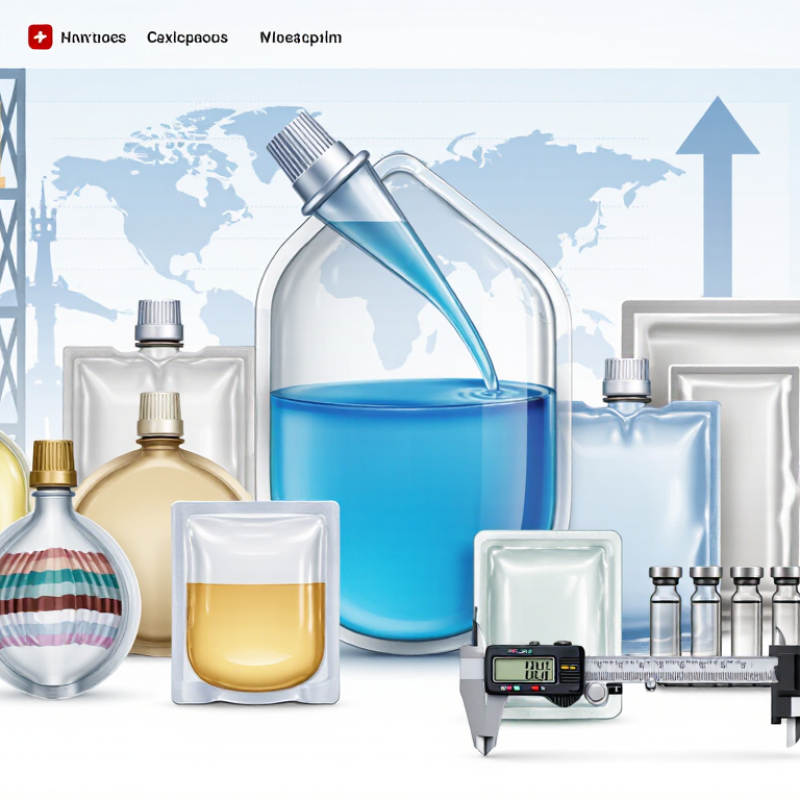
Top 10 Liquid Pouch Manufacturers for Global Buyers?

Define Liquid Pouches by Format, Film Structure, and 2024 Market Data

A Liquid Pouch is a flexible package designed to hold and dispense fluids. Common formats include flat pouches, stand-up pouches, spouted pouches, and retort pouches. Flat designs suit single-use portions, while stand-up formats provide shelf stability. Spouted pouches improve controlled pouring and reduce mess during use. Retort versions require stronger seals and heat-resistant materials. Small details matter.

Film structure determines performance. A typical pouch may combine an outer polyester layer, a printed barrier layer, and an inner polyethylene sealing layer. Polyester adds strength and print clarity. Polyethylene supports heat sealing and product contact. Aluminum foil offers strong protection from oxygen and light, while EVOH can provide barrier performance with lower material thickness. However, no structure fits every liquid. Acidic products, oils, detergents, and high-temperature filling require different validation tests.

Published 2024 packaging studies showed continued demand for lightweight flexible formats, especially in portion control, home delivery, and travel-sized products. Many buyers also requested recyclable mono-material films, yet real recycling access remains uneven across regions. That gap deserves careful attention. A pouch labeled recyclable may still face limited collection or sorting options. During supplier evaluation, global buyers should compare seal strength, drop resistance, barrier data, filling speed, and compliance documents. Factory trial samples reveal problems that brochures often hide.

Top 10 Liquid Pouch Manufacturers for Global Buyers: 2024 Format Mix

Estimated global liquid pouch demand share by pouch format, excluding company and brand-level sales data

Stand-up pouches represent the largest format because they combine shelf visibility, resealability, and efficient logistics. Flat pouches remain widely used for single-serve products, while bag-in-box inner pouches are common for foodservice, beverage, and bulk liquid applications. Typical structures include mono-PE films for recyclable designs, PE/PA for improved puncture resistance, PET/PE for printability and stiffness, and PET/aluminum/PE for high-barrier protection.

Data basis: rounded 2024 industry-report estimates and public flexible-packaging market analyses. Market shares vary by geography, application, and whether bag-in-box and retort formats are included.

Set Top-10 Criteria Using Smithers, ISO 22000, FDA, and EU 10/2011

Top 10 Liquid Pouch Manufacturers for Global Buyers

Set Top-10 Criteria Using Smithers, ISO 22000, FDA, and EU 10/2011

Global pouch demand is rising, but supplier quality remains uneven. Smithers’ flexible packaging outlook forecasts the market will exceed US$300 billion by 2028. That growth increases sourcing pressure. A practical Top-10 list should score food-contact safety, process control, testing depth, and export experience. ISO 22000 certification shows a structured food-safety management system. It does not prove every pouch is suitable for every product. Buyers still need batch records, migration tests, and material specifications.

For FDA-related markets, request a clear food-contact compliance statement and supporting test results. For European sales, check compliance with Regulation (EU) No 10/2011, including overall and specific migration limits. Ask whether the supplier controls adhesives, inks, seals, and recycled content. Small details matter. A weak seal can leak during a hot warehouse journey. Smithers also highlights sustainability and lightweighting as major flexible-packaging trends, yet thinner films may reduce puncture resistance. That trade-off deserves evidence, not promises.

Tips: Build a weighted scorecard before contacting manufacturers. Give compliance 30%, quality systems 25%, testing 20%, capacity 15%, and communication 10%. Visit the production floor when possible. Look for clean zones, calibrated instruments, and traceable rolls. I would also test real samples under transport conditions. A supplier may pass laboratory checks but fail after vibration, pressure, or temperature changes. Some criteria will need revision. That is normal.

Compare Manufacturers by Capacity, MOQ, Lead Times, and Export Coverage

Choosing among the top liquid pouch manufacturers requires more than comparing quoted prices. Capacity should match your forecast, not an impressive factory figure. Ask for monthly output, filling-line details, and recent production evidence. A supplier producing 500,000 Liquid Packaging Pouch units monthly may be suitable for regional demand, but insufficient for a sudden international launch. Request samples from the same material structure and sealing process used in mass production.

MOQ affects inventory risk. Lower minimums help new buyers test demand, while larger orders can reduce unit costs. Confirm whether the MOQ applies per design, size, or combined shipment. Lead times also need careful review. Standard production may take 20–35 days, but printed film approval, tooling, and port congestion can add delays. Get each stage in writing. Vague schedules create expensive surprises.

Tips: Compare capacity, MOQ, lead time, and export coverage in one table. Check destination experience, packaging documents, labeling support, and shipping terms. Ask how defects are inspected before dispatch. A practical test order can reveal weak seals, inconsistent filling, or slow communication. Do not rely only on factory tours or polished samples. Some quotes look competitive until freight and compliance checks appear. I have found that realistic forecasts often matter more than the lowest price, although buyers sometimes learn this too late.

Evaluate Barrier Performance Through ASTM D3985 and ASTM F1249 Testing

Top 10 Liquid Pouch Manufacturers for Global Buyers: Testing Barrier Performance

Liquid Pouch Packaging must protect against oxygen and moisture during filling, storage, and transport. Smithers’ 2024 flexible packaging outlook forecasts continued growth in high-barrier formats, driven by food, beverage, and household applications. Market growth alone proves little. Measured performance matters more.

ASTM D3985 measures oxygen transmission using a coulometric sensor. ASTM F1249 measures water vapor transmission through a modulated infrared sensor. Together, these tests show how a pouch film responds to two common failure routes. Oxygen can dull flavor and accelerate oxidation. Moisture can soften powders, change viscosity, or weaken seals. Testing should use defined temperature, humidity, film direction, and conditioning time. Otherwise, supplier comparisons become misleading.

ASTM data needs context.

A 2023 Grand View Research assessment valued the global flexible packaging market at more than USD 200 billion, showing intense competition among converters and material suppliers. Yet a low reported transmission rate does not guarantee field reliability. Punctures near a corner, microscopic seal channels, and rough handling can defeat an excellent laminate. I would request raw test curves, specimen thickness, replicate results, and seal-area testing before selecting among the top ten manufacturers. This extra review feels slow, but it often exposes assumptions hidden by a single headline number.

Rank Food, Beverage, Cosmetic, and Chemical Pouch Specialists Separately

Top 10 Liquid Pouch Manufacturers for Global Buyers?

A reliable top-ten list should separate food, beverage, cosmetic, and chemical specialists. That split matters. Smithers’ 2024 flexible packaging study reports continued growth in packaged food and beverage applications through 2028. These sectors demand stable seals, accurate filling, and strong barrier layers. Food specialists should hold ranks 1–3, based on retort capability, food-contact documentation, and high-speed production experience. Beverage specialists fit ranks 4–6, especially for spouted pouches, concentrates, and dairy liquids. Seal quality matters.

Cosmetic pouch manufacturers deserve ranks 7–8. Their strengths include low-volume customization, attractive printing, controlled dispensing, and compatibility testing with oils or active ingredients. Grand View Research estimated the global pouch packaging market at more than 46 billion US dollars in 2023. However, market size alone cannot prove manufacturing quality. A supplier’s test records matter more. Buyers should request drop tests, burst tests, migration reports, and batch traceability before approval.

Chemical pouch specialists should occupy ranks 9–10, judged by chemical-resistance testing, reinforced structures, and documented handling procedures. MarketsandMarkets identifies barrier performance and flexible transport formats as major packaging priorities in industrial applications. Yet, supplier information is often self-reported. That weakness needs attention. I would also examine factory audits, complaint rates, lead-time history, and sample consistency. The best manufacturer is not always the largest. A smaller converter may provide better technical support, but its backup capacity could be limited. That trade-off should remain visible in any global buyer ranking.

Audit Sustainability with Recycled Content, Monomaterial Films, and LCA Data

For global buyers comparing the Top 10 Liquid Pouch Manufacturers, sustainability claims need physical evidence, not polished brochures. Ask for a current bill of materials, recycled-content percentage, and certificates tracing resin from converter to production line. A Liquid Storage Pouch may contain post-consumer or pre-consumer material, and the distinction changes its environmental value. Request batch records, supplier declarations, and test results for seal strength, drop resistance, and chemical compatibility. Small details matter. A pouch that leaks during transport creates product loss and unnecessary waste.

Monomaterial films deserve a closer technical review. “Mono” can describe one dominant polymer while coatings, inks, adhesives, or spouts remain different materials. Check the full structure, not the sales label. Ask whether the film fits existing recycling streams in the target market, and whether collection actually exists there. Pilot samples should be filled, heat-sealed, stacked, chilled, and handled like real shipments. Laboratory performance helps, but warehouse abuse often tells another story.

LCA data supports fair comparisons when its boundaries are visible. Review the functional unit, transport distances, electricity mix, recycled-content assumptions, and end-of-life scenario. Prefer data reviewed by an independent specialist, with revision dates and uncertainty ranges. Some suppliers may lack complete figures. That is a weakness worth recording, not hiding. Buyers can use a scorecard covering carbon emissions, water use, recyclability evidence, worker-safety practices, and corrective-action history. Sustainable packaging remains a moving target.

Top 10 Liquid Pouch Manufacturers for Global Buyers? - Audit Sustainability with Recycled Content, Monomaterial Films, and LCA Data

Anonymous supplier comparison for procurement pre-screening. Sustainability claims should be validated against current certificates, product specifications, chain-of-custody records, and an independent life-cycle assessment.

Rank Anonymous Manufacturer Primary Liquid Pouch Applications Recycled Content Position Typical Recycled Content Range Monomaterial Film Options Barrier Structures Available LCA Data Availability Relevant Audit Evidence Common Certification Scope Global Buyer Consideration
1 Manufacturer 01 Juices, dairy beverages, sauces, liquid detergents Partial integration 0–30% post-consumer or certified circular content, depending on structure and end use PE and PP platforms Standard, high-barrier, retort-compatible, and oxygen-scavenging options Selected product LCAs or footprint studies Material declaration, recycled-content test report, supplier chain-of-custody records Food-packaging hygiene, quality-management, environmental-management, and mass-balance certification where applicable Strong option for multinational programs requiring several film structures and regional production support
2 Manufacturer 02 Pet food, baby food, ready meals, medical nutrition Application-dependent 0–25% recycled content for selected non-sensitive or approved applications Recyclable PE structures High-oxygen-barrier PE, aluminum-laminate, and retort structures Product-level LCA support available on request Migration testing, declaration of compliance, barrier testing, and change-control documentation Food-safety packaging standard, ISO 9001, ISO 14001, and responsible sourcing documentation Suitable where regulatory documentation and controlled filling performance are higher priorities than maximum recycled content
3 Manufacturer 03 Water, sports drinks, concentrated beverages, household liquids Commercially available for selected grades Up to approximately 30% recycled or certified circular feedstock, subject to format and market rules PE monomaterial and downgauged PE films Medium-barrier PE, EVOH-containing recyclable structures, and standard laminates Corporate footprint data; product LCA varies by project Mass-balance certificate, PCR verification, film gauge records, and recyclability assessment ISO 14001, ISO 50001 or equivalent energy systems, food-contact compliance, and packaging hygiene audits Competitive for lightweight pouches and high-volume beverage projects with clear recycling-design targets
4 Manufacturer 04 Liquid coffee, sauces, cooking oils, dressings Limited by oxygen and aroma requirements 0–20% recycled content in approved film layers or certified circular feedstock routes PE mono-material under defined barrier conditions High-aroma-barrier, high-oxygen-barrier, and aluminum-based structures Environmental data available for selected materials Oxygen-transmission rate, aroma-retention data, food-contact declaration, and supplier audit reports Food-safety management, ISO 9001, ISO 14001, and customer-specific quality approvals Best suited to products where shelf life and aroma protection cannot be compromised by a simplified structure
5 Manufacturer 05 Liquid soap, shampoo, personal-care refills, cleaning concentrates Broad non-food application coverage 15–50% recycled content in selected PE or polypropylene-based formats PE and PP recyclable structures Moisture-barrier, chemical-resistant, and standard high-barrier films Comparative footprint studies available for selected formats Recycled-content certificate, chemical compatibility test, seal-strength data, and recyclability statement ISO 9001, ISO 14001, responsible-sourcing policies, and retailer packaging assessments Attractive for refill systems where recycled content, low package weight, and chemical resistance are equally important
6 Manufacturer 06 Industrial fluids, agricultural products, lubricants, pet-care liquids Primarily non-food applications 20–50% recycled content may be feasible after compatibility and performance validation PE-based recyclable film options Chemical-resistant, puncture-resistant, and high-barrier laminate structures Usually project-specific rather than publicly standardized Chemical-resistance testing, drop testing, puncture testing, seal integrity, and dangerous-goods review where required ISO 9001, ISO 14001, occupational-safety systems, and customer technical approvals Useful for demanding logistics environments, but buyers should require a complete end-of-life and chemical-compatibility review
7 Manufacturer 07 Retort meals, soups, curry, baby and medical foods Generally restricted for retort-sensitive structures 0–10% in selected components or certified circular feedstock, subject to food-contact approval Emerging recyclable high-barrier structures Retort laminate, high-temperature barrier, and puncture-resistant structures LCA data normally prepared for specified products Retort validation, thermal aging, migration, seal integrity, and shelf-life studies Food-safety packaging standard, ISO 9001, HACCP-based controls, and customer qualification audits Prioritize validated thermal performance; recycled-content and mono-material claims require especially careful technical review
8 Manufacturer 08 Frozen fruit, puree, dairy alternatives, smoothie concentrates Available in selected grades 10–30% recycled or certified circular content, depending on freezing and seal requirements PE mono-material for selected frozen products Freezer-resistant, moisture-barrier, and moderate-oxygen-barrier structures Material footprint information available for key formats Cold-temperature impact testing, seal testing, recycled-content documentation, and food-contact compliance Food-safety management, ISO 9001, ISO 14001, and packaging-recyclability assessment Good fit for cold-chain products where flex-crack resistance and seal performance are critical purchasing criteria
9 Manufacturer 09 Milk, yogurt drinks, plant-based drinks, nutrition beverages Controlled use in approved applications 0–25% recycled content or certified circular feedstock, subject to food-contact and odor requirements Recyclable PE options under development or commercial qualification Light-barrier, oxygen-barrier, and aseptic-compatible structures Carbon-footprint and product comparison data available for qualified projects Aseptic or extended-shelf-life validation, migration tests, light transmission, and odor testing Food-safety packaging certification, ISO 9001, environmental-management systems, and customer audits Suitable for beverage programs that need shelf-life protection, filling-line compatibility, and measurable package-weight reduction
10 Manufacturer 10 Small-format sauces, condiments, travel packs, e-commerce refills Flexible for non-retort formats 20–50% recycled content may be available in selected PE structures and non-food formats PE mono-material and recyclable laminate alternatives Standard barrier, grease-resistant, and puncture-resistant films Supplier footprint data available; independent LCA subject to project scope Film specification, recycled-content verification, seal-window testing, transport simulation, and recyclability evidence ISO 9001, ISO 14001, food-contact compliance where relevant, and customer quality audits Strong option for shorter lead times and customized small pouches, provided minimum-order quantities are confirmed early

Audit note: Recycled-content percentages are indicative qualification ranges, not universal supplier guarantees. Before contracting, request current technical data sheets, third-party recycled-content verification, food-contact or chemical-compliance documents, monomaterial recyclability evidence, product carbon-footprint boundaries, LCA methodology, and site-level certification records.

Outdoor Bag-in-Box Packaging Trends: Insights from Smithers and Grand View Research for Huadi’s 1L–10L Super Pouch

Outdoor bag-in-box packaging is evolving as campers, hikers, and climbers seek solutions that are lightweight, durable, and easy to carry. Current market trends highlight growing demand for flexible formats that reduce unnecessary bulk while supporting convenient storage and transport. Compared with rigid containers, a compact pouch can make better use of limited backpack space and adapt to different outdoor activities, from weekend camping to extended climbing trips.

Designed for capacities from 1 to 10 liters, this customized super pouch offers a practical balance between portability and storage. The 5-liter option provides generous room for essential outdoor supplies while remaining compact and lightweight for effortless transport. Its flexible structure is suitable for organizing equipment, personal items, food-related accessories, or other adventure necessities, helping users keep their packs neat without adding excessive weight.

Customization adds another layer of appeal for modern outdoor enthusiasts. Users can select a distinctive appearance that reflects their personal style, group identity, or adventure theme, turning functional equipment into a memorable part of their journey. With its space-saving design, versatile capacity, and personalized presentation, this bag-in-box super pouch is made for people who want reliable performance and stylish practicality wherever the trail leads.

FAQS

What is a liquid pouch?

It is flexible packaging designed to hold and dispense fluids. Common formats include flat, stand-up, spouted, and heat-resistant versions.

Which pouch format suits single-use products?

Flat pouches work well for single-use portions. They use little space. They may not stand upright.

Why choose a spouted pouch?

A spout supports controlled pouring and reduces mess. It helps with sauces, drinks, and household liquids.

What layers are commonly used in pouch films?

A typical structure combines polyester, a barrier layer, and polyethylene. Each layer performs a different job.

How does the barrier layer protect liquid products?

Aluminum can block oxygen and light effectively. Another barrier material may reduce thickness. The correct choice depends on the liquid.

Do all liquids need the same pouch structure?

No. Acidic liquids, oils, detergents, and hot-filled products need different validation tests.

What should buyers check before selecting a supplier?

Compare seal strength, drop resistance, barrier data, filling speed, and compliance documents. Request real factory samples.

Why are factory trial samples important?

Brochures may hide weak seals or slow filling. Samples can reveal leaks after vibration, pressure, and temperature changes.

What do oxygen and moisture transmission tests show?

Oxygen testing measures air passage through the film. Moisture testing measures water vapor passage. Both need controlled conditions.

Is a recyclable pouch recyclable everywhere?

Not necessarily. Collection and sorting systems vary by region. The label may promise more than local infrastructure can deliver.

Conclusion

This guide explains how global buyers can evaluate the top Liquid Pouch manufacturers through a practical, evidence-based framework. It first defines pouch formats, film structures, and key 2024 market considerations, then establishes selection criteria based on food-safety systems, ISO 22000, FDA requirements, and EU 10/2011 compliance. Manufacturers are compared by production capacity, minimum order quantities, lead times, customization options, and export coverage, helping buyers match suppliers with their operational needs.

The analysis also examines barrier performance using ASTM D3985 for oxygen transmission and ASTM F1249 for water vapor transmission. Separate evaluations are provided for food, beverage, cosmetic, and chemical applications, recognizing that each sector requires different protection and sealing performance. Finally, sustainability is assessed through recycled content, monomaterial film development, recyclability, and credible life-cycle assessment data. This approach enables buyers to select reliable suppliers based on measurable quality, regulatory readiness, logistics, application expertise, and long-term environmental performance.
Ethan

Ethan

Ethan is a dedicated marketing professional at Dongguan Huadi Packaging Products Co., Ltd., a company established in 2003 that specializes in delivering high-quality packaging solutions tailored to meet the diverse requirements of various industries. With extensive knowledge of the company's......
Previous China Best Parcel Bags for Global Buyers?