request to quote
Leave Your Message
0%

Looking for the best shipping cartons from China, but not just the cheapest ones? That’s a pretty common question from global buyers these days. Many want to find a supplier who can deliver reliable quality that holds up through the entire journey—not just a quick delivery at a low price. According to Smithers’ worldwide research on corrugated packaging, this market is booming, surpassing $200 billion annually and expected to keep growing through 2029. E-commerce is definitely a big part of that growth. But here’s the thing: volume doesn’t always mean quality. Just because a carton withstands a dry warehouse doesn’t mean it can handle sea transport, humidity, stacking, and repeated handling without falling apart.

Walter Soroka, who wrote 'Fundamentals of Packaging Technology,' describes packaging as 'the science, art, and technology of enclosing and protecting products for distribution, storage, sale, and use.' That’s a good reminder when you're checking out suppliers in China. It’s not just about the price—be sure to look closely at paper grades, flute structures, edge crush test results, bursting strength, printing quality, and compression performance. For heavier stuff, a well-designed shipping box might need five-ply corrugated board, but lighter products could be fine with just three-ply. It really depends on factors like weight, size, stacking height, and the routes it’ll travel.

Some industry resources, like FEFCO, keep highlighting how recyclable and efficient corrugated packaging can be. But don’t just take their claims at face value—ask for proof. Request details on recycled material content, fiber sourcing, and factory quality records. When possible, ask for samples before you commit to a big order—that’s a simple step that can save you from costly surprises later on.

Remember, there’s no one-size-fits-all when it comes to shipping cartons. Even seasoned buyers sometimes get carried away with lower prices and forget to prioritize moisture protection or durability. A good supplier should offer traceable inspections, reliable lead times, precise prototypes, and quick, clear communication. This guide aims to help global buyers compare Chinese shipping carton suppliers more confidently, with clearer standards and fewer assumptions along the way.
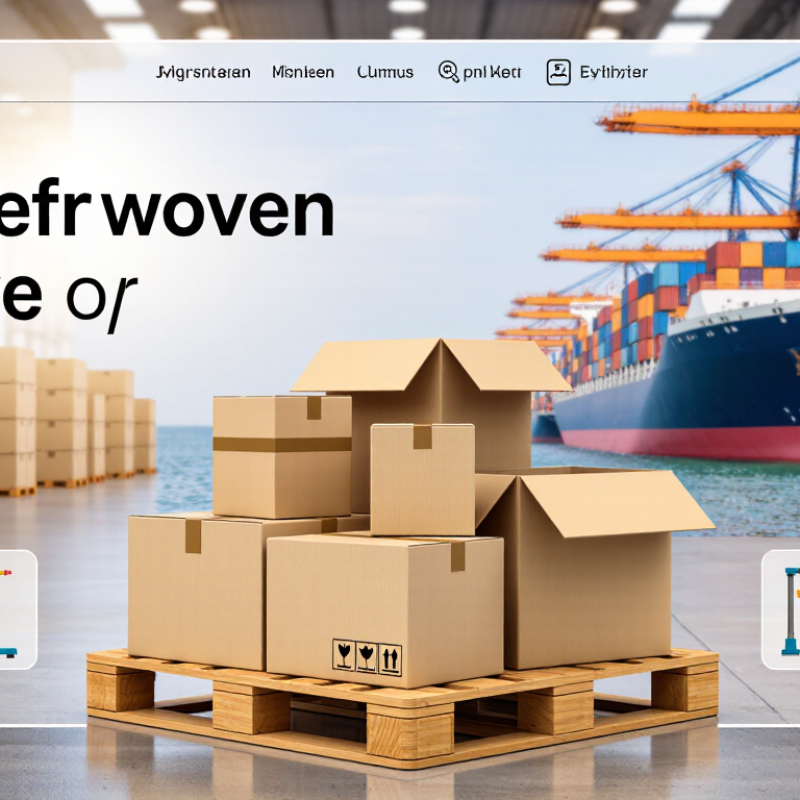
China Best Shipping Carton Supplier for Global Buyers?

What Makes China a Leading Source of Shipping Cartons?

China has become a leading source of shipping cartons because its manufacturing network is broad, flexible, and experienced. Suppliers can produce single-wall cartons for light products or double-wall designs for heavier loads. Many factories also offer custom dimensions, printed handling marks, and moisture-resistant coatings. This flexibility helps global buyers reduce empty space and improve warehouse efficiency. In practice, a well-fitted carton can lower damage rates during long-distance transport. It can also reduce unnecessary packing material.

Reliable sourcing requires more than comparing prices. Experienced buyers usually request samples, compression-test data, material specifications, and production photos. They also check whether the supplier follows consistent quality procedures. I have seen attractive samples fail when the board grade changed during mass production. That mistake is costly. Shipping Bags may suit soft or irregular products, but cartons often provide better stacking strength. Communication matters too. Clear drawings, approved samples, and written tolerances prevent avoidable misunderstandings.

Tips: Ask for a carton sample before ordering. Confirm internal dimensions, board strength, printing accuracy, and moisture protection. Request a pre-shipment inspection when order volume is significant. Compare total landed cost, not only the factory price. A supplier with responsive technical staff is often more dependable than the cheapest option. Still, no process is perfect. Buyers should review damage records and improve specifications after each shipment. Small changes, such as stronger corners or tighter packing, can make a measurable difference.

Key Types of Shipping Cartons Available from Chinese Suppliers

Chinese suppliers offer several shipping carton types for different loads, routes, and packing speeds. Single-wall corrugated cartons suit books, clothing, and small household goods. Double-wall cartons add cushioning for heavier items and longer transport. Triple-wall cartons support industrial parts, but they cost more and occupy extra warehouse space. Regular slotted cartons are efficient for repeated orders, while die-cut mailers provide cleaner presentation for compact products.

Smithers reported that the global corrugated packaging market was worth about US$205 billion in 2023, with continued growth expected through 2029. This demand encourages Chinese factories to provide flexible flute profiles, recycled paper grades, and custom dimensions. For Pack Shipping, buyers should request carton samples with the actual product inside. A box that looks strong can still collapse when stacked under humidity. Edge crush strength, bursting strength, and compression performance deserve written test records.

Tips: Compare ECT ratings, flute types, and internal dimensions, not only unit prices. Ask suppliers for drop-test evidence and moisture-control procedures. Keep the carton nearly full, but leave room for protective padding. I have seen buyers choose oversized cartons, then pay more for empty air. That decision looks small. It is not always small. Also check printing accuracy, bundle counts, and whether production samples match the approved sample. A cheaper carton may create higher damage costs later.

China Best Shipping Carton Supplier for Global Buyers? - Key Types of Shipping Cartons Available from Chinese Suppliers

Carton Type Typical Construction Common Material or Flute Typical Applications Main Advantages Important Considerations
Regular Slotted Carton (RSC) One-piece box with four flaps that meet at the center when closed Single-wall or double-wall corrugated board; B, C, E, or BC flute combinations General export packaging, e-commerce orders, appliances, hardware, and consumer products Cost-efficient, easy to manufacture, simple to seal, and suitable for automated packing lines Flap overlap and board strength should be selected according to product weight and stacking height
Full Overlap Carton (FOL) Outer flaps extend across the full width of the box and fully overlap Heavy-duty corrugated board, commonly double-wall or reinforced single-wall Dense or heavy products, industrial parts, tools, machinery components, and long-distance shipments Improved top-to-bottom compression and extra cushioning from overlapping flaps Uses more board than a standard slotted carton and may require more sealing material
Five-Panel Folder A scored wraparound blank with an attached fifth panel for overlapping closure Single-wall or double-wall corrugated board, often B or C flute Long products, flat components, furniture parts, picture frames, and irregular rectangular items Provides continuous protection around the product and reduces the need for separate end caps Accurate scoring and product dimensions are important for proper folding and fit
Die-Cut Mailer Box One-piece precision-cut box with integrated locking tabs and folding panels E-flute or B-flute corrugated board; kraft or white outer liner Subscription products, cosmetics, apparel, electronics accessories, and direct-to-consumer shipments Fast assembly, attractive presentation, and reduced need for adhesive tape Usually offers less stacking strength than a heavy-duty slotted carton of similar size
Half-Slotted Carton (HSC) Top flaps are omitted or shortened, leaving an open-top container Single-wall or double-wall corrugated board Bulk handling, warehouse storage, produce, bottles, and products loaded from the top Convenient loading and unloading; can be paired with a separate lid or stretch wrap Requires additional closure or covering when dust, moisture, or tamper protection is needed
Double-Wall Shipping Carton Two corrugated fluting layers separated by three liner sheets Commonly BC or EB flute combinations Heavy goods, export cargo, palletized shipments, and products requiring increased puncture resistance Higher compression strength and better cushioning than most single-wall cartons Heavier, thicker, and generally more expensive; requires sufficient storage space
Triple-Wall Shipping Carton Three corrugated fluting layers with four liner sheets Heavy-duty corrugated board with large or mixed flute profiles Very heavy or fragile industrial equipment, large components, and demanding export applications High stacking, puncture, and impact resistance when properly designed Higher material cost and shipping weight; oversized cartons may need reinforced handling
Partitioned Carton Outer carton fitted with corrugated dividers, cells, or separators E, B, or C flute carton with kraft corrugated inserts Glassware, bottles, small appliances, lamps, and multiple fragile units packed together Separates products, limits movement, and reduces contact damage during transport Insert dimensions must match the product closely; added components increase packing labor
Moisture-Resistant Carton Corrugated carton treated or coated to improve resistance to humidity or light moisture Wet-strength liners, water-resistant coatings, or wax-treated board where appropriate Cold-chain logistics, humid warehouses, marine transport, beverages, and outdoor distribution Helps maintain carton integrity in damp conditions and during temperature changes Not automatically waterproof; coating choice can affect recyclability and should match disposal requirements

Selection should be based on product weight, dimensions, fragility, stacking height, handling conditions, climate, and applicable packaging regulations.

How to Evaluate a Chinese Shipping Carton Manufacturer

Choosing a Chinese shipping carton supplier requires more than comparing prices. Smithers’ The Future of Global Corrugated Packaging to 2029 forecasts the global market will exceed US$200 billion by 2029. Rising demand also increases supplier differences. Ask for board grade, flute type, GSM, edge crush test, and burst strength records. A reliable manufacturer should explain each result clearly. Vague answers are warning signs.

Evaluate production evidence, not polished photographs. Request a factory audit, recent batch records, calibration certificates, and a traceable sample order. Test cartons under stacking, vibration, compression, and moisture conditions. The World Bank’s 2023 Logistics Performance Index ranked China 19th among 139 economies, but national logistics performance does not guarantee one factory’s consistency. One weak inspection can damage a full shipment. I have seen specifications change between samples and mass production. That gap deserves direct questioning.

Tips: Compare at least three suppliers using the same carton specification. Check whether recycled content affects strength in humid routes. Confirm production capacity during peak seasons, export packaging, lead time, and corrective-action procedures. Ask for pre-shipment inspection photos and random carton measurements. Do not accept only a passing sample. Repeat testing after material changes. A lower price may hide thinner paper, weaker seams, or unstable moisture resistance. Reflect carefully: the cheapest carton is not always the lowest-cost carton.

China Best Shipping Carton Supplier for Global Buyers?

How to Evaluate a Chinese Shipping Carton Manufacturer

This 100-point procurement framework prioritizes measurable carton performance, quality control, and export readiness. Buyers should verify ECT or BCT results, ISTA test capability, ISO 9001 procedures, material traceability, production consistency, and delivery reliability before selecting a manufacturer. The percentages represent a practical evaluation structure, not company rankings or market-share data.

Material, Strength, and Customization Standards to Compare

For global buyers comparing carton suppliers in China, start with the board, not the quoted price. Single-wall corrugated cartons suit many light products; heavier loads may need double-wall construction. Paper weight and flute profile both affect cushioning, stacking strength, and carton weight. Ask for the exact board specification, since “five-ply” alone does not describe its performance.

Look closely. Request samples made from the proposed materials, then check their dimensions, seams, and fit around your product. Edge-crush testing can help assess stacking resistance, while burst testing measures resistance to pressure. Neither test tells the whole story. A carton that performs well in a laboratory may still weaken after humidity exposure or rough handling, so trial shipments can reveal practical problems.

Customization should include more than printed colors. Confirm internal dimensions, closure style, inserts, and how artwork will be checked before production. Small changes matter: a few millimeters of extra space can allow a product to shift, while an overly tight fit can slow packing. Ask the supplier to document tolerances and sample approval steps. Trade-offs are real: stronger board may add cost and shipping weight, and elaborate printing can extend lead times. Compare those details against your handling conditions and packing workflow.

Ordering, Quality Control, and Export Procedures

China Best Shipping Carton Supplier for Global Buyers?

Ordering starts with specifications, not attractive samples. State carton dimensions, board grade, flute type, moisture resistance, printing limits, and monthly volume. The World Bank’s 2023 Logistics Performance Index evaluates customs, infrastructure, tracking, and timeliness. These factors matter during Long Shipping routes. Request a pre-production sample and a written tolerance sheet. A low price can hide weak edges, oversized cartons, or expensive empty space.

Quality control should combine supplier records with independent checks. The International Safe Transit Association recommends testing packages under compression, vibration, and impact conditions. For heavier goods, measure burst strength, edge crush strength, and box compression. Keep photographs of pallet stacking, corner protection, and container loading. The ISO 2859-1 sampling standard can support consistent inspection decisions. Still, sampling is not perfect. One approved carton may not represent an entire production run.

Tips: Confirm Incoterms, export documents, carton marks, and declared dimensions before payment. Ask for a moisture test after storage simulation. Use a third-party inspection before loading, especially when the order is urgent. Smithers’ industry analysis continues to identify e-commerce and transport efficiency as major corrugated-packaging demand drivers. That suggests lighter designs, but lighter is not always safer. Recheck the design after the first shipment, because actual handling often reveals weaknesses that laboratory tests miss.

Shipping Costs, Lead Times, and Supplier Communication

For global buyers, a shipping carton quote should show more than the price per box. Board grade, carton dimensions, printing, and order quantity all affect cost. So does packing density. A carton that ships flat may use less container space than one delivered assembled. Ask for the packed dimensions and pallet plan before comparing freight estimates. Small details matter.

Lead times need the same scrutiny. Request separate dates for sample approval, production, and dispatch. A clear schedule might include time for a printed sample, production checks, and loading. Keep a buffer for port congestion or changing vessel space. Estimates can move. A supplier who flags delays early is more useful than one who promises an unusually fast turnaround. A quote can still be wrong.

Communication is part of supply reliability. Share a simple specification sheet with internal dimensions, board construction, quantity, and delivery address. Ask the supplier to confirm each point in writing. Photos of a finished sample can help, but they do not replace checking fit with the actual product. I would also ask who sends updates and how often. One weak spot: buyers sometimes change artwork after approval, then expect the original schedule to hold. That is rarely realistic. Clear records make problems easier to trace.

How Global Buyers Choose the Best Carton Supplier

Global buyers should judge a carton supplier by how well its boxes perform, not by a low quote alone. Start with the product’s weight, dimensions, and route. A carton carrying glassware across several handling points needs different protection from one holding lightweight textiles. Ask about board grade, flute type, and available compression or drop-test records. Useful details matter.

Request a sample made to your specifications, then check its fit with the actual product. Look for crushed corners, loose flaps, uneven printing, or difficulty assembling the box. Ask how the supplier controls material changes between sample and production. Shipping Items may face humidity, stacking, and repeated handling, so discuss these conditions before approving an order. A neat sample is reassuring, but it cannot prove every production run will match.

Compare lead times, minimum order quantities, packaging options, and the supplier’s process for handling defects. Clear written specifications help prevent misunderstandings about dimensions and tolerances. Ask for progress updates and confirm how cartons will be packed for transport. No checklist catches everything. I would also allow time for a small trial order; it may reveal issues that a polished sales conversation misses. A supplier who answers specific questions plainly is often easier to assess than one who makes broad promises.

FAQS

What type of shipping carton suits light products?

Single-wall corrugated cartons work well for books, clothing, and small household goods. They are lighter. However, rough handling may require stronger protection.

When should I choose a double-wall carton?

Choose double-wall construction for heavier products, longer routes, or added cushioning. It usually handles stacking better. The trade-off is higher weight and cost.

What are triple-wall cartons used for?

Triple-wall cartons support heavy industrial parts and demanding loads. They need more warehouse space. That extra strength may be unnecessary for smaller products.

How can I compare carton strength accurately?

Request edge-crush, bursting, and compression test records. Compare the exact board specification and flute profile. “Five-ply” alone tells you too little.

Can laboratory tests predict real shipping performance?

Not completely. Humidity, drops, vibration, and rough handling can weaken cartons during transport. Use trial shipments to expose practical problems.

What should I check in a carton sample?

Place the actual product inside the sample. Check internal dimensions, seams, closure style, fit, and protective padding space. Measure carefully. A carton can look strong but still collapse when stacked.

How much empty space should a carton contain?

Keep the carton nearly full, while leaving enough room for protective padding. Oversized cartons create empty air and increase shipping costs. A few extra millimeters can also let products shift.

What customization details should buyers confirm?

Confirm dimensions, inserts, printing accuracy, tolerances, and artwork approval steps. Ask whether production samples match the approved sample. Small differences can slow packing or increase damage.

How do material choices affect total cost?

Stronger board can reduce damage but may increase unit price and shipping weight. Elaborate printing can extend production time. The cheapest carton is not always the cheapest decision.

Conclusion

China has become a major source of shipping cartons because its manufacturers offer broad production capacity, competitive pricing, flexible customization, and experience serving international buyers. Global customers can choose from single-wall, double-wall, heavy-duty, corrugated, die-cut, and printed cartons for different products and delivery conditions. When evaluating a supplier, buyers should review material quality, compression strength, moisture resistance, production equipment, customization capabilities, certifications, sample accuracy, and quality-control procedures.

A successful purchase also depends on clear communication and reliable export support. Buyers should confirm carton dimensions, paper grade, printing requirements, packing methods, order quantities, lead times, payment terms, and inspection standards before production begins. Freight costs, export documentation, delivery schedules, and response speed should be compared alongside the product price. The best Shipping Carton supplier is not always the cheapest option; it is the manufacturer that consistently provides suitable materials, stable quality, accurate delivery, transparent communication, and dependable service for long-term international cooperation.

Ethan

Ethan

Ethan is a dedicated marketing professional at Dongguan Huadi Packaging Products Co., Ltd., a company established in 2003 that specializes in delivering high-quality packaging solutions tailored to meet the diverse requirements of various industries. With extensive knowledge of the company's......
Previous Top 10 Liquid Pouch Manufacturers for Global Buyers?