Leave Your Message
-
Phone
-
E-mail
-
Whatsapp

-
Whatsapp

When it comes to global buyers picking out the right Parcel Bags, it’s really about more than just comparing prices. You gotta think about how well the bag protects your stuff along the whole journey — from sorting centers to trucks, warehouses, and finally right to the customer’s doorstep. Picture your clothing order sliding inside a gray mailer, braving the rain, pressure, and all that handling clutter. The bag’s seal, thickness of the film, how tough it is to tear, and the size all really matter here.
David Luttenberger, who’s the Global Packaging Director at Mintel, always reminds folks: “Packaging needs to perform well first — only then can it be sustainable.” That’s pretty much the golden rule for Parcel Bags too. Buyers should take a good look at the polyethylene types used, recycled content, how strong the adhesive is, whether it’s tamper-proof, and how consistent the production quality is. And trust me, always ask for samples before placing a big order. Because even a bag that looks sturdy enough might have issues — like splitting at a sharp corner of a box. Small tests often reveal the stuff you’d rather not find out the hard way.
Experience goes a long way here. Suppliers who follow documented quality procedures can give you clear specs, batch records, and inspection data, which is a huge plus. But nobody’s perfect — even trusted manufacturers can have slight color changes, weak seals, or delays in communication. Don’t ignore those warning signs. Make sure to ask practical questions about their factory capacity, how they approve samples, packaging conditions, and what kind of support they offer after the sale.
Sustainability’s also a tricky one. Using recycled materials instead of virgin plastic can definitely cut down on waste, but they still need to meet your product’s performance needs. Going for a bag that’s too big wastes material and bumps up shipping costs. On the flip side, a bag that’s too small might damage your product and cause unhappy customers. The trick is finding that sweet spot—balancing protection, efficiency, responsible sourcing, and reliable delivery.
This guide dives into the top Parcel Bag suppliers for international buyers, focusing on real proof rather than just fancy promises. Remember, you should test, review, and verify performance thoroughly before making any commitments.
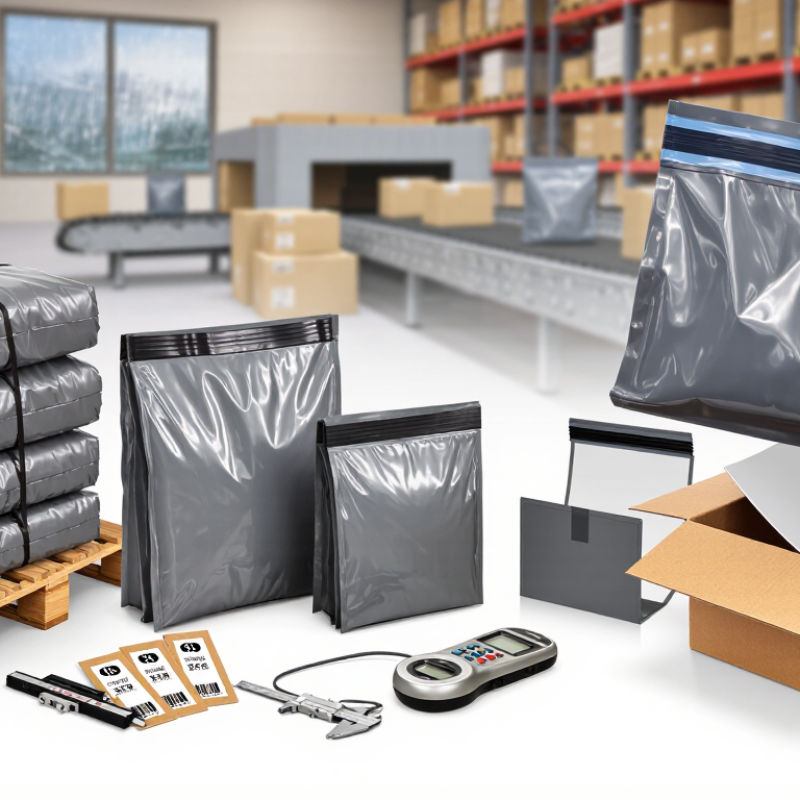
China has become a leading source of parcel bags because its supply network connects materials, production, printing, and export services. Buyers can compare recycled polyethylene, compostable films, paper mailers, and padded options in one market. This range supports different shipping conditions, from damp warehouses to automated sorting lines. In practical sourcing work, I have found that material samples reveal more than a product photograph. A sealed sample should survive pulling, folding, and rough handling.
Manufacturing depth also matters. Experienced factories can adjust bag thickness, adhesive strength, dimensions, and printing accuracy for specific parcel systems. Many suppliers maintain cutting, film-blowing, sealing, and inspection equipment on site. This reduces handoffs and makes defects easier to trace. Quality checks may include seal testing, drop testing, color comparison, and carton count verification. Small details matter. A weak flap can expose an entire shipment.
China’s export infrastructure adds another advantage. Container ports, freight agents, and established packaging workflows help buyers manage repeat orders. Some suppliers also provide pre-production samples, material declarations, and inspection records. Buyers should still verify these documents independently and request current test results. The process is not flawless. A low quotation may hide thin film, inconsistent sizing, or delayed communication. Clear specifications and a written approval sample reduce those risks. Even the phrase Bags On Bags needs context, because layered packaging can increase waste unless protection genuinely requires it.
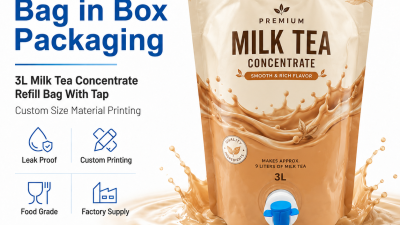
Custom 2L bag-in-box spout bags provide a practical solution for fresh, efficient milk tea concentrate packaging. The food-grade inner bag helps protect liquid contents from external contamination, while the secure tap supports clean, controlled dispensing in cafés, beverage shops, catering operations, and commercial kitchens. This format is also suitable for syrups, liquid seasonings, olive oil, sunflower oil, and other edible liquids that require reliable bulk packaging.
Designed with leak-resistant seals and durable multilayer materials, the bags help maintain product quality during storage and transport. Their lightweight, foldable structure takes up less space than rigid containers, reducing handling and warehouse requirements. A convenient spout allows staff to portion milk tea concentrate accurately, helping minimize spills, waste, and unnecessary exposure to air during daily use.
Available in customized sizes, fittings, and printed designs, these bag-in-box solutions can be adapted to different concentrate viscosities, filling systems, and service volumes. Food-grade certification, including BRC and ISO 9001/22000 compliance, supports safe packaging performance for kitchen and commercial applications. Factory-direct production enables consistent quality, flexible customization, and dependable supply for businesses seeking efficient liquid packaging.
Its supply network connects materials, manufacturing, printing, inspection, and export services. Buyers can compare several bag types in one market. This saves sourcing time. The process is not flawless.
Common options include polyethylene, recycled-content film, compostable film, paper, and padded materials. Each suits different shipping conditions. Paper may weaken in humid warehouses. Recycled film strength can vary.
Lightweight poly mailers often suit clothing, books, and other soft items. They resist moisture and include a peel-and-seal strip. Test the seams first.
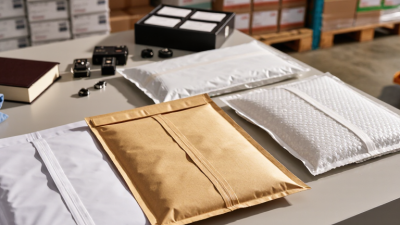
Padded mailers add cushioning for small electronics, cosmetics, and fragile accessories. A thicker bubble layer may handle routine impacts better. Protection still depends on product placement.
Not always. Paper may support recycling in some markets, but humidity can reduce its strength. Excessive printing may also complicate recycling. Compare the full shipping impact.
Request sealed samples and test pulling, folding, dropping, and rough handling. Measure at least ten bags. Check thickness, dimensions, seals, adhesive strength, and carton counts.
Factories may check film thickness, seal width, peel strength, tear resistance, dimensions, and print adhesion. Filled bags can undergo drop testing. Batch records help trace defects.
Ask for material declarations, inspection reports, test results, production tolerances, and an approved sample. Verify documents independently. Paperwork alone proves little.
Use clear written specifications and approve a physical sample before production. Discuss cold storage, humidity, sorting machines, and delivery conditions. A low price may hide thin film or delays.
China has become a major source of Parcel Bags because its packaging industry offers broad production capacity, flexible customization, competitive pricing, and access to diverse raw materials. Global buyers can choose from mailing bags, courier bags, padded envelopes, recyclable options, and tamper-evident designs in various sizes, colors, closures, and printing styles. Manufacturers typically use automated equipment, standardized processes, and inspections to control dimensions, sealing strength, tear resistance, appearance, and overall consistency.
When comparing suppliers, buyers should review material quality, recycled content, waterproof performance, opacity, adhesive reliability, and customization capabilities. It is also important to assess factory experience, communication, sample approval procedures, production lead times, and quality documentation. Total purchasing costs may include tooling, printing, packaging, certification, inland transportation, freight, insurance, customs duties, and destination charges. By evaluating these factors together and confirming suitable certifications and shipping arrangements, international buyers can select reliable Parcel Bags that meet practical, environmental, and market-specific requirements.