So, China's basically turned into the go-to place for flexible coffee packaging. Their factories crank out all kinds of stuff – printed laminates, recyclable films, flat-bottom bags, you name it. But for buyers, the real deal isn't just about getting the cheapest price. It's about performance, making sure you have all the paperwork in order, and knowing that production is going to be dependable. That's what really matters, you know?
You know, the International Coffee Organization just reported that we're drinking about 177.9 million 60-kilo bags of coffee worldwide in 2023/24. That's a ton of coffee, and it naturally means we need a lot of protective packaging to keep it fresh. On top of that, Smithers' research on flexible packaging shows that companies are still putting money into better barrier tech and more eco-friendly materials. So it's a busy market, for sure. These trends really shape how we design coffee packaging pouches, especially when you're dealing with roasted beans or ground coffee. You still have to worry about oxygen, moisture, light, and that precious aroma slipping away. Honestly, a pouch might look great on the shelf, but that doesn't necessarily mean it'll hold up at the seal—that's where the real test is.
So, when you're hunting for a Chinese supplier who's a good match for your coffee products, you've got to check if they've actually done this before. Don't just take their word for it – ask to see their migration documentation, material specs, seal-strength results, and batch traceability. Independent lab tests? Totally worth it. And don't forget factory audits and keeping some production samples on hand. Big names like Huhtamaki China or Mondi China might sound impressive, but honestly, brand recognition alone doesn't tell you much. What matters is the actual proof – real evidence, not just a fancy logo.
Honestly, there’s no such thing as a perfect supplier.
When you're picking a supplier, you really need to dig into the nitty-gritty—stuff like film structure, minimum order quantities, how precise their printing is, valve performance, lead times, and what they do when something goes wrong. Oh, and don't even get me started on recyclable packaging. That's a whole other beast because recycling systems vary so much from place to place. Some companies will throw around claims about being eco-friendly, but honestly, a lot of it is just vague marketing fluff. So, before you commit to mass production, you’ve gotta do your homework: crunch the technical data, talk directly with the factory, and test physical samples yourself. It’s a bit of a chore, but it’s the only way to make a sourcing decision you won’t regret later. Okay, so this guide – we're gonna dive into those factors and, you know, really break down how to find a China-based coffee pouch supplier that can actually deliver. I mean, it's not just about who's cheapest – it's about who's capable, and we'll show you the signs to look for.
What Defines a Reliable Coffee Packaging Pouch Supplier in China?
A reliable coffee packaging pouch supplier in China proves performance, not just appearance. The International Coffee Organization reported global coffee consumption of 177 million 60-kilogram bags in 2023/24. That scale demands stable materials, accurate printing, and repeatable sealing. A serious supplier should explain oxygen, moisture, light, and aroma barriers clearly. It should also provide food-contact documents, batch records, and test results. Flexible packaging is a major market. The Flexible Packaging Association reported U.S. sales of about 40 billion dollars in 2023. Buyers therefore need more than low pricing.
Factory experience becomes visible in small details. Ask for pouch samples from different production batches. Check zipper alignment, seal width, odor, and drop resistance. Request migration testing and barrier data for the exact structure. A supplier with ISO 9001 or BRCGS Packaging Materials certification may offer stronger control, but certificates alone prove little. Review audit dates and product scope. Confirm whether the factory controls lamination and slitting in-house. Outsourcing can increase lead-time risks. I have seen attractive samples fail during filling. That possibility deserves attention.
Tips: Request a written specification before ordering. Include pouch size, film structure, valve type, tolerance, and packing method. Ask for a pilot run before mass production. Compare actual lead times with quoted lead times. Keep sealed samples for future checks. A reliable supplier welcomes questions, admits limitations, and improves when a defect appears. That honesty can matter more than a polished sales presentation.
Which Types of Coffee Packaging Pouches Are Available?
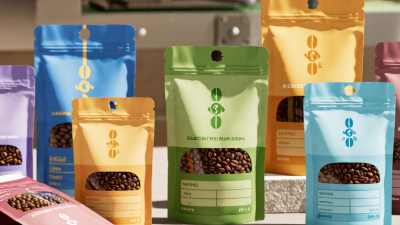
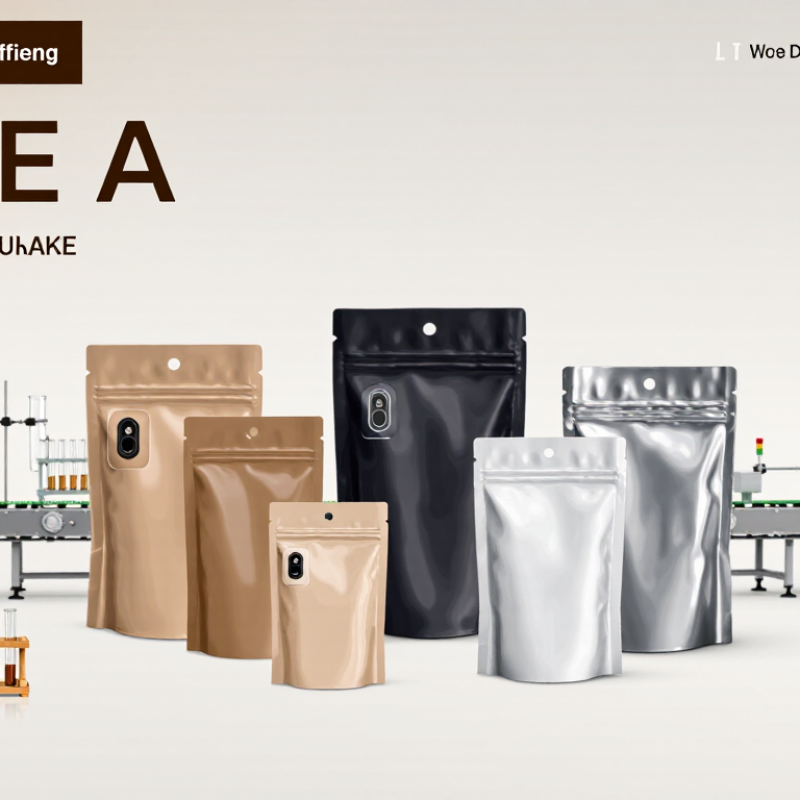
Coffee Packaging pouches come in several practical formats, each serving a different roasting and distribution need. Flat-bottom pouches stand upright and display well on shelves. Side-gusset and quad-seal pouches hold larger volumes with strong block-shaped support. Stand-up pouches suit smaller retail packs, while pillow pouches can reduce material use for high-speed filling. Single-serve sachets offer measured portions for offices, hotels, and travel.
Roasted whole beans usually need high-barrier laminates, heat seals, and a one-way degassing valve. The valve releases carbon dioxide without allowing oxygen to enter. That detail matters. Ground coffee often needs stronger oxygen and moisture protection because its larger surface area accelerates flavor loss. The International Coffee Organization reported global coffee consumption of about 177.9 million 60-kilogram bags in 2023/24, showing the scale behind these packaging decisions.
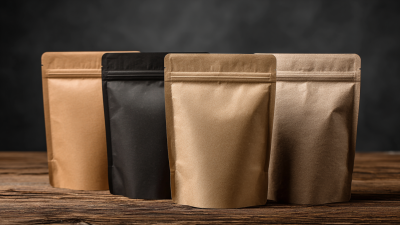
Material choices are changing, too. Paper-look pouches create a natural appearance, but appearance alone proves little. Recyclable mono-material structures may simplify recovery, while aluminum foil laminates can provide stronger barrier performance. Smithers’ flexible packaging outlook places the global market above US$300 billion by 2028, reflecting continued demand for lightweight formats. Yet, I would not treat one pouch style as universally better. A beautiful pack can still wrinkle, leak, or lose aroma after transport. Testing seal strength, oxygen transmission, valve performance, and filling-line behavior remains essential. Some specifications need reconsideration after real warehouse trials.
How Are Coffee Pouches Designed for Freshness and Protection?
Coffee pouches are designed around one simple enemy: oxygen. Roasted beans release carbon dioxide after roasting, while oxygen accelerates aroma loss and staling. The International Coffee Organization estimated global coffee consumption at 177.9 million 60-kilogram bags in 2023/24. That scale makes packaging performance commercially important.
A high-quality pouch usually combines a strong outer film with an oxygen and moisture barrier. Metallized layers or transparent barrier films help block oxygen, humidity, and light. A one-way degassing valve releases carbon dioxide without allowing outside air inside. Heat-sealed edges matter too. Tiny seal defects can undermine an otherwise excellent structure.
Packaging engineers often test oxygen transmission rate, water vapor transmission rate, seal strength, and drop resistance. The 2024 Smithers report on flexible packaging highlights barrier performance and material efficiency as major development priorities. In practical testing, low transmission values support longer freshness, but the exact target depends on roast, grind size, filling temperature, and storage conditions.
A pouch is not perfect.
I would not judge freshness by appearance alone. A glossy surface may look protective, yet weak seals or excessive headspace can still cause quality loss. Coffee suppliers should request laboratory test results, production samples, and accelerated shelf-life data. The pouch must also match filling equipment and transport conditions. Sometimes, a slightly heavier structure performs better than a thinner one. Sustainability claims need equal scrutiny; reduced material is useful only when protection remains reliable.
How Coffee Pouches Are Designed for Freshness and Protection
Oxygen-barrier performance is a key consideration in coffee pouch design. The chart shows representative oxygen transmission rate ranges for common flexible-packaging structures. Lower values indicate stronger protection against oxidation, which can help preserve roasted coffee aroma and flavor.
Representative technical ranges at approximately 23°C and dry conditions, expressed as cc/m²/day. Actual performance varies with material thickness, sealing quality, humidity, temperature, and pouch construction.
What Materials Are Used in Coffee Packaging Pouches?
Coffee Packaging Pouches: What Materials Are Used?
Coffee packaging pouches usually combine several layers for strength, sealing, and aroma protection. Common structures include PET/PE, PET/aluminum foil/PE, kraft paper/PE, and recyclable mono-material PE. PET provides stiffness and printability. PE forms the heat-sealed inner layer. Aluminum foil offers a strong barrier against oxygen, moisture, and light. This matters because roasted coffee quickly loses freshness when exposed to air.
The International Coffee Organization reported global coffee consumption at about 177.9 million 60-kilogram bags in 2023/24. That scale increases demand for dependable packaging. The Flexible Packaging Association’s 2024 industry report also described the United States flexible packaging market as exceeding 40 billion dollars. These figures show why material selection cannot rely on appearance alone. A kraft surface may look natural, but it still needs an effective barrier layer. For Cold Coffee Packaging, suppliers may consider thicker films, stronger seals, and resistance to condensation.
Tips:
Ask for oxygen transmission rate, water vapor transmission rate, seal strength, and migration test results. Request samples filled with real coffee. Check the zipper after repeated opening. Not every pouch needs foil. However, a lower-barrier structure may shorten shelf life. I would not call one material universally best. Cost, roasting style, filling equipment, and disposal systems all change the decision. A recyclable pouch can still be imperfect if local recycling facilities cannot process it.
How Does the Customization Process Work?
China Best Coffee Packaging Pouches Supplier?
How Does the Customization Process Work?
Choosing a coffee pouch supplier in China starts with a clear product brief, not a glossy catalog. Share the coffee type, roast date, fill weight, pouch size, closure, finish, and sales channel. For Iced Coffee Packaging, add expected moisture, condensation, and cold-storage conditions. This prevents a pouch designed for dry shelves from serving chilled products. Small detail, big consequence. An experienced supplier should ask about oxygen, light, aroma, and seal performance. They should explain why each material layer is recommended. If answers sound vague, pause before paying for tooling.
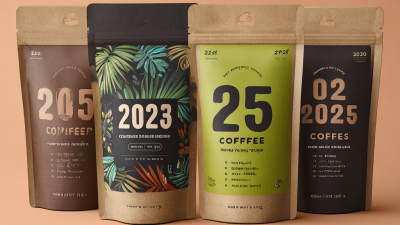
The customization process usually begins with artwork and a technical drawing. Provide editable files, color references, barcode data, and exact panel dimensions. The supplier then checks bleed, zipper clearance, valve placement, and print tolerances. Request a digital proof first. Next, review a physical sample, preferably filled with roasted coffee. Smell the pouch after several days. Test the zipper repeatedly. Check whether the bottom stands evenly. These simple checks reveal issues that screens hide. I once saw a beautiful sample with a weak corner seal. Appearance was not enough.
After approval, confirm the material structure, minimum order quantity, production schedule, and inspection points. Ask for batch photos and seal-test records when practical. A reliable workflow also defines who approves color changes or artwork corrections. Do not assume the first sample is final. Ink can shift slightly, and matte finishes may look different under warehouse lighting. Keep one approved pouch as a reference sample. It supports consistent future orders and makes quality discussions more objective.
Which Quality Standards Should Buyers Check?
When choosing a China coffee packaging pouches supplier, buyers should examine measurable quality standards, not only attractive samples. Coffee Packaging Bags must protect roasted beans from oxygen, moisture, light, and outside odors. Ask for oxygen transmission rate and water vapor transmission rate reports. Lower values usually indicate stronger barrier performance.
Check the pouch structure, sealing strength, puncture resistance, and material thickness. Request food-contact declarations for every layer, including inks, adhesives, and valves. Independent laboratory reports are more reliable than unchecked supplier claims. Also review batch traceability, production records, and inspection procedures. A pouch may look perfect but still fail after heat sealing. That detail is easy to overlook.
Tips: Test samples with your real coffee. Fill several pouches, seal them using production settings, and store them for several weeks. Inspect leaks, odor changes, weak corners, and seal wrinkles. Ask whether testing covers the finished pouch, not just the raw film. Confirm tolerances for size, printing, valve placement, and seal width. Practical testing often reveals issues that certificates miss. I would also question unusually low prices; cheaper material can increase waste later. A supplier’s willingness to discuss failed tests can reveal more than polished sales language.
How Can Buyers Compare Chinese Coffee Pouch Suppliers?
How Can Buyers Compare Chinese Coffee Pouch Suppliers?
Comparing Chinese coffee pouch suppliers requires more than checking the lowest quotation. A buyer should review pouch structure, seal quality, valve performance, and print consistency together. Ask for the material specification, including layer types, thickness, barrier data, and food-contact documentation. Keep one sample set. A clear comparison sheet prevents attractive prices from hiding weaker construction.
Request production samples from the same pouch size and artwork. Check whether the zipper closes smoothly, the bottom gusset stands evenly, and the seal survives a gentle pull test.
For roasted coffee, oxygen and moisture protection matter because flavor can change during storage. Ask for test methods, not only headline figures.
Suppliers should explain sampling controls, batch records, inspection points, and corrective actions. A factory visit, live video inspection, or independent audit can confirm whether those procedures are real.
Compare minimum order quantities, plate charges, lead times, replacement policies, and communication speed. Clarify how defects are counted.
One overlooked detail is carton packing; crushed corners can damage finished pouches before shipment. Samples may look excellent, yet mass production can vary if color approval is vague.
Buyers should insist on signed specifications and an approved production sample. No supplier is perfect. Record both strengths and unresolved risks before choosing a long-term partner.
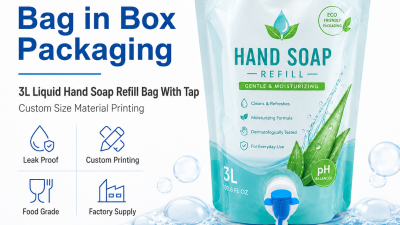
Custom Bag-in-Box Tap Pouches: A Smarter Hand Soap Refill Solution
Custom 3L bag-in-box tap pouches offer a practical, cleaner way to refill liquid hand soap in homes, offices, hotels, and public facilities. Designed with a convenient dispensing tap, the pouch helps control portions, reduce mess, and simplify everyday refilling. Its compact structure uses less storage space than rigid containers, while the lightweight, foldable format can lower transportation and handling costs. After use, the pouch also takes up less room in waste collection.
Made from food-grade composite film, each pouch features reinforced heat-sealed edges for dependable leak resistance during shipping, storage, and dispensing. The flexible material protects liquid contents while supporting efficient bulk packaging for hand soap and other home care hygiene supplies. Custom dimensions, film structures, tap positions, and printed designs can be selected to match different filling systems and retail requirements. Manufacturing can be aligned with BRCGS, ISO 9001, and ISO 22000 standards, helping support reliable quality control and safe packaging performance across bathroom, personal care, and household applications.
FAQS
Oxygen is the main enemy. It weakens aroma and speeds staling. Roasted beans also release carbon dioxide after roasting.
A strong outer film supports an oxygen and moisture barrier. Some structures also block light. Heat-sealed edges protect the package.
It releases carbon dioxide from freshly roasted coffee. It helps prevent outside air from entering. The valve is useful, not magical.
Tiny seal defects can damage an excellent material structure. Inspect corners, edges, and zipper areas carefully. A beautiful pouch can still leak.
Useful tests include oxygen transmission, water vapor transmission, seal strength, and drop resistance. These results reveal more than appearance alone.
Share the coffee type, roast date, fill weight, size, closure, finish, and sales channel. Mention cold storage or condensation when relevant.
Provide editable artwork, color references, barcode data, and panel dimensions. Request a digital proof first. Then inspect a physical sample.
Fill it with roasted coffee and smell it after several days. Test the zipper repeatedly. Check whether the bottom stands evenly.
Confirm the material structure, minimum order, schedule, and inspection points. Keep one approved pouch as a reference. Do not assume the first sample is final.
Not always. Less material helps only when protection remains reliable. A slightly heavier pouch may reduce quality losses during storage.
Conclusion
Choosing the right Coffee Packaging Pouches supplier in China requires more than comparing prices. A reliable supplier should offer consistent product quality, clear communication, stable production capacity, and practical experience with coffee packaging. Buyers can choose from stand-up pouches, flat-bottom bags, side-gusset bags, and other formats suited to different coffee products and market needs. Effective pouch designs typically include strong seals, protective barrier layers, resealable closures, and one-way degassing valves to help preserve aroma, freshness, and product quality.
Materials may include kraft paper, aluminum foil, metallized films, and recyclable or compostable structures, depending on the required protection and sustainability goals. The customization process usually covers size, shape, printing, finish, closure type, valve selection, and sample approval. Before placing an order, buyers should review food-contact compliance, quality-control procedures, testing reports, and production samples. Comparing suppliers by material performance, customization capability, lead time, communication, minimum order quantity, and total cost can help buyers select a dependable long-term partner.