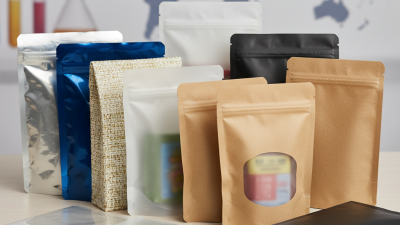
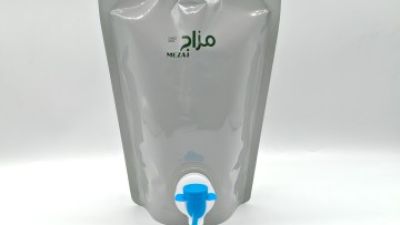
Choosing the best liquid pouch packaging isn’t just about the shape of the pouch — it really starts with understanding the product itself. For example, a thin juice needs a different kind of protection compared to a thick sauce or a dairy drink that's sensitive to oxygen. Things like fill temperature, how long it needs to stay fresh, the serving size, and how you plan to dispense it all play a part. And don’t forget the moment of use — a spout right next to a hiking trail might be super handy, while a simple flat sachet could be perfect for a single, measured serving. Those tiny design choices can make a big difference in how convenient the packaging is, how much material you use, and how smoothly your filling process goes.
Now, the big picture: flexible packaging is a huge industry. According to Grand View Research’s latest report, the global market hit about USD 264.9 billion in 2023, and it’s expected to grow around 4.5% each year from 2024 to 2030. But keep in mind, that number covers all kinds of flexible packaging, not just liquid pouches. So, it’s a good bit of context, but it doesn’t mean one pouch style rules them all — every shelf has its own needs.
When you're deciding what type of pouch to go for, it helps to compare a few options like spouted stand-up pouches, flat pouches, retort pouches, or bag-in-box systems. Each one has its own pros and cons — they differ in how well they protect the product, how much they weigh during shipping, how easy they are for consumers to open, and whether they fit with your filling equipment. Plus, the materials matter a lot too. For example, a multi-layer laminate might give awesome protection but could be tricky to recycle depending on where you are. Sometimes those trade-offs can be overlooked, so do your homework. It’s smart to run product trials and check supplier specs rather than just relying on marketing buzzwords. Whether someone’s searching for “Liquid Pouch” or clicking a link to a full product page, the best choice really depends on the liquid itself, your processing setup, and how you plan to dispose of the packaging. This guide will break down the main pouch formats and help you figure out where each one might work best — and where it might fall short.
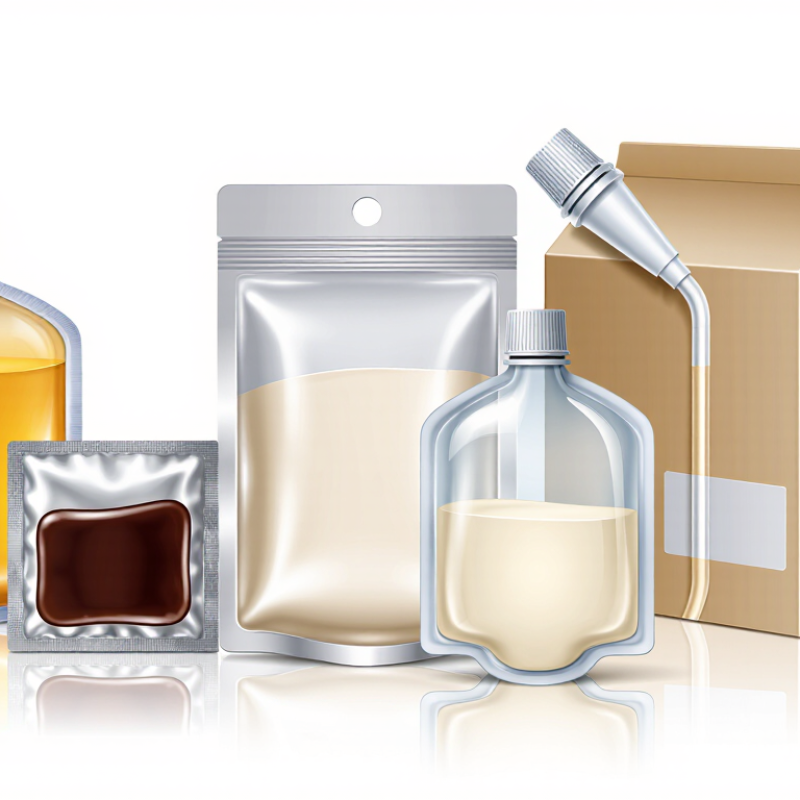
Flat pouches use little material and store efficiently, making them suitable for single servings or lightweight refills. Their slim shape fits cartons and drawers, but they usually need a tray or hand to stay upright. Small detail, real difference.
Stand-up pouches have a bottom gusset that opens when filled. They display well on shelves and can hold larger portions, such as soup, juice, or sauce. A stable base helps, though the pouch may wobble when nearly empty. The seal and film structure matter as much as the shape.
Spouted formats allow controlled pouring and resealing. They work well for thicker liquids and products used over several occasions. Check the spout diameter and position against the product’s flow; a narrow opening can slow viscous contents. Retort pouches are designed for heat processing and need materials specified for that treatment. Shaped pouches can improve grip or shelf appeal, but unusual outlines may complicate filling and packing. A Liquid Pouch is not automatically the best choice just because it is flexible. Barrier needs, filling conditions, storage time, and how people pour from it should guide the format. I would test a filled sample in real handling conditions before settling on a design.
Stand-up pouches give liquid products a compact, front-facing footprint on crowded shelves. A shaped bottom gusset helps the filled pack stand upright, while a broad panel keeps product information visible. For sauces, concentrates, or refill liquids, this format can create a tidy display without a rigid bottle. Stability depends on more than pouch shape. Fill weight, liquid movement, seal quality, and shelf depth all matter. An empty pouch may stand neatly, then lean once filled. That detail is easy to miss.
The Flexible Packaging Association’s 2024 industry report estimates U.S. flexible-packaging sales at $42.9 billion in 2023. That represented about 21% of the U.S. packaging market. These figures cover flexible packaging broadly, not stand-up pouches alone. For reliable display, specify a gusset suited to the filled volume and test the actual product on a slightly uneven shelf. Transport trials matter too; attractive samples do not prove that packs will stay upright in shipping cases.
Tips: Request filled samples, not empty mock-ups. Check spout placement, seal strength, and how each pouch settles after handling. Leave enough space for shoppers to grip the pack. If it tips forward, adjust the base width or fill level before approving the artwork. Retail shelves are rarely perfectly level.
A spouted pouch combines flexible film with a fitted opening, letting users pour liquids and reseal the pack. That can help limit drips when dispensing sauces, drinks, or household liquids. Small details matter. A wide spout may suit thicker contents, while a narrower opening can offer more control with thinner liquids. The cap should be easy to grip, even with damp hands, and should close securely after use. Still, a convenient spout cannot compensate for a weak seal or a pouch that is difficult to hold.
Tips: Test the pouch with the actual liquid before choosing a format. Check pouring speed, cap fit, seal integrity, and whether the pouch stands or stores as intended. A quick water test is useful, but thicker contents may behave differently.
When selecting a Liquid Packaging Pouch, consider how people will use it from first opening to final pour. A flexible pouch can take less storage space than a rigid container, though it may need support while filling or dispensing. Review the film and closure options for compatibility with the product and filling process. Temperature, handling, and storage conditions can affect performance, so confirm requirements with a qualified packaging supplier. There is no perfect format for every liquid; testing with real users may reveal awkward grip or messy pouring that specifications miss.
Flat pouches and sachets suit single-serve liquids when portions must stay compact and easy to carry. A flat pouch can hold a measured dose of juice, dressing, or liquid soap without the bulk of a rigid container. Sachets are often smaller and narrower, making them practical for samples, travel kits, or one-use servings. Both formats use flexible film, but the right structure depends on the liquid and filling conditions.
Details matter. A thin, watery liquid may pour neatly through a small tear notch, while a thicker sauce can cling to the film or spill suddenly. Seal quality is equally important: residue caught along the top edge may weaken a seal. For Liquid Pouch Packaging, material layers should be checked for compatibility with the product, expected storage time, and handling during transport. A pouch that looks sturdy on a desk may still puncture when squeezed inside a packed bag.
The opening deserves a real test. Can someone tear it with damp fingers? Does the liquid reach the intended portion without a spoon? These small checks can reveal design flaws early. Not always. A wider opening may improve dispensing but increase the chance of spills, especially with thin liquids. There is no universal best size; trial fills with the actual product provide more useful evidence than appearance alone.
High-barrier and retort pouches protect products in different ways. High-barrier structures limit oxygen, moisture, and light, helping preserve flavor and texture. Retort pouches are designed for heat processing after filling, when the product and sealed package undergo a validated thermal cycle. This can support shelf-stable storage without refrigeration. Small details matter.
Material choice depends on the product. Oils may need strong oxygen protection, while powders often need moisture control. For retort applications, converters and processors must check seal strength and confirm that the pouch withstands the actual time, temperature, and pressure conditions. Ask for oxygen and water-vapor transmission data, not just a “high barrier” claim. Test filled packs too. A specification sheet alone cannot reveal every failure.
The Flexible Packaging Association’s 2024 State of the U.S. Flexible Packaging Industry report valued 2023 U.S. shipments at $42.9 billion, representing about 21% of the packaging market by value. That scale makes performance testing important, but it does not prove that every pouch protects equally well. One weakness in many buying guides is treating barrier ratings as the whole story. Punctures, poor seals, and rough handling can still shorten product life. A practical trial with real product and distribution conditions may expose issues that lab data misses.
Choosing a pouch starts with the liquid, not the shelf display. A thin juice or water usually works well in a flexible, flat pouch, especially when low weight and compact storage matter. For thicker sauces, smoothies, or gels, a stand-up pouch with a suitably sized spout can make pouring easier and reduce mess. Small details matter. A narrow opening may clog when the product contains pulp or small particles.
Match the structure to the liquid’s sensitivity and the way people will use it. Oils and flavor-sensitive drinks may need stronger oxygen and light barriers; opaque or foil-layered structures can help, though they may limit visibility. Products filled hot or stored for long periods need materials and seals designed for those conditions. A Liquid Storage Pouch should be checked for compatibility with the actual formula, filling temperature, and handling routine—not just its listed capacity.
Think about the user, too. Single-serve portions suit quick consumption, while larger pouches may need a resealable closure if the contents are used over several days. Test samples on the intended filling line and inspect seals after transport or squeezing. A good chart helps, but it cannot replace trials; real seals sometimes behave differently than samples suggest. Not always. One compromise is material cost, another is ease of pouring, and the right balance depends on the product.
| Pouch Type | Best Suited Liquids | Typical Uses | Main Advantages | Key Selection Considerations |
|---|---|---|---|---|
| Stand-up pouch with spout | Juices, smoothies, sauces, liquid foods, detergents, and personal-care liquids | Retail products intended for pouring, squeezing, or repeated use | Stands upright on shelves; a resealable closure can make dispensing convenient; generally uses less storage space than many rigid containers | Match spout size and position to the liquid’s thickness and pour rate. Check seal strength, drop resistance, and compatibility between the product and pouch layers. |
| Flat pouch with spout | Thin to moderately viscous liquids such as beverages, sauces, refills, and household products | Single-use or compact refill packs where shelf display is less important | Compact shape can be efficient to store and ship; the spout supports controlled pouring | Does not stand upright without support. Select a suitable seal and spout design for the product’s weight, viscosity, and expected handling. |
| Three-side-seal sachet | Small portions of sauces, syrups, dressings, drink concentrates, and liquid samples | Single servings, food-service portions, samples, and trial sizes | Simple, lightweight format suited to individual portions and high-volume filling lines | Usually intended for one-time opening. Specify tear features and enough package strength to reduce leakage during transport and handling. |
| Center-seal (fin-seal) pouch | Liquid or semi-liquid products in portion packs, including condiments and some personal-care products | Single-serve packs and products filled on form-fill-seal equipment | Can be produced efficiently from rollstock and tailored to different pack sizes | Seal design and film selection must suit the filling temperature and product. A separate dispensing feature may be needed for clean pouring. |
| Retort pouch | Foods that require thermal processing, such as soups, sauces, curries, and ready meals | Shelf-stable food products processed in the sealed package | Designed to withstand a validated retort process; flexible format can reduce package bulk compared with some rigid alternatives | Use a structure and seals specifically qualified for the scheduled time and temperature. The package, product, and process require appropriate validation. |
| Aseptic pouch | Suitable beverages and liquid foods processed and packed under aseptic conditions | Products intended for extended ambient distribution without refrigeration before opening | Can support ambient distribution when the product and package are commercially sterile and the filling system maintains aseptic conditions | Requires compatible sterilization, barrier materials, filling equipment, and process controls. The pouch alone does not make a product shelf-stable. |
| Shaped pouch with spout | Viscous products such as purées, gels, thick sauces, and some personal-care liquids | Products where grip, portioning, or a distinctive pack silhouette matters | Can be shaped for easier handling or product presentation while retaining a flexible format | Complex shapes can affect usable fill volume, seal layout, and filling efficiency. Test dispensing performance with the actual product. |
| Large-format bulk pouch | Bulk beverages, syrups, liquid ingredients, and industrial or food-service liquids | Bulk supply, dispensing systems, and transport inside a protective outer container | Flexible inner packaging can be paired with a tap or fitment for controlled dispensing | Choose capacity, fitment, barrier, and puncture resistance for the distribution system. A carton or other secondary protection may be required. |
Selection note: The best pouch depends on the liquid’s viscosity, acidity, fat or oil content, processing method, shelf-life target, and dispensing needs. Confirm material compatibility, barrier requirements, seals, and filling-process suitability with packaging and food-safety specialists before production.
What Are the Best Types of Liquid Pouch Packaging?
Stand-up pouches with spouts work well for sauces, detergents, and refill products. They store neatly and pour with less mess than many rigid bottles. Flat sachets use less shelf space and suit single servings, but opening and emptying them can be awkward. Retort pouches tolerate heat processing, making them useful for shelf-stable meals. Their multilayer structures, however, can complicate recycling.
Cost depends on filling equipment, order volume, shipping weight, and product protection—not just the pouch price. Flexible packs can reduce transport weight, yet specialized spouts or barrier layers may raise material costs. Environmental claims need similar care. The US EPA’s Advancing Sustainable Materials Management: 2018 Fact Sheet reports that plastic containers and packaging generated 14.5 million tons of waste in the United States; 13.6% was recycled. This figure covers all such packaging, not pouches alone. Local collection access and pouch design matter. A lighter package is not automatically a better end-of-life choice.
Tips: Match the pouch to the liquid’s viscosity and shelf life. Test leaks, pouring, and how much product remains in the corners. Ask suppliers for material specifications, and check local recycling guidance before printing disposal claims. The inconvenient part? A convenient pouch may still have limited recycling options.
Choosing the right 1L–10L pouch starts with matching capacity to the outing. A 1L option can hold trail snacks, keys, and small essentials, while a mid-size pouch suits day hikes or cycling when you need room for a light layer and personal items. For camping or longer trips, a 10L size can accommodate extra clothing, picnic supplies, or compact gear. The Outdoor Industry Association’s 2024 Outdoor Participation Trends Report estimated that 175.8 million people in the United States took part in outdoor recreation in 2023, reflecting the variety of activities that call for adaptable, easy-to-carry storage.
Consider conditions as well as volume. Wear-resistant, tear-proof fabric helps handle rubbing against other gear, while an airtight, moisture-proof seal offers added protection from rain and damp environments. The National Park Service reported 331.9 million recreation visits to U.S. national parks in 2024, a reminder that outdoor essentials may face changing weather and busy conditions. A lightweight, foldable pouch is practical when space is limited: choose a compact size for quick outings, or a larger capacity when your plans involve several essentials. Customizable details can further help organize items for hiking, backpacking, cycling, or camping, keeping frequently used belongings accessible without adding unnecessary bulk.
Flat pouches use little material and store neatly in cartons or drawers. They suit single servings and lightweight refills. They may need a tray to stand upright.
Its bottom gusset opens when filled, helping it sit on a shelf. It can hold soup, juice, or sauce. Nearly empty, it may wobble.
A spout helps control pouring and allows resealing between uses. It suits thicker liquids, but the opening must match the product. Small detail, big difference.
Check that the spout is wide enough for the liquid’s flow and any small particles. A narrow opening can slow pouring or clog.
Consider the liquid’s sensitivity, filling temperature, storage time, and handling. Oils or light-sensitive drinks may need stronger oxygen and light barriers. Visibility may be reduced.
No. Retort pouches need materials specified for heat processing. Confirm the structure and seals suit the actual filling conditions.
It can help when contents are used over several days. Single-serve sizes may suit quick consumption better. The use pattern matters.
Test filled samples on the intended filling line. Inspect seals after transport and squeezing, then try pouring in real handling conditions. Charts can miss awkward details.
Liquid Pouch packaging comes in several formats, each suited to different products and serving needs. Stand-up pouches have a stable base that helps them sit upright on retail shelves, while spouted pouches make liquids easier to pour and can often be resealed between uses. Flat pouches and sachets are compact options for single servings, helping control portions and making products convenient to carry. For liquids that need stronger protection from oxygen, moisture, light, or heat, high-barrier and retort pouches may offer suitable packaging performance.
Choosing the right pouch means considering the liquid’s thickness, sensitivity, storage requirements, and how consumers will use it. A larger resealable pouch may suit repeated use, whereas a small sachet may work better for a single serving. Cost, ease of handling, shelf display, and material use also matter. Pouches can be lightweight and space-efficient, but their environmental impact depends on the materials, local recycling options, and disposal practices.