request to quote
Leave Your Message
0%

Choosing the right soap packaging boxes isn’t just about making things look pretty on the shelf—although that’s definitely a big part of it. It’s also about protecting the product and making that first impression count. A good box needs to keep soap safe from moisture, scratching, losing its fragrance, or getting damaged during handling. Plus, it should open easily without hassle, stack nicely, and showcase all the important info customers need to see.

And the market backs this up. According to Smithers’ report, The Future of Global Packaging to 2028, demand for packaging is only going up, driven by folks wanting more premium presentation and greener options. Grand View Research even pegged the global sustainable packaging market at around USD 101.49 billion in 2022, with solid growth expected through 2030. All those numbers tell us one thing—packaging isn't just a silent box anymore. It’s a sales tool.

Anne Johnson from GreenBlue summed it up nicely: “There’s no such thing as a sustainable package—only more sustainable packaging.” That’s a good reminder for soap brands, whether they’re using recycled paperboard, kraft cartons, molded inserts, or simple low-ink designs. Being responsible isn’t just about one material claim; it’s about looking at the whole package system.

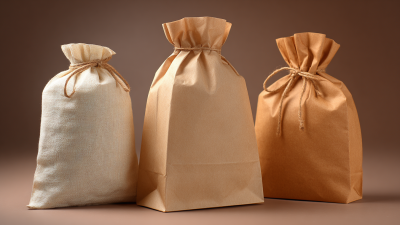
In this article, we’re going to look at different options—folding cartons, rigid boxes, sleeve designs, and windowed formats—to see what works for various retail setups. We’ll also compare traditional soap packaging boxes with soap packaging bags—especially when weight, moisture resistance, and visual appeal are key. For example, a small handmade bar might just need a sturdy kraft box with a tactile feel. But a luxury collection? It probably calls for rigid boards, embossing, and a snug internal fit.

The tough part? No one-size-fits-all solution exists. That’s why retailers should test samples in real-world handling situations before diving into large orders. It’s also important to verify things like certifications, print quality, the strength of closures, and recyclability claims. Good packaging looks convincing, yeah—but better packaging performs consistently, every single time.
What Are the Best Soap Packaging Boxes for Retail?

What Makes a Soap Packaging Box Suitable for Retail?

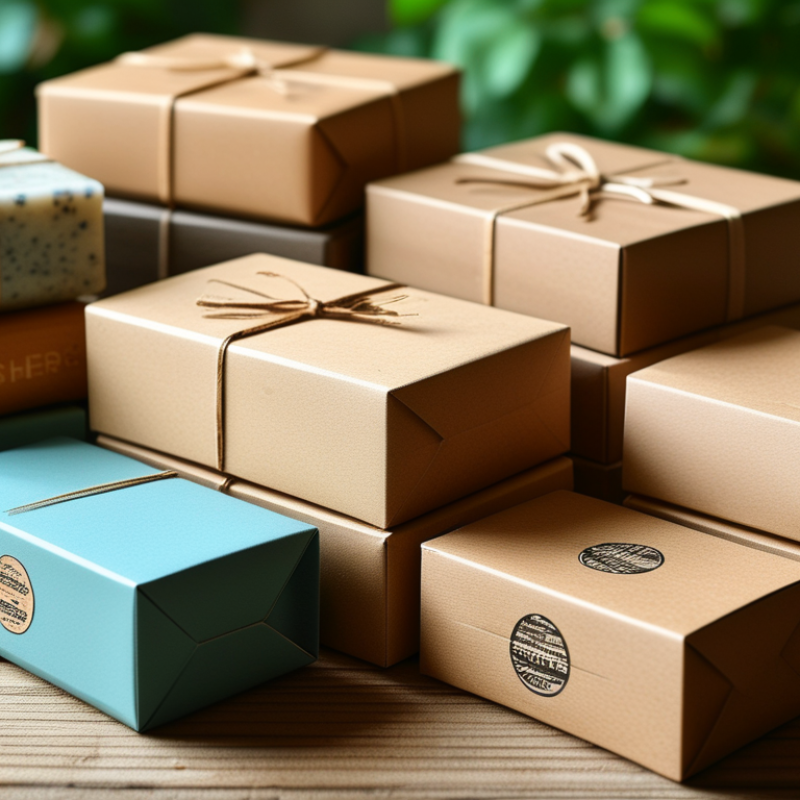
A suitable soap packaging box must protect the product and perform well on a busy retail shelf. The box should resist crushing, moisture, and surface scuffing during transport. Accurate dimensions matter too. Excess space can make the soap move, while tight packaging may damage corners or labels.

Retail buyers also need clear product information. The package should provide space for the soap name, scent, weight, ingredients, usage details, and barcode. Simple typography helps shoppers read these details quickly. A sturdy tuck-end design can improve opening and closing without creating unnecessary waste. Recyclable paperboard may support sustainability goals, but its strength should be tested before making environmental claims. A beautiful box can still fail if it becomes soft in a humid bathroom.

Tips: Test sample boxes before ordering in bulk. Place them in cartons, shelves, and delivery conditions. Check whether the print scratches easily. Open the box repeatedly. Small faults often appear late. I would not rely on appearance alone, because retail packaging must survive handling, storage, and customer use. Shelves are less forgiving than design screens.

Which Materials Work Best for Soap Packaging Boxes?

For retail soap, material choice affects protection, shelf appeal, and disposal. Folded paperboard remains a practical option for wrapped bars. Choose 300–400 gsm board for firm edges and clean printing. Recycled content can add texture, but it may show fibers or color variation. That is not always a defect.

The U.S. Environmental Protection Agency reported a 68.2% recycling rate for paper and paperboard containers and packaging in its latest national data. This supports paperboard when local recycling systems accept it. However, wax coatings, plastic laminations, and heavy foil can complicate recovery. A matte coating may look premium, yet it can reduce recyclability. Test it.

For humid bathrooms, moisture-resistant structures need closer evaluation. A paper-based Soap Packaging Pouch can protect individual bars, but its barrier layer matters. Uncoated paper absorbs oils and fragrance quickly. Plastic-lined pouches resist moisture better, though they may be harder to recycle. The Flexible Packaging Association’s 2023 industry report recorded U.S. flexible packaging sales of $39.5 billion in 2022, showing strong demand for lightweight formats. Lightweight is useful. It is not automatically sustainable.

For boxed retail soaps, paperboard with a small inner wrap often balances stiffness and protection. Corrugated board suits shipping cartons, not usually the shelf box. I would avoid selecting material from appearance alone. Drop tests, rub tests, and humidity trials can expose weak corners, fading, or crushed panels before retail launch. 马会

How Do Box Styles Protect and Present Different Soap Products?

Soap packaging must protect the bar before it earns attention. Tuck-end boxes suit standard bath soaps because their folded panels resist dust, scuffing, and light compression. A snug fit also limits movement during transport. In packing trials, loose bars often develop chipped corners. Small detail, costly impression.

Sleeve boxes present a cleaner, more tactile design for handmade or textured soaps. The exposed surface invites shoppers to feel the paper, but it needs a protective inner wrap. Rigid boxes offer stronger crush resistance for gift sets and premium assortments. Their thicker walls reduce dents, although they add material and shipping weight. Window boxes display color and shape immediately, yet the cut-out can weaken structural strength. This trade-off deserves testing, not guessing.

Material choices also affect purchasing decisions. McKinsey’s 2023 global packaging survey reported that 60% to 70% of consumers may pay more for sustainable packaging. Paperboard, recycled content, and water-based inks can support that expectation when disposal remains practical. Smithers’ paper-based packaging research also identifies continued growth in recyclable fiber formats through 2028. However, “recyclable” does not guarantee local recovery. Boxes On Boxes may look attractive online, but stacked cartons can crush delicate corners without dividers. A die-cut insert, accurate dimensions, and a moderate board thickness usually protect better than decorative excess. The best retail box balances shelf visibility, hand feel, moisture control, and real transport conditions. Testing still exposes uncomfortable mistakes.

What Are the Best Soap Packaging Boxes for Retail? - How Do Box Styles Protect and Present Different Soap Products?

Box Style Typical Soap Format Typical Internal Size Common Material Protection Level Retail Presentation Moisture and Friction Features Best Retail Use
Straight Tuck-End Carton Standard rectangular bar, approximately 90–120 g About 95 × 65 × 30 mm 250–350 gsm paperboard Medium; protects against scuffs, dust, and light compression Clean front panel with ample space for ingredients, weight, and usage information Optional aqueous coating or matte varnish; paperboard friction helps keep the bar in place High-volume retail soap lines and everyday bath bars
Reverse Tuck-End Carton Slim or premium rectangular bars, approximately 80–120 g About 95 × 65 × 30 mm 250–400 gsm paperboard Medium to high; overlapping flaps improve closure security Balanced appearance with a smooth opening and strong printable front and back panels Can use a dispersion coating; snug fit reduces movement during shelf handling Giftable soaps and products requiring a more secure closure
Sleeve and Inner Tray Handmade, textured, or irregularly finished bars, approximately 90–150 g About 105 × 75 × 35 mm 300–400 gsm sleeve with 250–350 gsm tray High; the tray supports the soap while the sleeve limits surface contact Premium unboxing effect and visible sleeve area for storytelling or product details Replaceable sleeve; tray can include a paper wrap or grease-resistant liner Artisan collections, gift sets, and soaps with delicate surface decoration
Window Carton Visually distinctive bars, approximately 80–120 g About 95 × 65 × 30 mm 300–400 gsm paperboard with cellulose or plastic film window Medium; protects well from handling but exposes part of the bar to light and air Product visibility encourages tactile and visual shopping decisions Use a barrier liner or inner wrap when fragrance, color, or oils are light-sensitive Transparent presentation for embossed, layered, or naturally colored soaps
Rigid Setup Box Luxury bars, multi-bar sets, and presentation packs About 120 × 85 × 40 mm for a single large bar or small set 1.2–2.0 mm greyboard wrapped with printed paper Very high; rigid walls resist crushing and stacking pressure Strong shelf impact, reusable feel, and clear premium positioning Interior paper insert or molded-pulp support can prevent movement and abrasion Premium gift boxes, seasonal assortments, and specialty retail
Kraft Pillow or Wrap-Style Box Lightweight bars and natural-positioned products, approximately 70–110 g About 100 × 70 × 32 mm 250–350 gsm unbleached kraft paperboard Low to medium; suitable for dry retail environments and careful handling Distinctive curved profile and natural paper appearance attract eco-conscious shoppers Requires a liner or inner wrap if the soap contains excess oils or is sold in humid conditions Farm shops, craft markets, low-ink packaging programs, and natural product aisles
Two-Piece Sliding Drawer Box Multiple bars or refillable soap collections About 150 × 100 × 45 mm for two or three bars 350–450 gsm paperboard or wrapped rigid board High; double-wall construction provides strong protection during transport Drawer opening creates a premium experience and organizes several products Paper rails or fitted inserts reduce sliding, rubbing, and scent transfer between bars Multi-bar gift sets, discovery kits, and refill-oriented product ranges

Note: Internal dimensions are typical starting ranges for standard retail soap bars. Final specifications should allow approximately 2–4 mm of clearance, depending on the soap shape, wrap, liner, coating, and storage environment.

What Printing and Branding Features Improve Retail Shelf Appeal?

Retail soap Boxes And Packaging must communicate quality before shoppers read every word. Shelf appeal begins with a clear visual hierarchy. Place the soap name high, scent below it, and essential details near the base. Strong contrast improves recognition from several feet away.

NielsenIQ’s 2023 State of Sustainability report found that 78% of surveyed consumers considered sustainable living important. Use uncoated paper textures, soy-based inks, and restrained color palettes to support that expectation. However, sustainability claims need evidence. Add a concise material statement, not vague green language. Matte finishes feel calm, while selective gloss can highlight bubbles, leaves, or carved lettering. Too much shine looks inexpensive.

Small details matter. Embossed logos invite touch. Foil accents catch store lighting. QR codes can explain ingredients, sourcing, or recycling guidance. Keep them large enough to scan easily. My own shelf tests have exposed an awkward mistake: beautiful pale lettering disappeared under warm lighting. Test printed samples in real retail conditions. Not on a laptop.

McKinsey’s 2023 packaging research reported that 60% to 70% of consumers may accept higher prices for sustainable packaging in selected categories. That supports premium materials, but only when the box still protects the soap. Use a tight carton fit, readable barcodes, and consistent side panels. Retailers value order as much as decoration. A crowded package loses attention quickly. Less can work better.

How Should Soap Boxes Address Sustainability and Product Safety?

What Are the Best Soap Packaging Boxes for Retail?

How Should Soap Boxes Address Sustainability and Product Safety?

Sustainable soap packaging must protect bars without creating unnecessary waste. Recyclable paperboard is a strong starting point, especially with responsibly sourced fiber. Avoid plastic windows and mixed materials when recycling systems cannot separate them. Keep coatings minimal. A water-based coating may improve scuff resistance, but it can still affect recyclability. Confirm the material’s actual recycling path with a qualified packaging converter.

Product safety deserves equal attention. The box should fit tightly enough to prevent movement. It should also allow ventilation when residual moisture remains. Damp soap can soften board and weaken glued seams. Test packed boxes through compression, drop, humidity, and shelf-life trials. Inspect ink adhesion and any coating touching the bar. Use clean, traceable materials and keep batch records. Packaging should display ingredients, net weight, usage guidance, and required warnings for each market. Requirements vary. Verify them before printing.

Retail presentation still matters. Sharp folds, clear type, and a stable base help shoppers handle products safely. Minimal-ink designs may reduce environmental impact, but they are not automatically better. A thinner box can tear during transport. A heavier box can waste material. Measure this trade-off through damage rates, customer feedback, and recycling outcomes. No package is perfect. Reassess it after launch.

How Can Retailers Choose the Right Soap Packaging Box Supplier?

Retailers choosing soap packaging box suppliers should inspect more than appearance. A crisp carton may still crush during transport or absorb moisture in a humid stockroom. Ask suppliers for compression tests, moisture-resistant material options, and repeat-production samples. Request details about paper weight, recycled content, printing safety, and quality checks. These records show practical experience, not just polished sales language.

Supplier reliability also affects retail margins. McKinsey’s 2023 packaging research found that 60–70% of consumers may pay more for sustainable packaging. However, sustainability claims need evidence. Request certificates, material specifications, and clear production timelines. A supplier should explain minimum order quantities and replacement procedures for defective cartons. Experience with Food Packaging Boxes can also indicate stronger hygiene controls, but soap cartons still require suitable protection and presentation. Do not assume both applications use identical materials.

Tips: Order a small pilot batch before signing a large contract. Test one packed soap under stacking, rubbing, and bathroom humidity. Compare the printed color beside your shelf lighting. Ask for a dated production sample. I would not trust a glossy sample alone. That shortcut can fail. Industry reports offer useful direction, yet your own handling test reveals the supplier’s real consistency. Leave room for mistakes in the first design, especially around tuck flaps, bar fit, and barcode placement.

How Retailers Can Choose the Right Soap Packaging Box Supplier

This planning benchmark prioritizes structural protection, print quality, sustainability, lead time, and cost when comparing soap packaging box suppliers. Retailers can adjust the weighting to match their product positioning, sales channel, and order volume.

FAQS

How can soap boxes improve visibility on crowded retail shelves?

Place the soap name near the top. Put the scent below it. Keep essential details near the base. Strong contrast helps shoppers recognize the box from several feet away.

Which materials can support a more sustainable soap package?

Use recyclable paperboard and responsibly sourced fiber. Uncoated textures and soy-based inks can support a restrained design. Avoid plastic windows when recycling systems cannot separate mixed materials.

Are sustainability claims enough to build shopper trust?

No. Add a concise material statement with specific evidence. Vague green language can sound attractive, but it may raise doubts.

How can finishes make soap packaging feel more premium?

Matte surfaces create a calm appearance. Selective gloss can highlight bubbles, leaves, or carved lettering. Too much shine may look inexpensive.

What small details can make a soap box more engaging?

Embossed areas invite touch. Foil accents catch store lighting. A clear QR code can explain ingredients, sourcing, or recycling guidance.

How should packaging designers handle QR codes?

Make the code large enough to scan easily. Test it under store lighting and from a normal holding distance. A beautiful design fails if the code does not work.

How can soap boxes protect bars during retail handling?

Use a tight carton fit to limit movement. Keep the base stable and the folds sharp. Allow ventilation when residual moisture remains inside the box.

What safety and information details should soap packaging include?

Show ingredients, net weight, usage guidance, and required market warnings. Check local requirements before printing. Keep materials clean and traceable.

Which tests can reveal packaging weaknesses?

Run compression, drop, humidity, and shelf-life trials. Inspect ink adhesion and coatings touching the soap. Test printed samples in real stores, not only on screens.

How should brands balance sustainability, strength, and cost?

A thinner box may tear during transport. A heavier box may waste material. Compare damage rates, customer feedback, and recycling outcomes after launch. No package stays perfect.

Conclusion

The best Soap Packaging Boxes for retail combine practical protection with attractive presentation. They should be appropriately sized, sturdy enough to prevent crushing and moisture damage, and easy to open without compromising the product. Materials such as kraft paper, corrugated board, and folding carton provide different levels of strength, texture, and cost, while box styles can be selected to suit bar soaps, gift sets, or specialty products. Thoughtful structural design helps preserve soap quality while making products easier to display and handle.

Retail packaging should also support strong branding through clear printing, appealing colors, product information, finishes, and convenient labeling areas. Sustainable material choices, recyclable construction, low-impact inks, and responsible sourcing can improve environmental performance while meeting product safety expectations. When choosing a supplier, retailers should evaluate material quality, printing accuracy, customization options, production capacity, lead times, pricing, and quality-control procedures. A reliable supplier should provide consistent packaging that protects the soap, reflects its value, and performs well across retail shelves and distribution channels.

Sophie

Sophie

Sophie is a dedicated marketing professional at Dongguan Huadi Packaging Products Co., Ltd., a company established in 2003 that specializes in high-quality packaging solutions for various industries. With her extensive knowledge of the company's products and services, Sophie plays a crucial role in......
Previous Top Pouch Printing Methods for Global Buyers