request to quote
Leave Your Message
0%

These days, global buyers are taking a closer look at Pouch Printing, especially since packaging needs are getting way more specific, regional, and eco-friendly. According to Grand View Research, the worldwide flexible packaging market was valued at around USD 261.57 billion in 2022, and it’s expected to grow at a steady rate of about 4.8% annually from 2023 all the way through 2030. Pouches are really at the heart of this growth—they’re lightweight, eye-catching on shelves, and great at protecting products without adding bulk.

But honestly, just having pretty artwork isn’t enough anymore. Buyers pay close attention to things like ink adhesion, color consistency, seal area control, and how durable the print is. On the factory floor, even small differences matter—a slightly darker barcode might cause scanning issues, or a weak ink bond could lead to packaging damage during shipping. Sadly, these details often get overlooked.

Alison Keane, who’s the President and CEO of the Flexible Packaging Association, describes flexible packaging as “lightweight, resource-efficient, and highly functional,” which totally makes sense why big brands around the world still love printed pouches. But here’s the thing—those performance claims need to be tested, not just echoed. Research from Smithers also points out that digital and traditional printing tech are still evolving, especially for shorter runs or versions where keeping tight control over the output is key. Digital printing, for example, can cut down on waste during setup, but it’s not always ideal for every type of substrate, volume, or color. That can be a bit of a pain.

This guide compares different pouch printing options—rotogravure, flexographic, digital, and hybrid methods. We look at quality, turnaround times, minimum order sizes, sustainability, and how reliable suppliers are. Remember, the cheapest quote isn’t usually the best choice. The real winner is the method that safeguards your product from the moment artwork is approved to the final delivery.
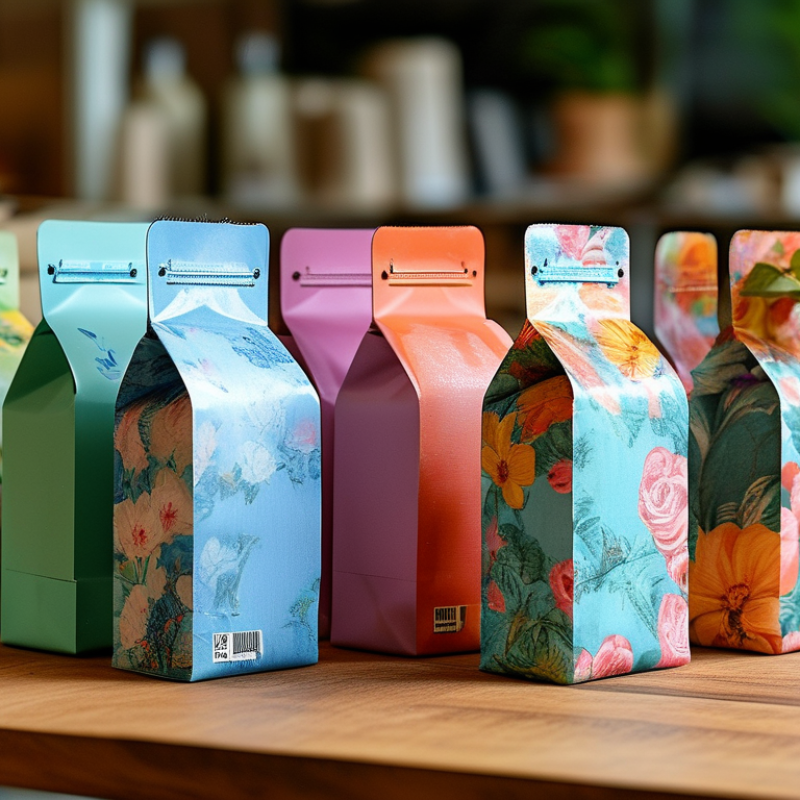
Top Pouch Printing Methods for Global Buyers

Pouch Printing Basics for Global Buyers

Pouch Bag Printing begins with the pouch structure, not the artwork. Buyers should confirm the film, barrier layer, sealant, and filling conditions before selecting a printing method. Flexible pouches commonly use laminated plastic films, aluminum foil, or recyclable mono-material structures. Each choice changes ink adhesion, color appearance, and sealing performance. A glossy surface may look attractive, but it can reveal fingerprints and scuffing during transport.

Rotogravure suits long production runs and delivers consistent solid colors. Flexographic printing often offers shorter setup times and efficient repeat production. Digital printing supports variable graphics and smaller quantities, but its unit cost may rise on large orders. The Flexible Packaging Association reported approximately 39.8 billion dollars in United States flexible packaging sales in 2023. Smithers’ global flexible packaging research also forecasts steady market growth through 2028, increasing demand for reliable pouch decoration and faster product launches.

Ask suppliers for drawdown proofs, ink specifications, and registration tolerances. Check color under the intended lighting. Test the printed pouch after filling, sealing, rubbing, and temperature exposure. A beautiful proof can still fail at the seal. That lesson is easy to overlook. Buyers should also compare minimum order quantities, cylinder charges, plate costs, and digital setup fees. There is no universally best method. A low-cost option may create more waste when artwork changes frequently. Trial runs remain valuable, even when the production plan seems obvious.

Top Pouch Printing Methods for Global Buyers

Pouch Printing Basics: Comparing Typical Industry Characteristics

The chart compares common pouch printing processes using three practical criteria. A value of 1 means the characteristic generally applies, while 0 means it generally does not. Digital printing typically supports short runs and variable data without plates or cylinders; flexographic, rotogravure, and offset printing generally require dedicated plates or cylinders and are better suited to established production runs.

How to Compare Flexographic, Gravure, Digital, and Rotogravure Printing

For global buyers, Plastic Pouch Printing should begin with volume, artwork, and delivery speed. Flexographic printing suits medium and long runs. It uses plates, dries quickly, and supports efficient film production. Gravure, also called rotogravure, uses engraved cylinders. It delivers sharp images and stable color across very large orders. However, cylinder preparation adds cost and time. It may be excessive for seasonal packaging.

Digital printing needs no plates or cylinders. It works well for short runs, multiple designs, and late artwork changes. Unit costs remain higher, especially for large volumes. Smithers’ 2024 report, The Future of Digital Print for Packaging to 2028, identifies short-run customization as a major growth driver. The Flexible Packaging Association reported approximately 40 billion dollars in United States flexible packaging sales in 2023. That scale explains why conventional processes still dominate many large orders. But forecasts are not guarantees.

Tips: Request the same artwork on every method. Compare total cost, not only the quoted pouch price. Ask for a physical proof with color targets, seal samples, and rub testing. Check cylinder charges separately. A small order can become expensive quickly. A practical mistake is choosing gravure for premium appearance without calculating demand. Flexo may be less glamorous, yet it can deliver consistent results with fewer production delays. Digital may look ideal for flexibility, but its color matching can still require careful review. Human judgment remains necessary.

Key Differences in Quality, Color, and Design Flexibility

Stand Up Pouch Printing choices directly affect color accuracy, surface detail, and design flexibility. Rotogravure delivers sharp images and stable color across very large runs. Its engraved cylinders, however, increase setup time and tooling costs. Flexographic printing offers efficient production for repeating designs, but fine gradients may require careful plate calibration. Digital printing removes plate preparation and supports variable artwork, short runs, and faster sampling. It can cost more per pouch.

Color drifts.

The Flexible Packaging Association’s 2024 industry report valued the United States flexible packaging market at about $40.8 billion in 2023. That scale explains why standardized color control matters. Printers commonly use calibrated proofs, spectrophotometers, and agreed color references. Yet substrate changes can still alter appearance. Matte film may soften contrast, while glossy film makes dark areas look denser. A screen image is not a reliable approval standard.

Smithers’ 2024 research on digital packaging print identifies continued growth in digitally produced packaging. This reflects demand for shorter campaigns and versioned artwork. Digital printing usually provides the greatest design flexibility, but high-volume jobs may still favor gravure or flexography. In practical testing, inspect sealed pouches rather than flat samples alone. Sealing can distort registration near the top edge. I have seen teams approve artwork too early. Rechecking color after lamination would prevent that avoidable mistake.

Material, Ink, and Finish Choices for Printed Pouches

Top Pouch Printing Methods for Global Buyers

Material selection shapes every printing decision. PET offers a smooth surface and sharp graphics, while PE provides flexibility and reliable heat sealing. Paper-based structures create a natural appearance but may need a protective coating. Before approval, I check pouch thickness, seal strength, and surface treatment. A small mismatch can cause ink adhesion problems during production.

Rotogravure suits large, repeat orders with detailed images and consistent color. Flexographic printing can reduce costs for simpler artwork and shorter runs. Digital printing supports variable designs and avoids traditional plate preparation. Ink choice matters just as much. Water-based inks can support a softer appearance, while solvent-based systems may offer strong adhesion on demanding films. The correct option depends on the substrate, filling process, and intended storage conditions.

Tips: Request a printed proof, not only a digital preview. Rub the surface with a dry cloth and inspect fine text. Test sealing after printing. I have seen attractive samples fail when exposed to heat or moisture. Finish selection also changes handling: matte coatings reduce glare, gloss coatings increase color impact, and soft-touch effects add a smooth feel. Still, premium finishes can scratch easily. That trade-off deserves honest review before a global launch. Check local packaging requirements and ask for ink and coating documentation.

Top Pouch Printing Methods for Global Buyers - Material, Ink, and Finish Choices for Printed Pouches

Printing Method Best-Fit Materials Common Ink System Typical Run Profile Print Strengths Main Limitations Recommended Finish Typical Applications
Rotogravure PET, BOPP, PE, CPP, metallized films, aluminum foil laminates Solvent-based or water-based lamination-compatible inks Medium to very long runs; economical when cylinder costs are spread over high volume Excellent color density, smooth solid areas, fine detail, and consistent repeatability Cylinder engraving increases setup time and cost; less efficient for frequent artwork changes Gloss, matte, soft-touch, or registered matte varnish Snack foods, coffee, pet food, frozen foods, and high-volume stand-up pouches
Flexographic PE, BOPP, PET, paper laminates, recyclable polyolefin structures Water-based, solvent-based, or UV-curable inks, depending on substrate and press Medium to long runs; suitable for repeat orders and standardized designs Efficient production, strong line work, good registration, and compatibility with many film structures Very smooth photographic gradients may require careful press and plate preparation Aqueous matte varnish, gloss varnish, or protective overprint coating Dry goods, produce bags, personal care refills, household products, and general retail packaging
Digital Inkjet Coated films, pre-treated PE and PET, paper-based flexible packaging Water-based pigment or other digitally cured ink systems approved for the intended packaging use Short to medium runs, prototypes, seasonal designs, and versioned artwork No printing plates, fast artwork changes, variable data, and efficient sampling Unit cost can be higher for very long runs; substrate treatment and ink adhesion require testing Matte or gloss protective coating; laminate when additional barrier is required Limited editions, online brands, promotional packs, test launches, and customized pouches
Offset-Laminated Printing Paper, paper-plastic laminates, and structures using a printable outer web Sheetfed or web offset inks, followed by lamination or protective coating Medium to long runs where high-quality graphics and paper appearance are priorities Sharp text, detailed images, accurate color reproduction, and strong paperboard-style graphics Usually requires a laminated construction; not suitable for every heat-seal or high-barrier requirement Natural paper, matte varnish, aqueous coating, or selective gloss coating Premium dry foods, bakery products, gift packs, and paper-look packaging
Hybrid Printing PET, PE, BOPP, paper laminates, and specialty barrier films Combination of conventional inks with digital, flexographic, or gravure-compatible systems Medium runs requiring both efficient background printing and variable or customized content Combines consistent base colors with variable graphics, codes, or short-run personalization Color matching and ink compatibility require more process control and proofing Selective matte, gloss highlights, tactile coating, or protective overprint varnish Promotional campaigns, multi-SKU programs, regional packaging, and seasonal product lines

Material, Ink, and Finish Selection Guide

Choice Area Option Key Characteristics Suitable For Buyer Checkpoint
Outer Material PET Good dimensional stability, printability, and resistance to handling High-quality graphics and laminated food pouches Confirm whether a separate sealant layer and barrier layer are required
Outer Material BOPP Strong gloss, good moisture resistance, and effective graphic presentation Snack foods, confectionery, and dry products Check surface treatment, ink adhesion, and required sealing structure
Sealant Layer PE or CPP Provides heat sealing and contributes to puncture and flex-crack resistance Stand-up pouches, flat pouches, and recloseable formats Request seal-temperature, seal-strength, and filling-line compatibility data
Barrier Layer Metallized film or aluminum foil Improves protection against light, oxygen, and moisture compared with ordinary clear films Coffee, oxygen-sensitive foods, powdered products, and extended shelf-life packs Verify target oxygen transmission rate, water-vapor transmission rate, and flex durability
Ink Water-based Lower solvent emissions during printing; requires suitable drying and substrate treatment Paper and compatible treated films Confirm drying performance, rub resistance, and regulatory suitability for the end market
Ink Solvent-based Widely used for flexible-film printing and high-speed production; often protected by lamination Laminated food, pet food, and household-product pouches Check residual-solvent controls, curing time, and food-contact requirements
Surface Finish Gloss High reflectivity and strong color contrast; helps graphics stand out at retail Confectionery, snacks, beverages, and promotional packaging Evaluate glare, scuff visibility, and barcode readability
Surface Finish Matte Reduces glare and creates a softer, more premium visual appearance Premium foods, personal care, and minimalist packaging Test scuff resistance and ensure variable print elements remain legible
Surface Finish Soft-touch Velvety tactile effect that can increase perceived product quality Premium personal care, specialty foods, and gift-oriented packs Confirm coefficient of friction, scratch resistance, and recyclability impact
Special Effect Spot gloss or registered varnish Combines matte and glossy areas to emphasize logos, images, or key information Premium retail packs and products requiring visual differentiation Approve a physical proof to verify registration and visual contrast

Note: Final material, ink, and finish selection should be validated through adhesion, rub, seal-strength, migration, barrier, and shelf-life testing for the intended product and destination market.

Evaluating Minimum Orders, Costs, and Production Timelines

Top Pouch Printing Methods for Global Buyers
Evaluating Minimum Orders, Costs, and Production Timelines

Choosing a pouch printing method starts with order volume, not visual preference. Rotogravure delivers sharp images and stable color across large production runs. Its cylinders require significant setup costs, so minimum orders are often higher. Flexographic printing can reduce tooling expenses and suits repeated designs with moderate volumes. Small batches help.

Digital printing usually avoids plates, making it practical for samples, seasonal packaging, and several designs in one order. Setup is quicker, but the unit cost may remain higher. A lower minimum order does not always mean a lower total cost. Request pricing for artwork preparation, cylinders, inks, laminate structures, pouches, and delivery separately. Hidden preparation fees can change the comparison.

Production timelines depend on proof approval, material availability, printing, lamination, curing, and pouch conversion. Rotogravure may need more preparation, while digital production can begin sooner after approval. Still, curing cannot be rushed safely. Allow extra days for color adjustments and inspection. I have seen buyers approve digital samples quickly, then face delays because the selected film was unavailable. Confirm the material reservation in writing. Also check whether the quoted lead time starts after payment, artwork approval, or final proof approval. That small wording difference can alter a shipment schedule.

Quality Checks, Compliance, and Supplier Selection Criteria

For global buyers, Standing Pouch Printing begins with evidence, not attractive samples. Ask suppliers for press proofs, ink specifications, and recent batch records. Inspect registration around zippers, barcode sharpness, color density, and seal cleanliness. A magnified view can reveal pinholes or blurred fine text. Request samples from different production runs. One perfect pouch proves very little. In practical audits, repeatability matters more than a single impressive prototype. I still allow room for judgment; lighting and screen settings can distort color decisions.

Compliance checks should match destination-market requirements. Confirm food-contact declarations when relevant, migration test reports, recycled-content claims, and traceability documents. Verify that packaging text, symbols, measurements, and recycling instructions are accurate for each market. Do not accept generic certificates without scope, date, and laboratory details. Ask who controls artwork changes after approval. A supplier should explain how they quarantine rejected rolls and record corrective actions. Small gaps become expensive. Review tolerances for pouch dimensions, film thickness, ink adhesion, and seal strength in writing. Independent testing is wise, although it adds time and cost.

Tips: Send controlled artwork with fonts outlined and color references attached. Define acceptable limits before quoting. Compare three suppliers using the same checklist. Check response speed, technical questions, and willingness to disclose limitations. Visit or video-audit the production area when possible. Request a pilot run before mass production. Keep retained samples, inspection photos, and signed approvals. Mistakes happen. Hidden mistakes are the real risk. Reassess suppliers after every delivery, not only after a failure.

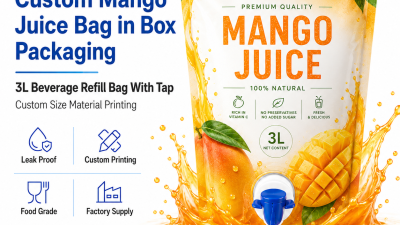
3L Mango Juice Bag-in-Box with Tap: Market Insights from Grand View Research & Mordor Intelligence Reports

The 3L mango juice bag-in-box with tap reflects the growing demand for convenient, space-efficient, and sustainable liquid packaging. Market insights commonly highlighted in industry research point to rising interest in portion-controlled formats, extended shelf life, easier transportation, and reduced packaging waste across beverage applications. For mango juice producers, a bag-in-box solution can support foodservice, retail, catering, and household use while allowing consumers to dispense juice cleanly and conveniently through an integrated tap.

Made with food-grade materials, this leak-proof 3L pouch helps protect mango juice during storage and distribution. Its flexible inner bag can reduce the need for rigid plastic, while the outer box provides structure, stacking efficiency, and printable branding space. Custom options include pouch dimensions, barrier material, tap style, and high-quality printing to suit different filling lines and market requirements. Factory supply is available with BRC and ISO certifications for beverage liquid packaging, supporting consistent quality control and reliable production. The format is suitable for chilled juice, concentrates, and other non-carbonated beverages requiring secure, hygienic dispensing.

FAQS

: What should buyers confirm before choosing pouch printing?

: Confirm the film, barrier layer, sealant, and filling conditions. Each material affects ink adhesion, color, and sealing. The artwork comes later.

Which printing method suits large pouch orders?

Rotogravure suits very large, repeated orders with stable artwork. It produces sharp images and consistent solid colors. Cylinder preparation adds cost.

When is flexographic printing a practical choice?

Flexographic printing suits medium and long runs. It offers quick setup and efficient repeat production. Fine gradients may need careful plate calibration.

When does digital printing work best?

Digital printing suits short runs, multiple designs, and frequent artwork changes. It needs no plates or cylinders. Large orders may cost more per pouch.

How can buyers compare printing costs accurately?

Compare total costs, not only the quoted pouch price. Include cylinders, plates, setup fees, minimum quantities, proofs, and possible waste. Small orders can become expensive quickly.

How should pouch color and artwork be approved?

Request a physical drawdown proof and agreed color references. Check samples under the intended store or warehouse lighting. A screen image is not enough.

Why should buyers test sealed pouches?

Inspect filled and sealed pouches after rubbing, heat exposure, and transportation simulation. Sealing can distort registration near the top edge. A flat sample may hide problems.

What surface details can change printed appearance?

Glossy film can make dark colors look denser and reveal fingerprints. Matte film may soften contrast. Substrate changes matter.

Is there one universally best pouch printing method?

No method is always best. Volume, artwork stability, appearance, speed, and budget determine the choice. Trial runs remain valuable. I might approve too early.

Conclusion

This guide to Pouch Printing helps global buyers understand the main methods used to create attractive, functional packaging. It explains the differences between flexographic, gravure, digital, and rotogravure printing, focusing on image quality, color consistency, detail, customization, and design flexibility. Buyers will also learn how material selection, ink type, protective coatings, and surface finishes can influence pouch appearance, durability, product protection, and recyclability.

The article also outlines practical factors for comparing suppliers, including minimum order quantities, unit costs, setup charges, sampling procedures, and production timelines. It highlights the importance of reviewing color proofs, print registration, adhesion, seal strength, dimensions, and overall workmanship before approving large-scale production. In addition, buyers should assess supplier experience, communication, documentation, quality-control systems, and compliance with applicable packaging and environmental requirements. With a clear understanding of these criteria, companies can choose a suitable printing process and supplier for reliable, consistent, and market-ready pouches.

Elena

Elena

Elena is a dedicated marketing professional at Dongguan Huadi Packaging Products Co., Ltd., where she has been an integral part of the team since its establishment in 2003. With a deep understanding of the packaging industry, Elena excels in providing high-quality packaging solutions tailored to......
Previous Top Polythene Bags Suppliers for Global Buyers?