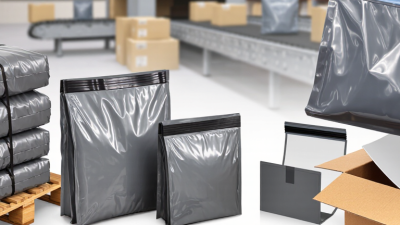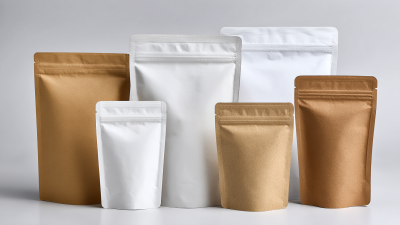
Choosing the best Postage Bags in 2026 isn’t just about comparing colors, prices, or how fast they ship. The right bag has to do a lot: protect the product, make packing smoother, and say something about where your company stands on sustainability. It also has to survive real warehouse life. And by that I mean wet loading docks, sharp package edges, cramped storage shelves, and people handling it over and over again.
Daniel Reed, packaging consultant and Technical Director at Mailer Packaging Group, puts it well: “The best postage bag is not the strongest one; it is the one matched precisely to the product.” That idea pretty much shapes this whole review. Lightweight poly mailers can be great for clothes, books, and other soft goods. Kraft paper bags give you a more natural look. Padded postage bags add cushioning for small items with delicate surfaces. Recycled-content options might lower material impact, but honestly, performance can vary from supplier to supplier.
The little stuff matters, too. A good adhesive strip should close cleanly—without folding into the seal. A practical tear strip makes opening less annoying. Clear size labels help you avoid wasted space and extra void fill. These sound like minor details. They’re not.
That said, no single material wins every time. Paper can boost brand perception but doesn’t handle moisture as well. Plastic may offer dependable weather protection, though it raises more sustainability questions. And some “eco” claims? Those deserve a closer look. This guide weighs protection, material efficiency, usability, recyclability, customization, and cost before naming the strongest Postage Bags for 2026. The conclusions are helpful, but not perfect. Packaging choices should still come down to your product type, shipping conditions, customer expectations, and verified supplier data.
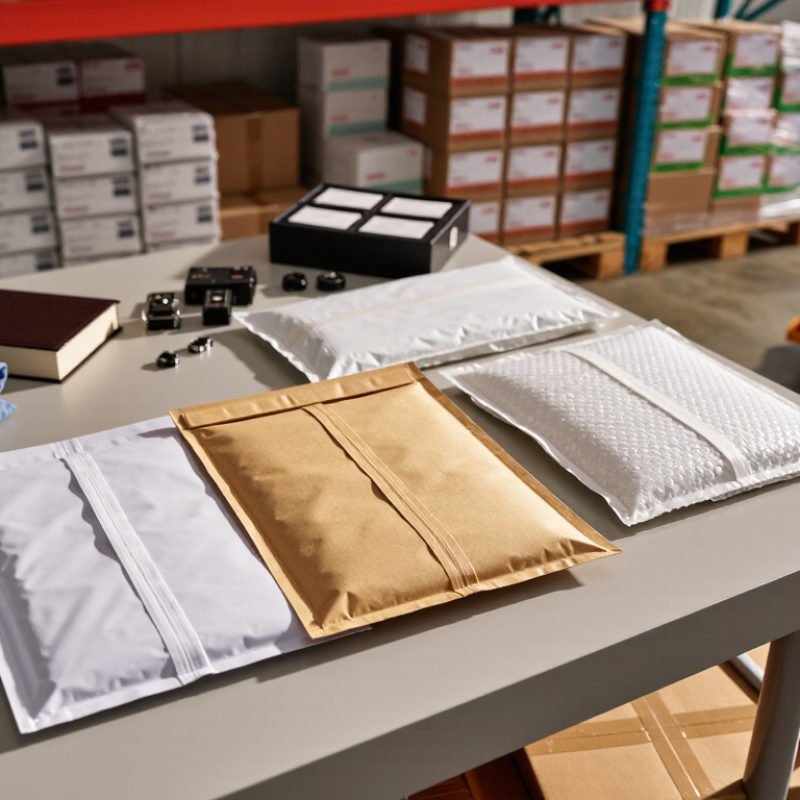
A postage bag suited to 2026 shipping needs must protect contents without creating unnecessary waste. In practice, choose the material according to the product, route, and handling conditions. Lightweight clothing may travel well in a flexible mailer, while books or sharp-edged items need stronger construction. A reliable bag should resist tears, moisture, and ordinary compression. Its closure should remain sealed after packing. Small details matter.
Clear sizing is equally important. A bag that is too large wastes material and lets contents slide during transport. One that is too tight can strain the seams and damage the closure. Look for consistent dimensions, strong seams, and a usable label area.
Tamper-evident features can show unwanted opening, although they cannot prevent every handling problem. Easy opening for the recipient also improves the experience. Packaging is part of service.
Sustainability requires more than a green-looking claim. Check whether the material is recyclable locally, contains recycled content, or supports reuse. These options are not interchangeable. Some recycled films perform poorly when overloaded. Warehouse testing can reveal this weakness. Fill the bag, seal it, stack it, and inspect it after movement. No single postage bag is perfect; selection still involves trade-offs between protection, cost, appearance, and disposal.
Poly mailers remain practical when balancing cost, weight, and weather resistance. A 2024 Pitney Bowes Parcel Shipping Index recorded 161.1 billion parcels worldwide in 2023. That scale makes small packaging savings commercially significant. A lightweight mailer can reduce dimensional weight charges, especially for clothing, books, and soft goods. It also folds tightly around products, unlike many rigid Postage Boxes.
Weather protection is another advantage. A quality polyethylene mailer resists rain, splashes, and short-term outdoor exposure. Its smooth surface also reduces friction across sorting equipment. However, poly mailers are not indestructible. A sharp corner can puncture thin film, while extreme cold may make it less flexible. The Sustainable Packaging Coalition notes that flexible packaging recovery remains limited in many regions. Therefore, material selection should consider local disposal systems, not appearance alone. I would not call poly mailers universally best.
Tips: Choose a thickness suited to the product, not merely the lowest price. Test filled samples with drop, seam, and puncture checks. Keep fragile items in protective inner packaging. Use a strong adhesive strip and press the seal firmly. A simple rain test helps. Record failures honestly, because one damaged parcel can erase many shipping savings. For heavier or rigid products, compare reinforced mailers with Postage Boxes before ordering large quantities.
What Are the 2026 Best Types of Postage Bags?
Paper-based postage bags are a strong choice when recyclability matters. They suit clothing, books, documents, and other dry, non-fragile products. Kraft paper mailing bags work well for flat items. Padded paper bags offer extra protection for small goods. They feel substantial in the hand, with a fibrous surface and a firm tear line. CEPI’s 2023 Monitoring Report recorded an 82% paper recycling rate in Europe for 2022. That figure supports paper’s recovery potential. However, it does not make every paper bag automatically sustainable.
Choose paper when your shipment can tolerate limited moisture resistance and moderate compression. Test the bag with realistic handling. Fill it fully, drag it across a rough floor, and check the seams. Small failures matter. Wet weather exposes weaknesses quickly. Paper bags may also require more material than thin plastic alternatives, depending on product weight and protection needs. The European Environment Agency reported that packaging generated 189 kilograms of waste per person in the EU in 2021. Reducing unnecessary packaging remains important, even with recyclable materials. Select the lightest paper structure that protects the item. Remove plastic windows, mixed laminates, and oversized labels where possible. A paper-based postage bag is most credible when its design, use, and disposal route match actual conditions. Perfect choices are rare. Better testing usually beats confident assumptions.
Sources: Confederation of European Paper Industries, 2023 Monitoring Report; European Environment Agency, Packaging Waste Statistics.
When sustainability is a priority, paper-based postage bags are a strong choice for dry, lightweight shipments because paper and cardboard packaging achieve substantially higher recycling rates than plastic packaging in the EU. Choose durable paper bags for products that do not require moisture protection; choose plastic mailers when water resistance and tear resistance are essential.
EU-27 packaging waste recycling rates by material, 2022. Source: Eurostat, Packaging Waste Statistics.
Padded mailers remain a practical choice for sending small, breakable items in 2026. Their inner cushioning absorbs shocks from sorting machines, vehicle movement, and accidental drops. A rigid outer layer also helps reduce bending and crushing. For ceramics, cosmetics, small electronics, and glass accessories, this combination offers useful protection without excessive package weight. Packaging specialists usually recommend matching the mailer size closely to the item. Too much empty space allows movement.
In my packing experience, a snug padded mailer performs better than a loose envelope with random filler. I once shipped a small ceramic piece with insufficient cushioning. The item arrived with a thin crack along its edge. The mailer looked intact, but the internal movement caused the damage. That mistake changed how I pack fragile orders. I now wrap the item separately, seal sharp edges, and test for movement before posting.
Different padded mailers suit different needs. Bubble-lined bags provide flexible cushioning and resist light moisture. Paper-padded versions feel more recyclable, but their protection can vary after compression. Foam-lined bags work well for delicate surfaces and lightweight electronics. Bags On Bags may sound convenient, yet adding layers does not always improve safety. Extra packaging can create shifting spaces and increase costs. A careful fit matters more than a thicker appearance. Before dispatch, gently shake the sealed mailer. If you hear movement, the package needs another adjustment.
In daily shipping, reusable and compostable mailers behave very differently. Reusable mailers usually have thicker seams, stronger closures, and better resistance to repeated handling. A customer can fold one, store it, and use it again. That sounds simple. It is not always simple.
A reusable bag works best when return logistics are clear. Without an easy return process, it may become household waste. Cleaning also matters, especially after exposure to dust or moisture. In a small packing operation, we noticed that reused bags sometimes arrived creased, stained, or difficult to reseal. Durable does not mean indestructible. The extra material can also increase shipping weight.
Compostable mailers are lighter and convenient for single-use orders. They often feel smooth, seal quickly, and reduce the need for return shipping. However, their performance depends on storage conditions and composting access. Heat, humidity, and long warehouse storage can affect the adhesive or film. Many compostable materials need controlled composting facilities, not ordinary home bins. Clear disposal instructions are essential. Bags And Bags buyers should check accepted materials before choosing them. I would not call either option perfect. The better choice depends on product weight, delivery distance, customer habits, and local waste services.
The best postage bag depends on the product, not just the shipping price. For clothing, lightweight poly mailers reduce bulk and protect against rain. Their flexible surface also fits folded shirts without leaving much empty space. For books or flat accessories, rigid mailers help prevent bent corners. Choose a snug size. Extra space can increase movement and damage.
Fragile items need more than a thin outer layer. Padded postage bags with bubble or paper cushioning reduce scratches and minor impact. For cosmetics, small electronics, or polished surfaces, a soft interior prevents scuffing. However, padding cannot replace a strong carton for heavy or sharp-edged products. Test the packed item from several angles. Real handling is rougher than a packing table.
Home Bags can suit light household products, such as linens, organizers, or small fabric goods. Look for a reliable self-seal strip, tear-resistant film, and clear address space. Tamper-evident features may discourage casual opening, but they are not perfect security.
I once found that an oversized bag caused a ceramic item to slide during testing. A smaller bag performed better, even with less cushioning. That result was easy to overlook.
For wet-weather routes, use water-resistant materials and seal every exposed opening. For heavier parcels, check seam strength before regular shipping. A short trial can reveal weak corners, loose adhesive, or confusing labels.
Their low weight can reduce shipping charges for clothing, books, and other soft goods. They also fold tightly around products. Less empty space helps.
Quality polyethylene film resists rain, splashes, and brief outdoor exposure. It is not fully waterproof in every situation. Seams and openings still need attention.
Sharp corners may puncture thin film. Extreme cold can reduce flexibility. Rough handling may also weaken seams. Test filled samples before large orders.
Fill it with the real product. Drop it, drag it across a rough floor, and inspect the seams. Try a simple rain test. Record failures honestly.
Choose them for dry, non-fragile items such as books, documents, and clothing. They suit disposal systems with strong paper recovery. Local conditions matter.
No. Paper bags offer limited moisture resistance and moderate compression protection. Wet weather can expose weak seams quickly. A dry route is safer.
Not automatically. Oversized bags, extra layers, and mixed materials can increase waste. Use the lightest structure that protects the item. Perfect choices are rare.
Fragile items need protective inner packaging. Heavy or rigid products may need reinforced mailers or rigid boxes. Compare real handling results before ordering in bulk.
Choosing the right Postage Bags in 2026 means balancing protection, cost, sustainability, and everyday practicality. Poly mailers remain a lightweight and economical option for clothing, documents, and other non-fragile products because they resist rain and help reduce shipping weight. Paper-based postage bags are suitable for businesses seeking a more natural packaging appearance and easier recycling, while padded mailers add cushioning for small fragile items that may face impacts during transit.
Reusable and compostable mailers offer different advantages: reusable designs can support repeat shipping and reduce packaging waste, while compostable options may suit customers prioritizing lower environmental impact when disposal conditions are appropriate. The best choice depends on the product’s size, weight, sensitivity, and exposure to moisture or compression. Features such as tear resistance, secure closures, internal padding, writable surfaces, and tamper awareness can help match each bag to its shipping risks, creating a reliable balance between product safety and responsible packaging.