As the beverage world keeps evolving, it’s no surprise that there’s a growing demand for better, more practical ways to carry drinks around. You’ve probably heard the term 'Beverage Bag' tossed around a lot lately — and honestly, it’s pretty much become a buy-whenever-you-need convenience and something durable that can handle the job. Today, people all over the globe are exploring different options to find what fits their needs best. And with each passing year, it seems like there are new trends and innovative designs popping up, giving us a pretty wide array of choices in the market.
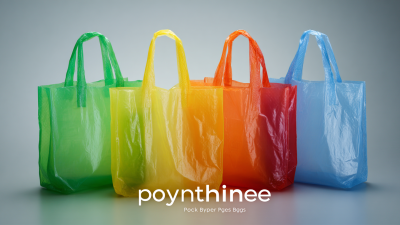
Honestly, picking the right Beverage Bag can feel a bit overwhelming. You've got brands like EcoPack and DrinkMate offering all kinds of products, each with their own unique features. For example, the Plastic Beverage Bag is super popular because it’s lightweight and budget-friendly. But here’s the thing — some folks might overlook the environmental impact, and in today’s world, that’s kinda risky. More and more consumers are really paying attention to sustainability and eco-friendliness. So, when you’re choosing a Beverage Bag, it’s worth thinking about that stuff.
Of course, quality and practicality should go hand in hand. A good supplier will give you all the info you need about their products—things like what materials they’re made of, how easy they are to use, and how reputable the brand is. With so many options out there, it can definitely feel a bit confusing or even stressful to decide. Take your time, weigh the pros and cons, and make sure you’re comfortable with your choice — because finding the perfect bag is just a part of the bigger journey in this booming beverage packaging scene.
Overview of Beverage Bag Types and Their Uses
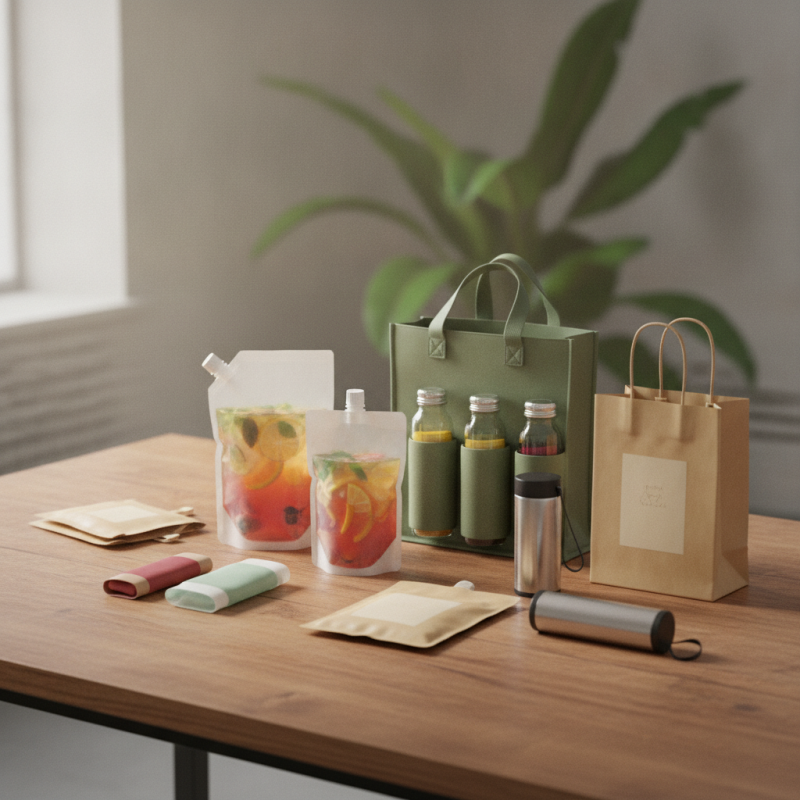
Beverage bags have gained popularity due to their versatility and effectiveness. They come in various types, each suited for specific beverages and applications. One common type is the
Food Grade Liquid Beverage BIB Bag.
These bags are designed for liquids, ensuring safety and quality.
The global beverage bag market is expanding. Research indicates a projected growth rate of 5.6% annually through 2026. This surge reflects a rising demand for convenient packaging solutions. Beverage bags are often made from materials that enhance shelf life. Innovations in technology help maintain product integrity, appealing to both consumers and manufacturers.
Different beverage bags serve unique functions. For instance, some are ideal for carbonated drinks, while others cater to juices or dairy. However, not all products meet the same standards. This inconsistency raises concerns about product quality. It’s essential for buyers to evaluate the specifications of each bag type. Consumers deserve reliable packaging that ensures freshness and safety.
Trends in Beverage Bag Design for 2026
In 2026, beverage bag design is evolving. One noticeable trend is sustainability. Eco-friendly materials are now a priority. Biodegradable and recyclable options are gaining traction. This shift reflects consumer demand for responsible packaging. Brands are adapting quickly, yet many struggle to maintain quality while achieving sustainability.
Another emerging trend is customization. Personalization appeals to consumers who seek unique designs. Brands are exploring ways to allow buyers to personalize their bags. Simple changes can create a strong connection between consumers and products. However, achieving this versatility can complicate production processes.
Functionality remains critical. Bags need to protect and efficiently store beverages. Many designs are incorporating innovative features, like built-in cooling systems. Yet, some designs fail to consider user experience. Balancing aesthetics and usability remains a challenge for designers. As trends unfold, the industry must reflect on its practices to improve the overall beverage bag experience.
Key Materials Used in Beverage Bags
Beverage Bags are essential for transporting liquids safely. The choice of materials used plays a significant role in their durability and functionality. According to a recent industry report, demand for eco-friendly materials in beverage bags has surged, with over 40% of consumers preferring sustainable options. Common materials include polyethylene, polypropylene, and biodegradable polymers. Each material offers distinct benefits. Polyethylene is widely used due to its resilience, while biodegradable options appeal to environmentally conscious buyers.
When selecting beverage bags, consider the intended use. Heavy-duty options may be necessary for industrial applications, while lightweight bags suit casual use. The thickness of the material affects the bag's strength and flexibility. A study showed that thicker bags reduce leaks but may be less comfortable for hand transport. Finding a balance is crucial.
Tips: Always check the weight capacity of beverage bags. For special events, consider using insulated bags to maintain temperature. Test a few samples to assess practicality before making larger purchases. It's better to invest in quality bags than settle for cheaper options that may fail. Understanding the essential materials enhances your ability to choose the right beverage bags for various needs.
Sustainability Considerations in Beverage Bag Production
Sustainability in beverage bag production is critical as global awareness grows. A recent report by the World Economic Forum indicates that over 300 million tons of plastic are produced annually, much of which ends up in landfills. The beverage industry contributes significantly to this issue. However, innovative solutions are emerging.
The use of biodegradable materials in beverage bags offers promising alternatives. Research shows that biodegradable bags can reduce plastic waste by up to 50%. Yet, challenges remain. Not all biodegradable options decompose effectively in real-world environments. This gap requires careful consideration from manufacturers and consumers alike.
Furthermore, the energy used in producing these bags must be evaluated. A study revealed that some biodegradable materials consume nearly three times the energy of traditional plastics during production. This complexity prompts questions about the true sustainability of new materials. Addressing these challenges is vital for future improvements in beverage packaging.
Target Markets for Beverage Bags Globally
The global demand for beverage bags is on the rise. According to a recent market report, Beverage Packaging is expected to grow significantly. A projected CAGR (compound annual growth rate) of around 5.3% from 2023 to 2028 indicates strong interest. Emerging markets in Asia-Pacific and Latin America are particularly noteworthy. These regions show a growing preference for sustainable packaging solutions.
Consumer preferences are shifting. Many buyers now seek eco-friendly options. About 70% of consumers in these markets express a desire for biodegradable materials. This trend reflects a greater awareness of environmental issues. Consequently, manufacturers are urged to adapt. The need for innovative designs that minimize environmental impact is pressing. The challenge lies in balancing aesthetics and sustainability in beverage packaging.
North America remains a key player in this sector. Brands often prioritize functionality over sustainability, creating a divide in market trends. Data reveals that 40% of buyers in this region prefer convenience packaging. This preference impacts the design and marketing strategies of beverage packaging. The competition is fierce. However, addressing the desire for sustainable options alongside convenience can open new opportunities for growth.
Global Beverage Bag Market Demand by Region in 2026
Comparative Analysis of Pricing for Beverage Bags
When considering beverage bags for global buyers, pricing stands out as a critical factor. Variations in material and design can lead to considerable price differences. For example, some manufacturers offer basic options with limited durability. Others provide more robust designs at a higher cost. Customers often must balance quality with budget constraints, especially when purchasing in bulk.
A comparative analysis reveals that Plastic Beverage Pouches are becoming increasingly popular due to their affordability and versatility. These pouches tend to be lighter and less expensive than their rigid counterparts. However, the market is saturated, and not all options provide the same value. Some cheaper pouches may compromise on safety or leak resistance. Buyers should thoroughly research and assess product reviews before making decisions.
Pricing isn't solely about the cost of production. Additional factors, such as shipping and storage, can influence the final price. Bulk orders might lower the per-unit cost, but this isn't always a guarantee of quality. It's essential for buyers to think critically about long-term value versus initial expenses. Not every low-priced option is the best choice in the long run.
Innovative Features to Look for in 2026 Beverage Bags
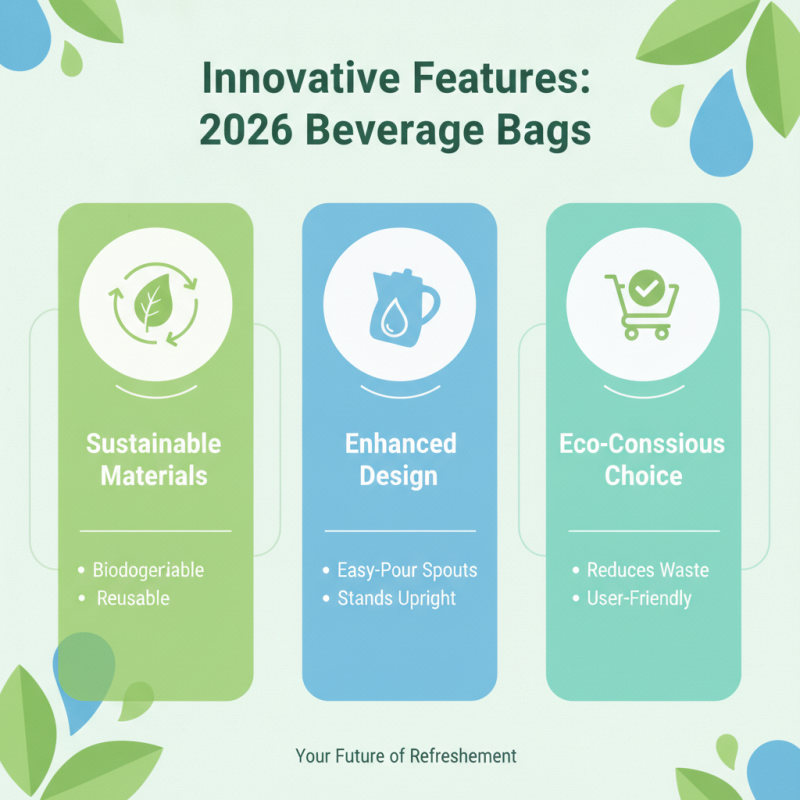
In 2026, beverage bags are evolving to meet the needs of eco-conscious buyers. Look for options made from sustainable materials. These bags should be biodegradable or reusable to reduce waste. Innovative designs, such as easy-pour spouts, improve user experience. A bag that stands upright offers convenience while serving drinks.
Consider functionality as well. Insulation features are essential for maintaining beverage temperatures. A bag that can keep drinks cold for hours is highly desirable. Space-saving designs are also important. Compact bags, when empty, can fold easily for storage. Many consumers may overlook the importance of easy cleaning, which enhances bag longevity.
Another trend is personalized designs. Buyers might appreciate the ability to customize colors or patterns. This adds a personal touch, making the bag more appealing. However, striking a balance between aesthetics and durability is crucial. Crafting a beautiful yet sturdy bag can be a challenging endeavor. Reflecting on these elements can guide buyers toward making informed choices.
Innovative Packaging Solutions: Exploring the Advantages of Huadi Custom 3L & 4L Bag-in-Box Super Pouch for Drinking Water
In the ever-evolving landscape of packaging solutions, the Huadi Custom 3L & 4L Bag-in-Box valve bags for drinking water stand out due to their innovative design and functionality. These custom-engineered valve bags not only streamline the pouring process but also significantly minimize waste, addressing both consumer convenience and environmental concerns. According to industry reports, the global market for flexible packaging is projected to reach $300 billion by 2024, highlighting the growing demand for versatile and efficient packaging solutions like the Bag-in-Box format.
The benefits of Huadi's Bag-in-Box packaging extend beyond just user convenience. With an extended shelf life, these innovative bags help preserve the quality and freshness of drinking water, ensuring that consumers receive a product that meets high standards of safety and taste. This is particularly crucial in the context of environmentally conscious consumers who prioritize sustainable practices. Lightweight and space-saving designs not only contribute to lower shipping costs—estimated to decrease transportation expenses by 20%—but also optimize storage efficiency, making them an ideal choice for both commercial distributors and private users during events or outdoor activities.
In today’s market, where consumers increasingly seek products that align with green initiatives, adopting modern packaging solutions can significantly enhance brand visibility and consumer loyalty. The Huadi Bag-in-Box valve bags offer a compelling combination of practicality and sustainability, making them a smart investment for businesses looking to elevate their offerings while addressing the modern consumer's preferences. As the packaging industry continues to innovate, solutions like these reflect a shift towards more eco-friendly, cost-effective, and user-oriented options that benefit both brands and their customers alike.
FAQS
: Beverage bags are often made from materials that enhance shelf life. Some use biodegradable options.
Different bags suit various beverages. Some work well for carbonated drinks, others for juices or dairy.
The market is expected to grow at a rate of 5.6% annually until 2026.
Sustainability is critical due to the large amount of plastic waste generated worldwide.
Not all biodegradable bags decompose effectively. This inconsistency raises concerns for manufacturers and consumers.
Some biodegradable materials use nearly three times as much energy to produce as traditional plastics.
Many consumers seek eco-friendly options. About 70% prefer biodegradable materials due to environmental concerns.
There is a growing desire for sustainable packaging solutions among consumers, especially in emerging markets.
North American buyers often prioritize convenience over sustainability, leading to a gap in market trends.
The challenge is to balance aesthetics and sustainability while meeting consumer demands.
Conclusion
The article "2026 Best Beverage Bag Options for Global Buyers" provides a comprehensive overview of the various types of beverage bags and their specific applications. It highlights the emerging trends in beverage bag design, focusing on aesthetics and functionality for the year 2026. The discussion extends to key materials commonly used in beverage bags, emphasizing the importance of sustainability in production practices as consumers increasingly favor eco-friendly options.
Additionally, the article identifies target markets for beverage bags across the globe, considering the different consumer needs and preferences. A comparative analysis of pricing offers valuable insights into market positioning, while innovative features are showcased to help buyers discern high-quality options in the evolving landscape of beverage bags. Overall, the guide serves as an essential resource for global buyers looking to make informed choices in the beverage bag market.